
Our Blog
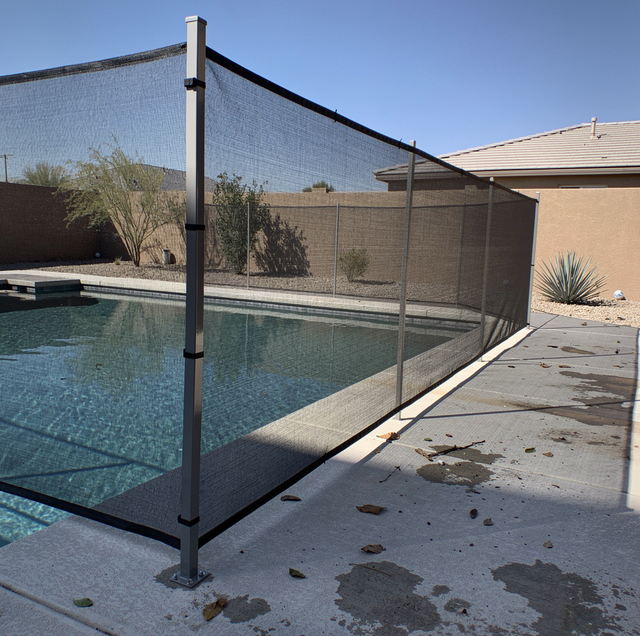
Mesh vs. Iron Pool Fence: Which Is Safer for Kids?
A rolled-up mesh pool fence, poles spaced a few feet apart with a see-through weave stretched between them, looks like it wouldn't stop a determined four-year-old for long.
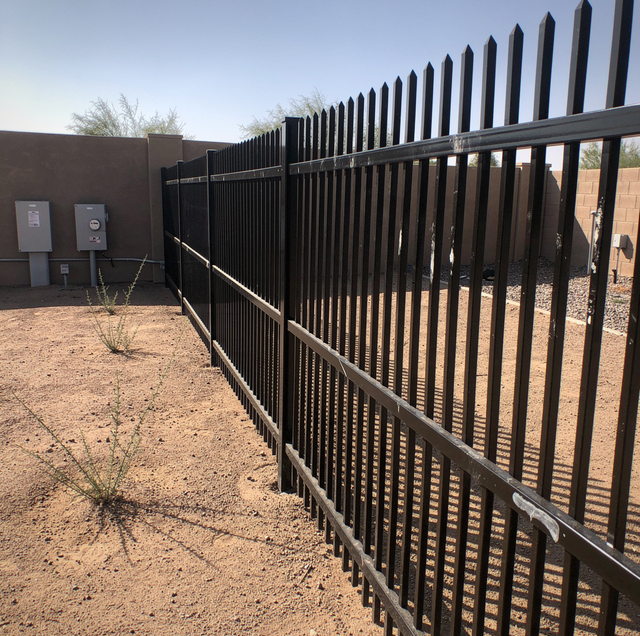
Aluminum vs. Steel for a Commercial Security Fence
Aluminum and steel resist a bolt cutter differently, corrode differently, and ask for different footings once they're in the ground, and no single one of those differences settles the question on its own.
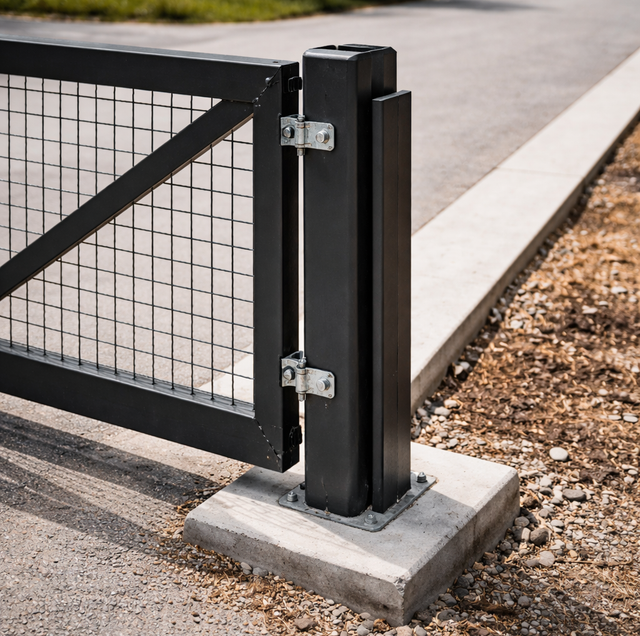
Driveway Gate Sagging or Dragging? 6 Real Causes
A driveway gate is one of the heaviest moving things on a residential property. A steel or wrought-iron swing leaf can run well over a hundred pounds, and every ounce of that weight hangs off two hinge points and one post.
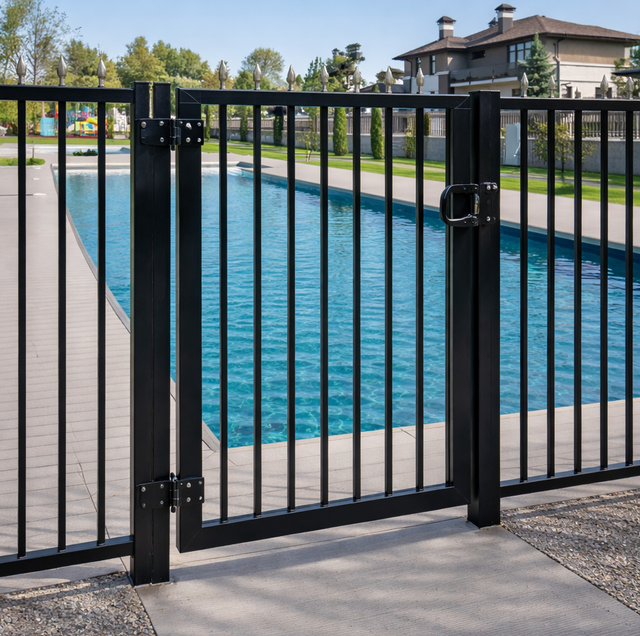
Self-Latching Pool Gate: The One Job It Cannot Miss
A pool gate has one duty that never takes a day off: it must return to closed and stay closed on its own, without a person remembering to push it.
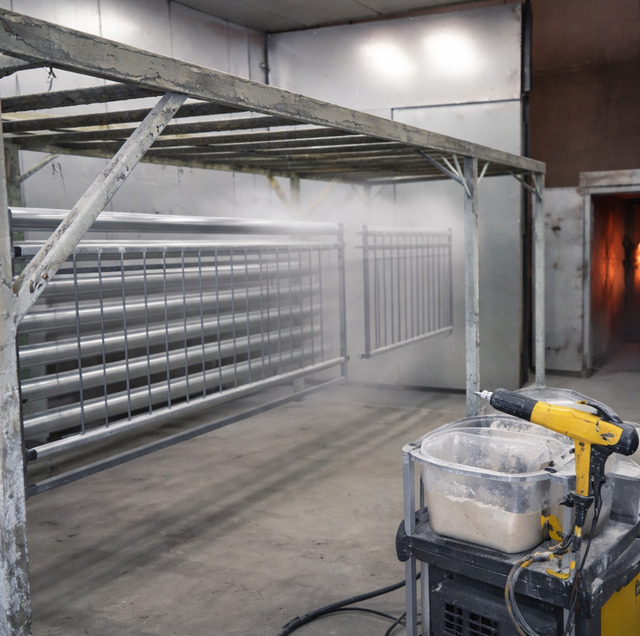
Powder Coating a Metal Fence: Why the Finish Lasts
A steel fence looks great the day it goes up and rough two summers later, with chalky paint, orange streaks at the welds, and flaking along the bottom rail.
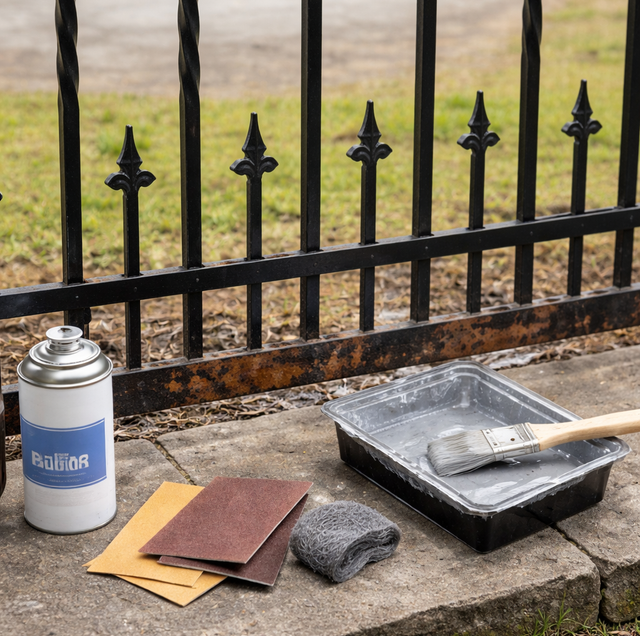
Wrought Iron Fence Maintenance: Stop Rust Before It Spreads
Iron does not rust because it is old. It rusts because moisture and oxygen reach bare metal and start a slow chemical reaction.
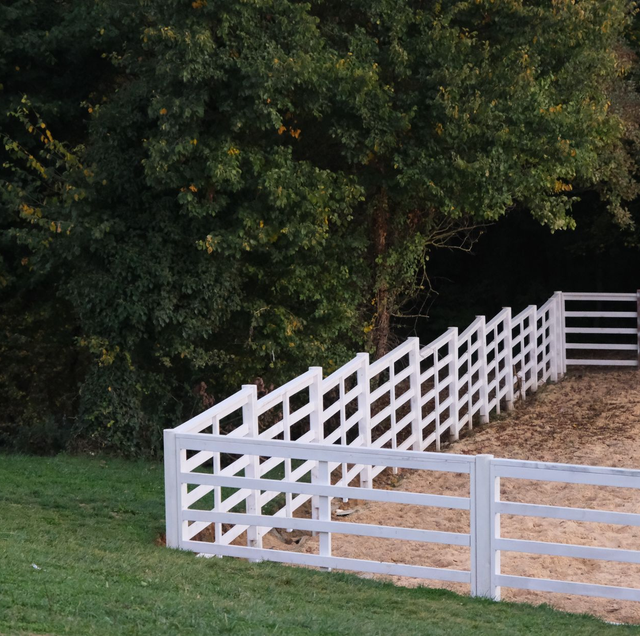
How Long Does a Fence Last? Lifespan by Material
Ask two neighbors how long a fence lasts, and you will get two very different numbers, because they probably do not have the same fence.
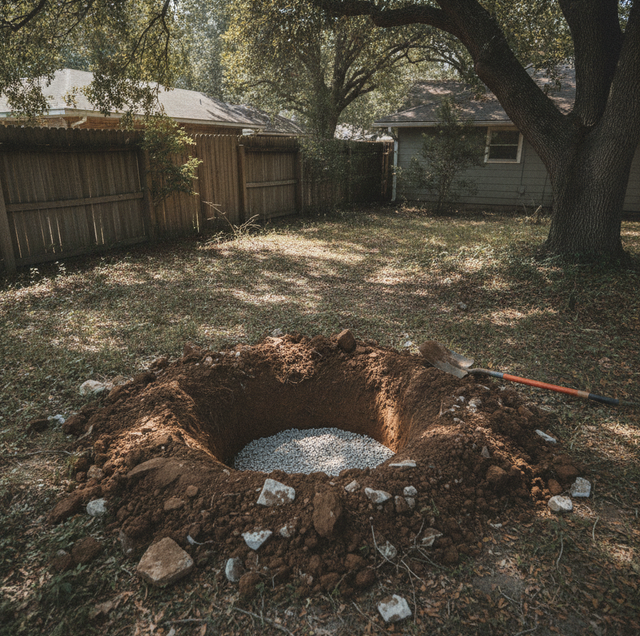
How Deep Should Fence Posts Be Set? The One-Third Rule
A fence is only as steady as the posts holding it up. Everything else, the pickets, the panels, the rails, the gate hardware, hangs off those buried verticals. When a fence starts to lean a season after it went in, or a gate begins to sag and scrape the ground, or a whole run tips over in a strong gust, the panels are almost never the reason. The posts were set too shallow, or too loosely, to do their job.