
Our Blog
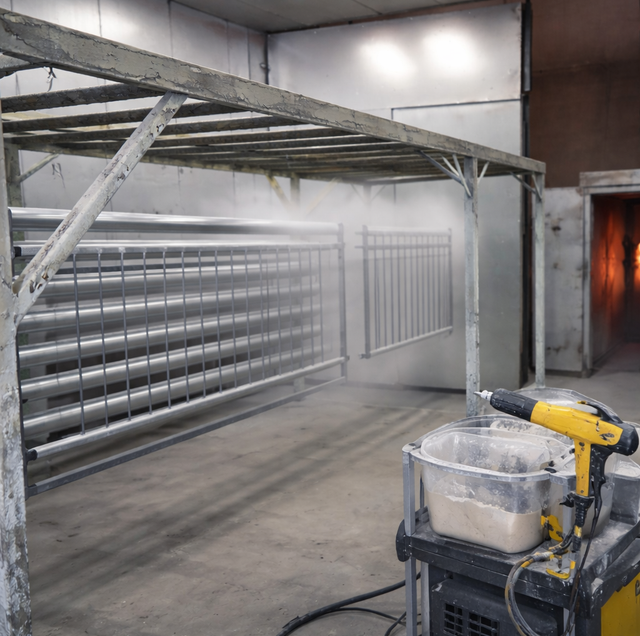
Powder Coating a Metal Fence: Why the Finish Lasts
A steel fence looks great the day it goes up and rough two summers later, with chalky paint, orange streaks at the welds, and flaking along the bottom rail.
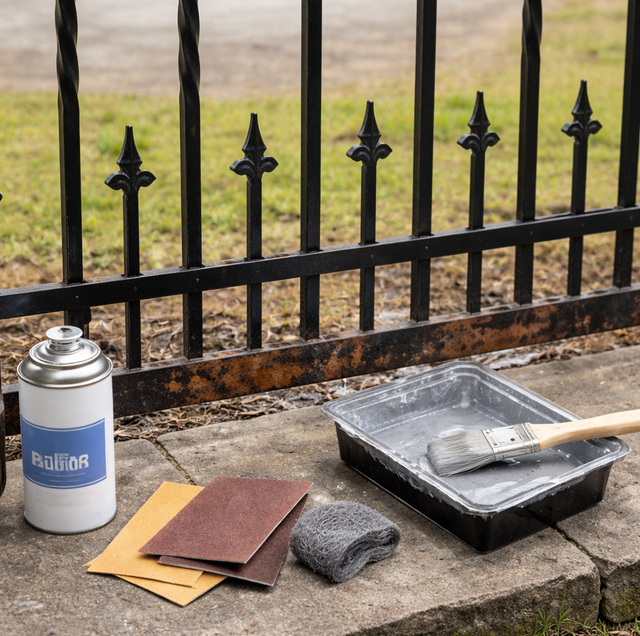
Wrought Iron Fence Maintenance: Stop Rust Before It Spreads
Iron does not rust because it is old. It rusts because moisture and oxygen reach bare metal and start a slow chemical reaction.
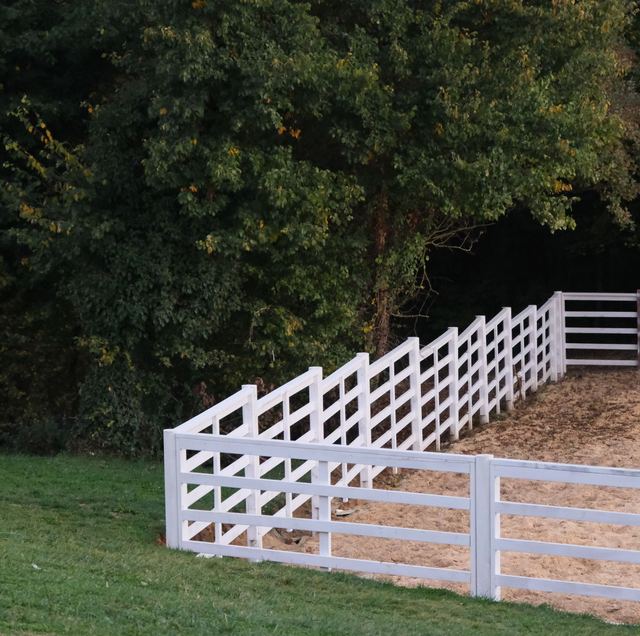
How Long Does a Fence Last? Lifespan by Material
Ask two neighbors how long a fence lasts, and you will get two very different numbers, because they probably do not have the same fence.
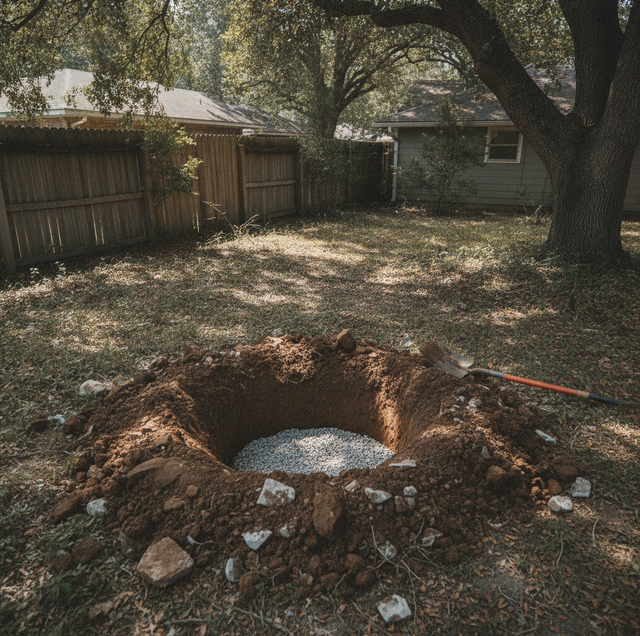
How Deep Should Fence Posts Be Set? The One-Third Rule
A fence is only as steady as the posts holding it up. Everything else, the pickets, the panels, the rails, the gate hardware, hangs off those buried verticals. When a fence starts to lean a season after it went in, or a gate begins to sag and scrape the ground, or a whole run tips over in a strong gust, the panels are almost never the reason. The posts were set too shallow, or too loosely, to do their job.
Is Your Leaning Fence a Footing Problem? How to Tell
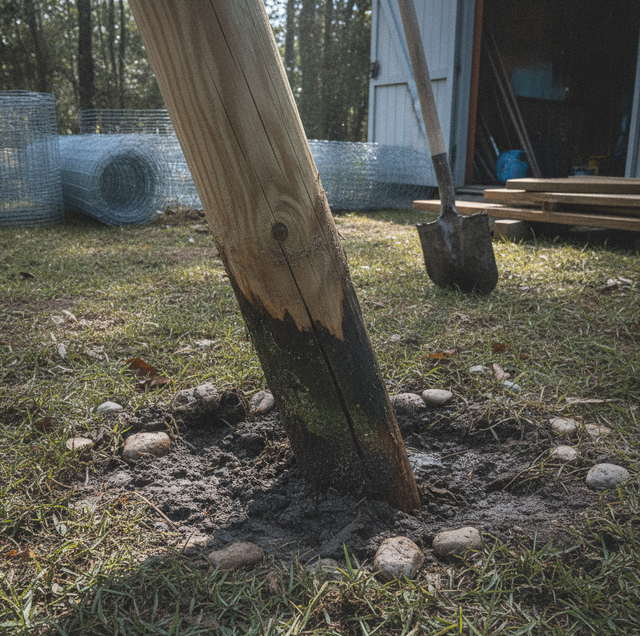
A fence that has started to tilt is easy to spot and hard to ignore. What is less obvious is where the problem actually lives. Most people look at the panels or the wrought iron because that is the part that has moved, but the panels are rarely the reason a fence goes crooked. The lean almost always starts at the post, down in the ground, where the footing is supposed to hold everything upright.
Block Wall vs Wood Fence: Which Wins on Privacy?
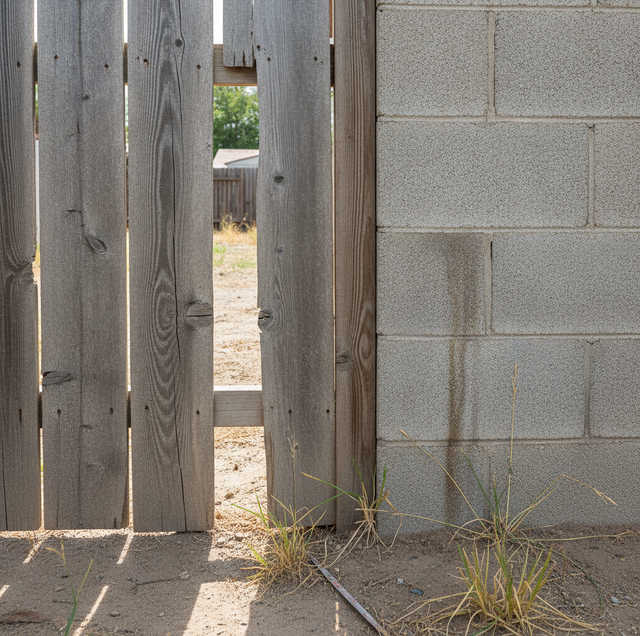
You step into the backyard with a cup of coffee and hear the neighbor's dog, a car door two houses down, and the low churn of a pool pump you can see straight over the top of. The yard is open in a way you didn't sign up for. The fix is a privacy barrier, and in a hot, dry climate, that decision almost always comes down to two materials: a poured-footing masonry block wall or a wood fence. They both make a yard private on day one. Where they part ways is everything that happens after day one, which is the part worth thinking through before anything gets built.
Signs Your Wood Fence Posts Are Failing After Monsoon Season
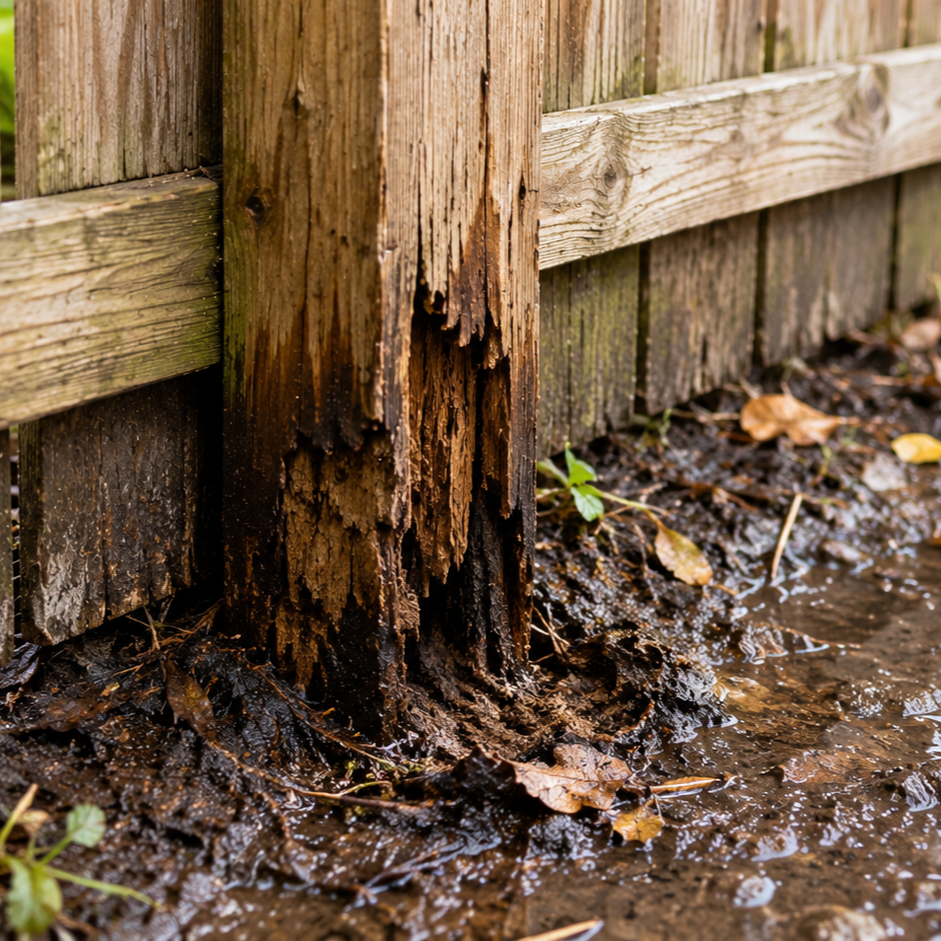
Monsoon season is hard on a wood fence, and the part that takes the worst of it is usually out of sight: the posts, where the wood meets the ground. Heavy rain saturates the soil around the post bases, and that moisture is exactly what causes wood to rot and posts to fail. After the storms pass, it's worth checking your posts, because they're the foundation holding the whole fence up.
Why Your Fence Posts Loosen in Caliche Soil
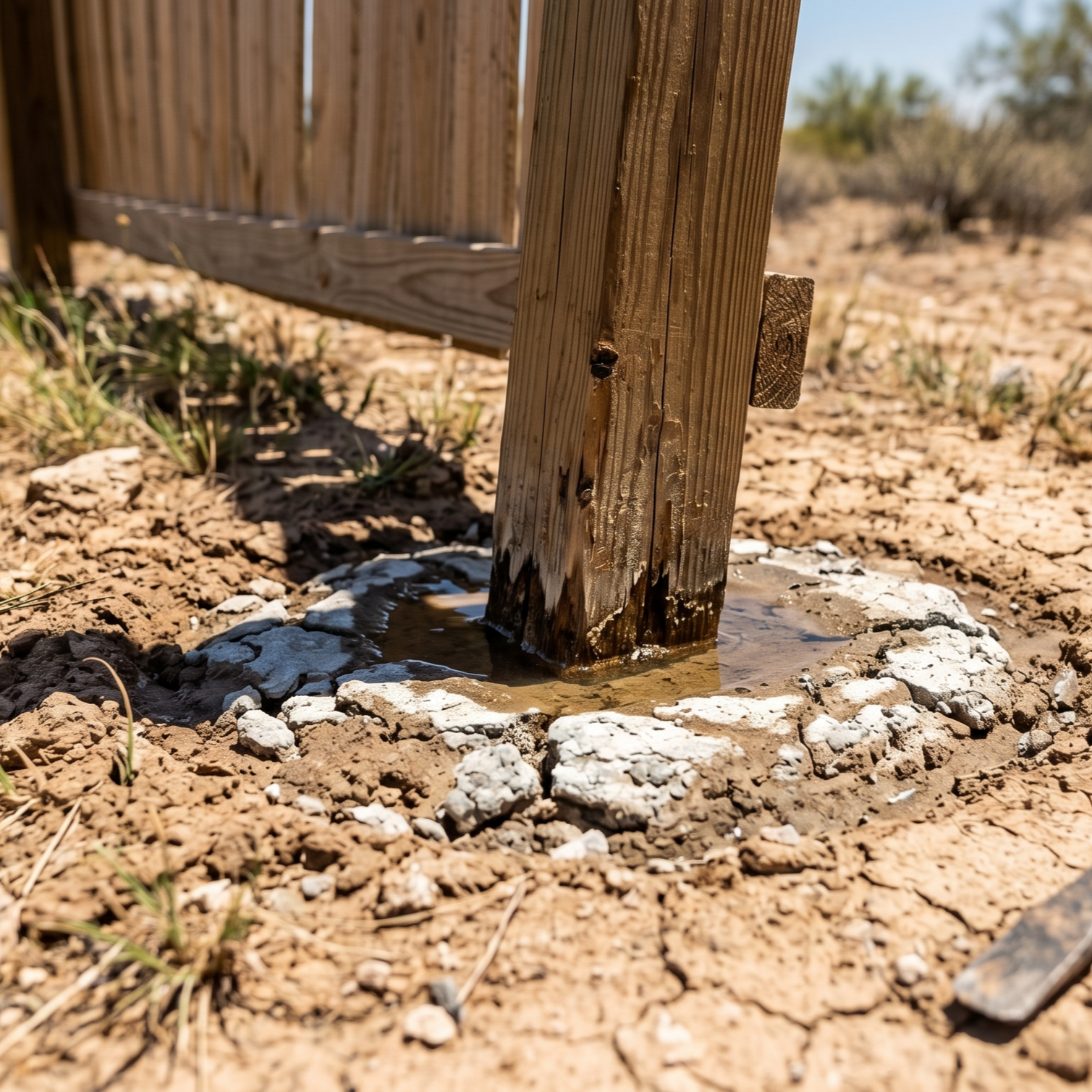
You lean on the gate and feel it give. The post wobbles in the ground, the panel sags, and you know it wasn't like that a couple of summers ago. In most of the country, a loose fence post means rot or frost. Here in the Valley, the usual villain is the ground itself — a layer of caliche under your yard that handles water in exactly the wrong way for a fence. Understanding what it does explains both why posts fail and how to set one that won't.