
Wrought Iron Fence Maintenance: Stop Rust Before It Spreads
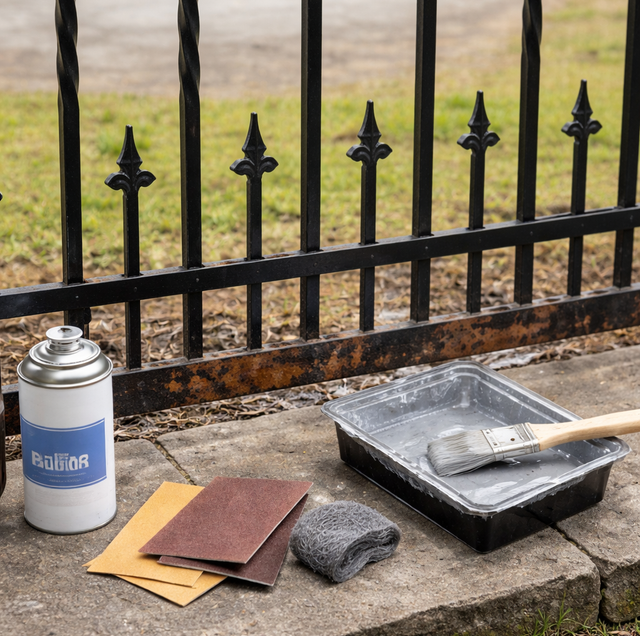
Quick Answer: To maintain a wrought iron fence and prevent rust, rinse and wash it a few times a year, inspect welds, joints, and the base for chips or orange spots, and treat any surface rust right away by sanding to bare metal, priming with a rust-inhibiting primer, and touching up with matching paint. Keep sprinklers and plants off the fence, and have heavy rust or a wobbly gate assessed by a pro before it fails.
Iron does not rust because it is old. It rusts because moisture and oxygen reach bare metal and start a slow chemical reaction. The paint or powder coating on your fence is a barrier that keeps those two things away from the steel underneath. Keep that barrier intact, catch the first orange freckles early, and a wrought iron fence stays sound for decades. Ignore a chipped spot for a couple of seasons and the same fence can flake, weaken at a joint, and eventually need a section rebuilt.
Maintenance, then, is not complicated. It comes down to two habits: keep the finish sealed, and inspect often enough to treat rust while it is still a surface stain rather than a hole. The routine below walks through both.
Why Iron Rusts and What the Finish Actually Does
Rust is iron oxide. When bare steel sits in contact with water and air, iron gives up electrons to oxygen, and the metal slowly converts to a flaky reddish-brown compound that takes up more space than the original steel. That expansion is why rust lifts paint from the edges and why a rusted joint can bulge or split. Left alone, the reaction keeps working inward until it eats through the metal.
A fence finish stops this by sealing the steel off from moisture. Painted iron carries a primer coat plus a topcoat. Powder-coated iron is coated with a dry pigment that is oven-cured into a hard, continuous shell. Either way, the protection lasts only as long as the coating stays unbroken. A scratch from a trimmer, a chip where the gate swings into the post, or a hairline crack at a weld gives water a door. Once water is behind the finish, rust spreads underneath the coating where you cannot see it, which is why an intact-looking fence can hide a soft spot.
Two forces work against that coating year-round, not just in one season. Sun and ultraviolet light slowly break down pigment and binder, dulling and chalking the surface until it thins. Moisture from rain, sprinkler overspray, morning dew, or humidity supplies the water side of the reaction. One fades and weakens the shell; the other exploits any gap. Because both are always in play, an evergreen habit beats a once-a-year scramble.
Regular Cleaning Keeps the Barrier Working
Dirt, pollen, and mineral residue are not just cosmetic. They hold moisture against the metal and give it more time to find a weak point in the coating. A clean fence dries faster and shows you a chip the day it appears.
Rinse first: Hose the fence down to knock off loose dirt, pollen, cobwebs, and the whitish mineral film that dried sprinkler spray leaves behind. Aim water down and outward so you are not driving grit into seams.
Wash with mild soap: A bucket of warm water with a few drops of dish soap and a soft cloth or sponge handles the rest. Work along the top rail, the pickets, and the joints, then rinse clean and let it dry. Skip harsh acidic or abrasive cleaners; they can strip or dull the finish and leave it thinner than before.
Two or three washes across the year is enough for most fences, with a quick rinse anytime you notice heavy pollen or a chalky sprinkler crust building up.
Inspecting for the Trouble Spots
Cleaning and inspecting go together, because your hands and eyes are already on the fence. Look for chips, scratches, bubbling paint, and any orange staining. Pay closest attention to three places rust likes to start.
Welds and joints: Where two pieces of metal meet, the coating is thinnest, and the geometry traps water. Run a finger along each weld and connection and look for freckling or a rough, gritty texture under the paint.
Where the fence meets the ground: The base of each post and the bottom rail sit closest to splashing water, wet soil, and mulch. Rust very often starts here first and works upward, so crouch down and check the lowest few inches carefully.
Moving contact points: On a gate, the hinges, the latch, and any place the gate brushes the post wear the coating through with use. These spots need touch-ups more often than a static run of fence.
A slow, deliberate walk of the whole fence a few times a year catches almost everything while it is still fixable with a brush rather than a grinder.
Treating Surface Rust Early
Catching rust as a surface stain is the whole game, because surface rust is a small job and deep rust is not. The moment you find an orange spot, treat it.
Sand or wire-brush to bare metal. Remove the rust and the loose, flaking paint around it down to clean, silver-gray steel. A wire brush, sandpaper, or a wire wheel on a drill all work. Feather the edges of the surrounding good paint so your touch-up blends instead of leaving a ridge.
Sanding and grinding rust and old paint throws off fine dust. Wear eye protection and a respirator (not just a dust mask), and work outdoors. On a very old fence, treat the possibility that old coatings contain lead as real: test before you sand, and if a test is positive, follow lead-safe handling rather than grinding it dry.
Prime with a rust-inhibiting primer. Once the spot is clean and dry, brush on a primer made to stop rust. These primers either seal the steel or chemically convert any trace of remaining oxide so it stops spreading. Primers and their solvents are flammable and give off fumes, so keep them away from ignition sources and use them in open air.
Touch up with matching paint. After the primer cures, cover it with a topcoat that matches the fence. Two thin coats beat one thick one; thin coats bond better and are less likely to sag or trap solvent. Matching the sheen and color keeps the repair from standing out.
Treating a coin-sized rust spot this way is the difference between a ten-minute fix and a fabrication job later.
When Rust Has Gone Deeper
Not every spot is surface-level. If sanding reveals pitting, if the metal feels thin or crunches, or if you can see daylight or a hole, the rust has been working for a while, and a simple touch-up will not hold.
Deeper rust needs the same clean-prime-paint sequence but with more removal, sometimes down through pitted metal, and occasionally a filler rated for metal repair to rebuild a surface before priming. The judgment call is whether enough sound steel remains. A picket with a rusted-through spot is cosmetic. A post or a load-bearing rail that has lost real thickness is structural, and patching over it only hides the weakness.
A rusted fence that flexes when you push it, or a gate that has gone loose at a hinge or a joint, should be assessed rather than painted over. A heavy driveway gate is the sharpest example: it carries real weight, swings on its hinges hundreds of times, and a joint eaten thin by rust can fail suddenly. Heavy gates also depend on properly set posts and footings to stay square, so a sagging gate is sometimes a footing problem wearing a rust disguise. When the metal itself is compromised, that is pro territory.
Keeping Water and Plants Off the Fence
The cheapest rust prevention is keeping the fence dry and clear, which is mostly a matter of managing what is around it.
Redirect sprinklers: A sprinkler head that arcs onto the fence hits it with water several times a week and coats it in mineral spray that holds moisture. Adjust or reposition heads so the spray falls short of the metal. This one change removes the most common repeat source of rust at the base.
Trim vegetation back: Vines, shrubs, and tall grass touching the fence trap moisture against the coating, scratch it as they move in the wind, and shade it so it stays wet longer after rain or dew. Keep a few inches of clear air between plants and pickets.
Watch the grade: Where soil, mulch, or gravel piles against the bottom rail or buries the base of a post, the metal stays in constant contact with damp material. Keep the ground pulled back from the fence line so the base can dry.
Think of the finish as an umbrella: it does its job only while it is unbroken and only while you are not standing it in a puddle. Cleaning keeps the umbrella intact; managing water and plants keeps it out of the puddle.
Powder-Coated Versus Painted Iron
The two finishes are maintained the same way, but they behave differently once damaged, and knowing which you have sets your expectations.
Powder coating is a hard, thick, uniform shell that resists chips and UV fading better than paint and generally needs touch-ups less often. Its drawback shows up when it does get breached: because it seals so tightly, moisture that slips through a deep scratch can spread under the coating unseen, so a small visible chip sometimes means more hidden rust than it looks. Powder coat is also difficult to touch up invisibly; a small brushed repair works to stop rust, but a full refinish means stripping and re-coating.
Painted iron chips and fades more readily, so it asks for more frequent inspection and touch-ups. The trade-off is that paint is easy to repair spot by spot with a brush and a can of matching topcoat, no special equipment needed. Either finish is fine; the powder-coated fence rewards vigilance about deep chips, and the painted fence rewards a steady touch-up habit.
Sealing the Base Where Rust Starts
Because the bottom of a post and the at-grade zone see the most water, they deserve a little extra attention beyond the general routine.
Keep the drainage weep clear: Many hollow iron posts have a small hole near the base so water that gets inside can drain out. If that hole clogs with dirt or paint, water pools inside the post and rusts it from the inside, where you will never see it until the post gives. Keep the weep open.
Seal at grade: After you clean and check the base, make sure the finish there is unbroken, and touch up any bare spots the same way you would anywhere else. Where a post meets concrete or soil, a bead of exterior-grade sealant at the joint can keep water from wicking down into the gap. Avoid packing soil or mulch up against the metal.
The base is out of sight and takes the most abuse, so making it part of every inspection is the single best way to prevent the rust that actually shortens a fence's life.
Frequently Asked Questions
Spot touch-ups are the year-round habit; a full repaint is a longer cycle. Painted iron in the open usually wants a complete refinish somewhere in the range of every five to ten years, driven by how faded and chalky the topcoat has gone, while a powder-coated fence can go much longer between full re-coats. The tell that it is time for a full job rather than spots is widespread chalking, where a wipe of your hand comes away with pigment, meaning the coating has thinned nearly everywhere at once.
A rust converter, usually a tannic-acid product, chemically turns rust into a stable, paintable compound and can help in spots that are awkward to sand fully. It is not a substitute for removing loose flaking rust and scale first; converters need to reach relatively sound, thin rust to work, and they cannot rebuild metal that has already been eaten away. Treat a converter as a step that follows brushing off the loose material, not one that replaces it.
A light oil displaces water and can protect small hardware like a latch or hinge pin short-term, but it is not a fence coating. It attracts dust, washes off in rain, and does nothing to seal a large painted surface. For the fence itself, a proper primer and topcoat are the real barrier; save the oil for keeping a gate latch and hinges moving freely.
A recurring rust spot almost always means water keeps reaching that exact place. The usual culprits are a sprinkler head arcing onto it, a low point where water pools, soil or mulch banked against the base, or a hidden weld crack that wicks water behind the paint. Fixing the water source, not just repainting, is what stops the cycle; otherwise you are repainting over a leak.
A pressure washer on a low, wide setting can rinse a fence, but high pressure aimed at chips, seams, or aging paint can blast the coating off and force water into joints, creating the very bare spots that rust. If you use one, keep the pressure modest and the nozzle back, and never drive it into a weld or a flaking edge. A hose, soap, and a sponge are safer for a fence you want to keep sealed.
Surface rust is a warning, not a cosmetic quirk. A thin orange bloom means the coating has been breached, and the reaction has started; it will not stop or reverse on its own, and it spreads under the paint faster than it looks. Left for a season or two, that same spot can pit and, at a joint or a post base, undermine strength. Treating it while it is a stain is far cheaper than waiting until it is a hole.
Book a free on-site fence inspection before small rust becomes a structural fix — protect the fence you already paid for. Sereno Custom Fence & Gates serves Phoenix and the Valley. Call (602) 353-7385.
