
When Repairing a Fence is Smarter Than Replacing it
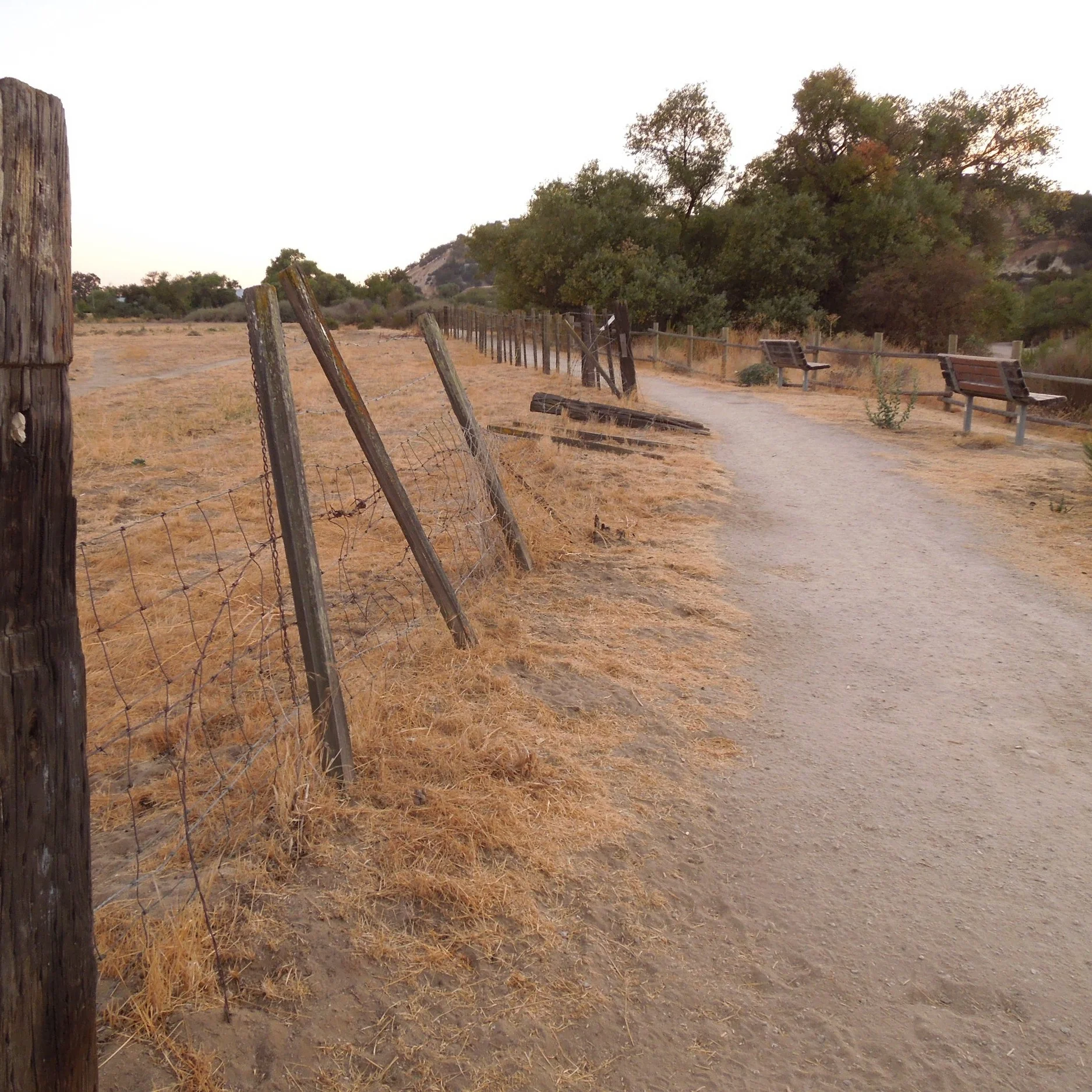
From sun-cracked pickets to leaning posts, we understand that every fence has a story, and not all of them need a dramatic ending. Sometimes, a smart, well-executed repair can extend a fence's lifespan by years.
In Phoenix, where the sun beats down almost year-round and monsoon winds occasionally test everything in their path, even the most durable fences eventually start to show signs of age. Fence damage is inevitable, but deciding what to do about it isn't always easy. Should you repair the damaged sections or replace the fence entirely? The answer depends on several factors, some financial, some structural, and some aesthetic.
At Sereno Fences, we've seen every type of fence damage imaginable. From sun-cracked pickets to leaning posts, we understand that every fence has a story, and not all of them need a dramatic ending. Sometimes, a smart, well-executed repair can extend a fence's lifespan by years. Other times, replacement is the only path to true stability. Knowing when to repair and when to replace is key to maintaining both a property's beauty and a homeowner's budget.
Understanding the Common Causes of Fence Damage
Phoenix's extreme environment creates a perfect storm for fence wear and tear. Wood shrinks and expands in the desert heat, resulting in cracks, warping, and splitting. Monsoon rains soften soil, loosening posts and making fences lean. Even well-built fences can suffer over time from:
Sun exposure that fades finishes and dries wood fibers.
Termite and insect activity that weakens structural elements.
Rust on metal fences caused by irrigation overspray.
Accidental damage from vehicles, pets, or landscaping equipment.
Shifting soil and erosion that affect post alignment.
Understanding what caused the fence damage helps determine whether repair or replacement makes sense. A small crack caused by impact might need a new picket. But rot spreading through the posts or rails usually signals that the fence's foundation is failing.
When Repairing a Fence Makes Sense
Homeowners are often relieved to learn that repair, rather than replacement, is sometimes the smarter option. When performed by a skilled fencing professional, a repair can restore safety, appearance, and strength at a fraction of the cost.
You're Planning to Drive Soon
If a person is preparing to sell their home, it may not make sense to invest in a brand-new fence. While fences do contribute to curb appeal, buyers may prefer a different material or design. In these cases, repairing the damaged sections creates a clean, well-maintained look without overspending. Real estate agents often recommend fence repairs as a simple improvement that makes a property feel well-maintained.
Only a Small Portion Is Damaged
If most of the fence is intact, there's no reason to replace it all. A professional repair team can replace broken boards, reinforce connections, and refinish the surface to make the entire fence look uniform again. For wood fences, new sections can be painted or stained to blend seamlessly. The key is early attention; addressing localized fence damage before it spreads prevents larger problems later.
The Fence Structure Is Still Strong
A fence's foundation lies in its posts. If the posts are secure and the panels are mostly stable, repairing surface-level damage is a practical choice. Fence professionals can replace damaged rails, fix minor leaning, and resecure panels without rebuilding the entire structure.
You Have Budget or Timing Constraints
Fence replacement is a significant investment that requires planning. If timing or finances make a complete replacement difficult, repair can provide breathing room. A qualified fencing contractor can focus on restoring function and appearance while extending your fence's lifespan until you're ready for a future upgrade.
When Fence Replacement Is the Better Option
Even the strongest fences eventually reach the end of their useful life. When damage is widespread, repairs become temporary and costly. In these cases, replacement delivers better long-term value.
Large Sections Are Damaged or Leaning
If more than one-quarter of a fence is leaning, sagging, or missing sections, repairs are no longer practical. A fence with widespread damage has likely lost structural stability. Replacing it prevents continuous patchwork expenses and restores security.
Posts Have Shifted, Rotted, or Broken
Rotting or unstable posts are among the most serious forms of fence damage. Because they anchor the entire fence, compromised posts weaken everything attached to them. Replacing a few boards won't correct a leaning fence that is supported by failing posts. In this situation, a complete rebuild ensures proper post-setting, concrete depth, and alignment for lasting strength.
Termite or Pest Infestation
Phoenix homeowners are no strangers to termites. Once they infiltrate a wooden fence, they often cause unseen structural weakening that spreads quickly. If pest damage extends beyond a few isolated boards, a complete replacement using treated or composite materials is the safest option.
Rust and Corrosion on Metal Fences
Metal fences are durable, but they're not indestructible. Over time, irrigation systems and moisture can cause corrosion around welds and hardware. When rust compromises multiple areas, replacing the fence with powder-coated or galvanized materials provides a long-lasting solution that resists future corrosion.
The Fence No Longer Matches The Property
Sometimes a fence outlasts your design preferences. Older fences may clash with renovated landscapes or modern exterior styles. Replacing the fence not only improves functionality but also enhances curb appeal. Many Phoenix homeowners choose to upgrade to decorative steel, vinyl, or composite fencing for a fresh, contemporary look.
Evaluating Fence Repair Costs Versus Replacement
Cost plays a major role in deciding whether to repair or replace. While a single repair may seem cheaper, frequent small fixes can add up quickly. Spending one thousand dollars every two years on patchwork repairs can cost more over a decade than a new fence that lasts twenty years.
A cost-benefit approach helps clarify the decision. If repairs exceed half the cost of a replacement, the replacement is often more economical long-term. Another good indicator is lifespan. If the current fence is nearing the end of its expected service life, even perfect repairs may not hold for long. Investing in a new fence brings peace of mind and may even increase property value.
Preventing Fence Damage in Phoenix
Fence longevity depends heavily on maintenance. Arizona's dry air and intense sun require special care to prevent deterioration. Homeowners can protect their investment by following a few preventive measures.
Keep sprinklers aimed away from the fence to avoid unnecessary moisture exposure. Reapply a protective sealant or stain every few years to guard against cracking and fading. After each monsoon season, inspect for signs of shifting posts, loose fasteners, or wood separation. Clear debris and soil buildup away from the base to prevent trapped moisture and rot.
Professional inspections are also valuable. Fence specialists can identify early warning signs, such as slight leaning or hidden insect damage, that may not be visible to the homeowner. Addressing problems early keeps repairs minimal and affordable.
Why Professional Fence Repairs Are Worth It
Although do-it-yourself fence repairs might seem tempting, professional services often save money in the long run. A skilled technician can diagnose underlying causes, not just visible symptoms. They have access to higher-quality materials designed to withstand Arizona's extreme climate.
Professional fence repair also guarantees precision. Contractors can re-level leaning sections, replace boards with perfect alignment, and ensure that posts are properly reinforced. They also understand how to match paint or stain colors for a consistent finish. Beyond cosmetic improvements, professional repairs restore structural integrity, making the fence safer and stronger.
Local Expertise in Phoenix, Arizona
Working with a local fencing company offers advantages that go beyond convenience. Phoenix's soil and climate are unique. Clay-heavy soils expand and contract with changes in moisture, which can affect fence stability. The city's relentless sun can dry out untreated wood faster than in other regions. Local professionals understand these conditions and can recommend materials that perform best, such as cedar, composite, or powder-coated steel.
Local experts are also familiar with HOA and city regulations that govern fence height, materials, and design. Choosing a professional who works regularly in Phoenix ensures a fence meets all codes while complementing the look of surrounding properties.
Frequently Asked Questions
What are the main causes of fence damage in Phoenix?
Fence damage in Phoenix is most often caused by UV exposure, monsoon storms, soil shifting, termite activity, and irrigation-related moisture. Over time, these elements wear down even high-quality materials.
How often should I inspect my fence for damage?
Inspect your fence twice a year, ideally before summer and after monsoon season. Look for leaning posts, cracks, soft spots, or signs of pest activity. Early detection prevents major repairs later.
Can I repair my fence myself?
Minor fixes like replacing a single picket are manageable for homeowners. However, structural issues such as leaning sections, rotted posts, or extensive rust should always be handled by professionals to prevent further damage.
How long does a fence repair usually take?
Most professional fence repairs in Phoenix are completed within one to two days, depending on material type and damage severity. Large-scale repairs or complex designs may require more time.
What type of fence holds up best in Arizona's climate?
Cedar and metal fences typically perform best because they resist rot and heat damage. Composite materials are another good choice for their longevity and minimal maintenance requirements.
When should I replace instead of repairing my fence?
If more than twenty-five percent of your fence is damaged, if the posts are unstable, or if the structure has significant termite or rust issues, replacement will likely be more cost-effective.
How do monsoon storms affect fences?
Monsoon winds and saturated soil can cause posts to shift or lean. After storms, inspect your fence immediately for movement, loosened panels, or broken supports. Prompt repair prevents long-term structural problems.
Partner with Sereno Fences for Reliable Repairs and Replacements
At Sereno Fences, we believe that honesty builds trust. If a fence only needs a repair, that's what we'll recommend. If replacement makes more sense, we'll explain why and guide owners through the process. Our team combines craftsmanship, local expertise, and personalized service to deliver results that last.
Whether a fence has suffered storm damage, pest infestation, or years of Arizona sun, Sereno Fences can restore a property's safety and appeal. Our goal is to keep a fence standing strong and an outdoor space looking its best.
Contact Sereno Fences today to schedule an inspection. We proudly serve homeowners throughout Phoenix, Arizona, offering expert repairs, full replacements, and reliable maintenance advice. When it comes to fence damage, we help homeowners make the smart choice every time.
If you're considering a fence or gate project in the Phoenix area, trust Sereno Custom Fence & Gates. We provide wood fences, block wall fences, iron fences, vinyl fences, chain link fences, composite fences, aluminum fences, temporary fences and custom gates for homeowners in the region. For more information call (602) 481-1298 today!
