
Horse Corral Fencing: Choosing The Right Option For Horses
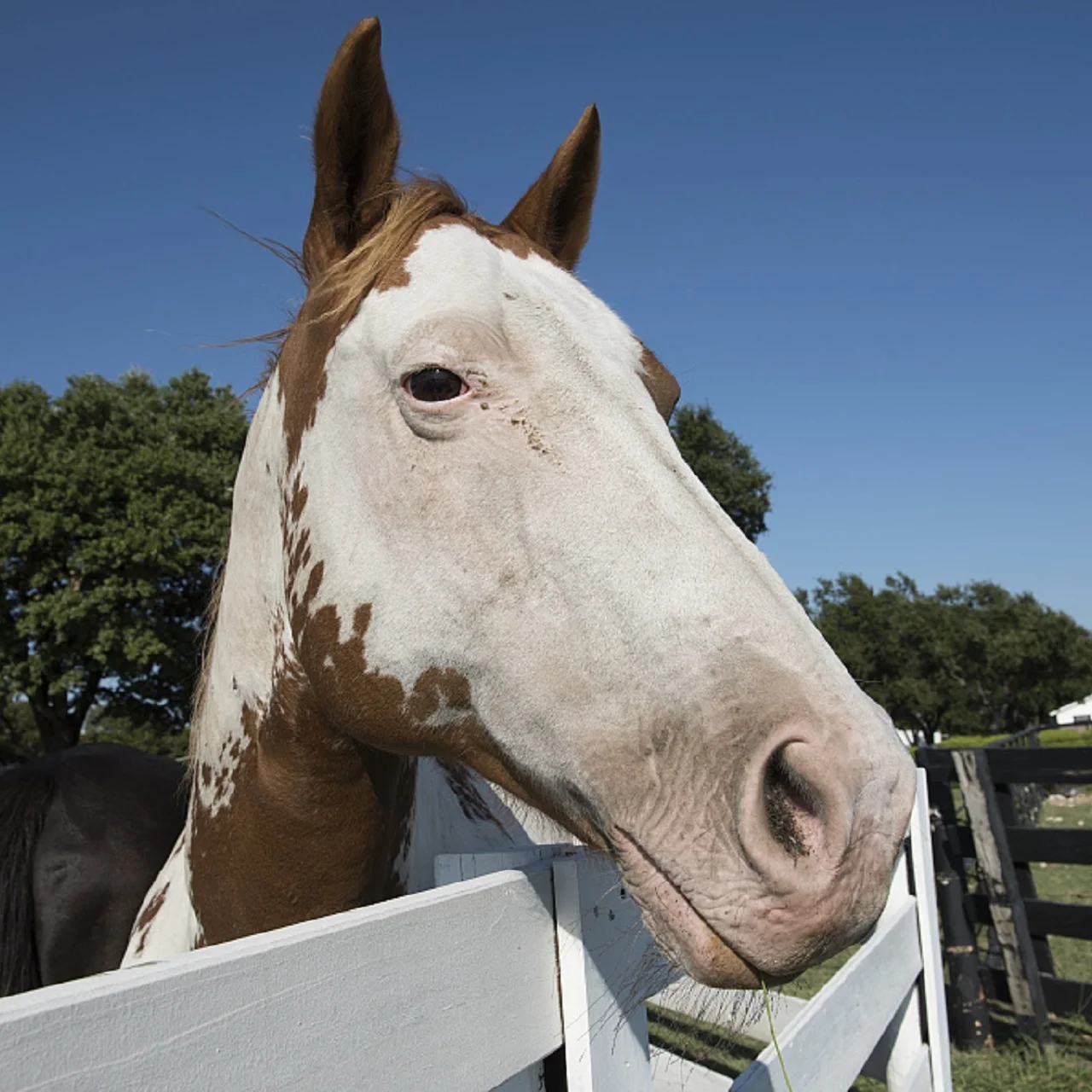
A well-designed corral balances cost, appearance, and safety, while also complementing a property’s layout.
The options available for horse corral fencing depend on the temperament of the horses, the purpose of the enclosure, and the terrain where it will be built. A well-designed corral balances cost, appearance, and safety, while also complementing a property’s layout. As professional fence contractors serving Phoenix, Arizona, and surrounding areas, we understand that a fencing choice isn’t just about containing horses; it’s about protecting an investment, maintaining safety, and adding visual appeal to a property.
Cost Considerations For Horse Corral Fencing
Cost is often one of the first questions we hear from horse owners planning a corral installation. Several factors influence the final price, including the fencing material, terrain, the total length of fencing required, the number of gates, and whether or not the corral includes electric elements.
While cost certainly matters, safety should always take priority over budget. Investing in quality materials and professional installation ensures the fence can withstand daily wear from animals and weather. For example, uneven terrain may require additional posts or custom bracing, while larger corrals increase both material and labor expenses. Choosing professional installation helps avoid costly mistakes that may arise from miscalculations or improper assembly.
Appearance And Style Options For Corrals
When appearance matters as much as performance, wood remains a classic choice. A well-built wooden horse corral delivers rustic appeal, fits naturally within rural and suburban landscapes, and can be painted or stained to match surrounding structures. It’s also versatile enough for nearly any corral size or shape.
However, wood isn’t the only material available. Steel and vinyl have become increasingly popular for modern corrals, especially in Arizona’s hot and dry climate. Steel corrals are durable, resistant to impact, and less prone to chewing or cribbing damage. Vinyl corrals, on the other hand, require minimal maintenance and maintain their clean, polished look for years.
For added containment, some property owners choose no-climb fencing or pipe rail combinations that blend beauty and safety. Each style has unique benefits, and the best choice depends on how the corral will be used. Whether for daily turnout, training, or housing multiple horses.
Prioritizing Safety For Every Horse
Safety is the foundation of a well-designed corral. Horses are strong, curious, and sometimes unpredictable animals. Their fencing must be able to withstand the occasional kick, push, or attempted jump. That’s why understanding the horse’s temperament is essential before finalizing design and material choices.
If a horse is known to jump or push boundaries, a six-foot-high fence is a smart investment. Stallions, in particular, require higher and stronger fencing, often paired with a top electric wire to discourage climbing or leaning. Even gentle horses may benefit from a reinforced fence line to prevent bending or loosening boards over time.
Professional fencing installers can recommend safe spacing between boards or rails to prevent hooves or heads from getting caught. Smooth edges, proper post placement, and correctly tensioned wire (if used) also reduce the risk of injury. A safe corral allows the horse to roam comfortably without opportunity for harm.
Choosing The Right Corral Size
Horse corrals aren’t one-size-fits-all. A horse’s health and happiness depend on having enough space to move freely, exercise, and socialize. The general guideline is to allow at least 600 square feet of space per horse, but the configuration of that space matters as well.
Horses prefer room to move in a straight line. For that reason, a long, narrow corral is often better than a square one. For instance, a 15-by-40-foot layout allows the horse to trot or gallop a short distance, while a 24-by-25-foot space offers less freedom for movement. When planning an enclosure, consider how the horses use their space. Larger or more active horses will appreciate longer enclosures, and additional fencing may be required if owners plan to rotate turnout areas or create multiple paddocks.
Professional installers can also account for terrain when determining layout. Uneven or sloped ground may need reinforced posts or adjusted spacing to maintain structural integrity.
Dealing With Horses That Crib
Cribbing is a behavior in which a horse bites onto a surface (often a fence rail) and inhales air. It’s a common but frustrating issue, both for the horse’s health and the fence’s longevity. Chronic cribbers can cause significant wear and damage to wood fences.
If a horse exhibits cribbing tendencies, discuss it with a fencing contractor during the planning phase. They can recommend materials that resist chewing, such as metal pipe fencing or coated wire. In some cases, adding an electric deterrent line may help reduce the habit. Addressing the root cause of cribbing, often stress, boredom, or digestive discomfort, is also important for the animal’s well-being.
Gate Placement And Size
Gates are often-overlooked details that significantly impact usability and convenience. A standard ten-foot gate accommodates most farm equipment and allows for easy access when moving horses, cleaning, or delivering feed.
Placement depends on the property layout. Gates should align with barns, roads, and storage areas to minimize unnecessary movement around the property. A professional installer can assess the layout and recommend gate locations that simplify daily routines. Additional gates can also be installed for emergency access or to separate pasture areas.
Durability And Climate Considerations In Phoenix, Arizona
In the Phoenix area, sun exposure and heat are major factors that influence fencing longevity. Wood fences require proper sealing or painting to protect against cracking and fading. Steel and vinyl options perform exceptionally well under desert conditions, resisting warping and moisture damage.
Professional installation is key to ensuring materials hold up against temperature fluctuations and monsoon weather. Anchoring posts correctly and accounting for soil movement can prevent future leaning or shifting. Locally experienced fencing contractors also understand how to adapt construction methods to Arizona’s terrain, from compact clay to rocky ground.
Professional Installation Makes A Difference
Hiring a professional fencing company in Phoenix means more than simply having someone build a structure. It means working with experts who understand local codes, livestock behavior, and the desert environment. A professional team ensures proper post spacing, secure gate operation, and appropriate material choices for each situation.
They’ll also help plan for drainage, erosion control, and long-term maintenance, reducing the need for frequent repairs. Whether the goal is to create a training corral, riding ring, or multi-horse turnout, working with professionals guarantees a result that balances safety, appearance, and durability.
Horse Corral Fencing Maintenance Tips
Once the corral is installed, regular maintenance keeps it safe and attractive. Walk the fence line periodically to check for loose boards, damaged rails, or sagging wire. Keep vegetation trimmed back to prevent interference and inspect gates for proper latch operation.
In Arizona’s dry climate, wood fencing may need resealing or repainting every few years to maintain strength and color. Vinyl and metal fences require less upkeep but should still be rinsed occasionally to remove dust buildup. Proactive maintenance prevents costly repairs and keeps horses safe year-round.
Why Local Expertise Matters
Choosing a local fencing contractor in Phoenix provides several advantages. Local experts understand regional regulations, such as height restrictions and property setback requirements. They also have first-hand knowledge of which materials perform best under Arizona’s harsh sun and varying terrain.
Moreover, working with a local company means access to quick service and support if future adjustments or repairs are needed. When it comes to horse safety and property protection, nearby expertise makes a big difference.
Frequently Asked Questions
What type of horse fencing is best for hot, dry climates like Phoenix, Arizona?
Vinyl and steel fencing tend to perform best in desert climates because they resist UV damage, warping, and cracking. Wood can also work well if it’s properly treated and maintained.
How high should a horse corral fence be?
A minimum of five feet is recommended for most horses, but jumpers and stallions often require six-foot fencing for safety and containment.
Should horse corrals include electric fencing?
Electric fencing can be useful for reinforcing boundaries, especially for horses that lean or challenge fences. It’s typically used along the top rail or inside edge.
What is the ideal size for a single-horse corral?
Each horse should have at least 600 square feet of space, though more is better. A long rectangular corral allows better movement and exercise than a square layout.
How often should horse fencing be inspected or maintained?
Regular inspection every few months is recommended, especially after storms or high winds. Regular professional maintenance checks, performed once a year, can help prevent major issues.
What’s the difference between a corral and a pasture fence?
A corral is a smaller, enclosed area designed for containment or training.
If you're considering a fence or gate project in the Phoenix area, trust Sereno Custom Fence & Gates. We provide wood fences, block wall fences, iron fences, vinyl fences, chain link fences, composite fences, aluminum fences, temporary fences and custom gates for homeowners in the region. For more information call (602) 481-1298 today!
