
The Role of Fencing in Securing Phoenix Government Facilities
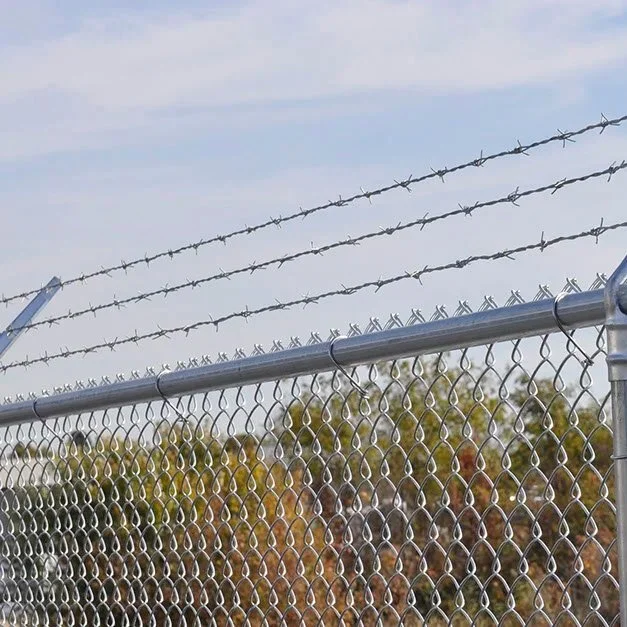
Beyond simply marking property boundaries, professionally installed fencing systems help control access, reinforce surveillance efforts, and protect sensitive areas.
Government facilities serve as the backbone of public safety, administration, and essential community services. Because of their importance, maintaining high levels of security is not optional—it’s a necessity. In a city like Phoenix, where the climate and urban setting create unique challenges, fencing becomes one of the most effective ways to secure these facilities. Beyond simply marking property boundaries, professionally installed fencing systems help control access, reinforce surveillance efforts, and protect sensitive areas. With the expertise of professional fencing contractors, government entities can implement durable, strategically designed fencing solutions that ensure both security and compliance.
Controlling Access to Government Property
Access control is the cornerstone of facility security. Fencing acts as the first physical barrier that directs people to controlled entry points while discouraging unauthorized access. For government properties, especially those dealing with sensitive materials or operations, clear and secure access management is essential.
Professional fence installers design systems that incorporate advanced security features, including keypad entry gates, badge-access systems, and biometric authentication. These elements restrict entry to authorized personnel, ensuring only those with clearance can enter secure zones. For multi-building government complexes, fencing can be configured to separate areas based on clearance levels or operational needs.
Professional fencing services ensure that gate systems, hinges, and electronic access components are aligned and fully operational, minimizing malfunctions that could compromise security. When regularly maintained, this type of fencing provides not only physical protection but also reliable access management that complements broader security protocols already in place at the facility.
Providing a Visual Deterrent
A strong, well-maintained fence communicates a clear message: the property is protected. Government facilities benefit from this visible deterrent effect, as potential trespassers and intruders are less likely to attempt entry when confronted with a high, fortified, and professional-grade barrier.
In Phoenix, where public and private buildings often coexist closely, creating a visible separation around government sites is especially important. Chain link and iron fencing are two of the most effective solutions, combining strength with visibility for active monitoring. Their design also allows the integration of signage, lighting, and security cameras to reinforce deterrence further.
Professional fencing contractors emphasize both functionality and appearance. A deteriorating or damaged fence can undermine the perception of security, while a sturdy, clean, and well-maintained fence signals readiness and control. Professional maintenance services include regular inspections, paint touch-ups, and component replacement to preserve both the look and performance of the fencing system.
Enhancing Physical Security
Government facilities often require security measures that exceed those used for residential or commercial properties. Sensitive sites, such as municipal buildings, data centers, and infrastructure hubs, demand fencing with reinforced protection. Professional installation ensures that materials and configurations meet or exceed federal and state security standards.
High-security fencing options include anti-climb mesh, heavy-gauge steel, and reinforced concrete bases. Some facilities incorporate barbed or razor wire at the top of the fence, or electric security features that respond to contact or tampering. These enhancements make unauthorized access nearly impossible without detection.
Professional fencing companies in Phoenix understand the local challenges—extreme temperatures, sun exposure, and dust storms—that can compromise materials over time. By using weather-resistant coatings, such as powder-coated or galvanized finishes, they extend the life and effectiveness of the fencing system. It ensures that even under harsh desert conditions, the fence remains a dependable first line of defense.
Creating Clear Boundaries for Sensitive Areas
Not every part of a government facility requires the same level of restriction. Certain areas—such as record storage, IT infrastructure, or emergency response hubs—demand an added layer of protection. Fencing provides a way to isolate these zones within the property, establishing clear internal boundaries that separate public spaces from restricted ones.
Professional installation services tailor fencing layouts to suit the property’s unique operational flow. They can design enclosed areas within a larger perimeter, creating controlled zones with limited entry. This strategic approach ensures security remains layered, reducing the likelihood of breaches.
Routine inspections by professional repair services identify any vulnerabilities, such as loose posts, weakened welds, or corrosion, before they evolve into serious issues. By addressing these early, facilities maintain a consistent standard of safety across all secured areas.
Durability in Harsh Environments
Phoenix’s desert climate poses specific challenges for fencing systems. The combination of intense sunlight, high temperatures, and frequent dust exposure can cause premature wear in improperly selected materials. Therefore, durability must be at the forefront of any government facility’s fencing plan.
Professional fencing companies understand how environmental stressors affect material performance. They typically recommend galvanized steel, aluminum, or powder-coated iron due to their resistance to rust and corrosion. Each installation is engineered to withstand expansion and contraction from heat exposure and reinforced to prevent warping or bending.
Beyond material selection, maintenance plays a vital role in longevity. Professional repair teams perform inspections after seasonal weather events and during regular maintenance schedules to ensure no structural damage has occurred. Preventive measures, such as rust inhibitors and paint sealing, help extend the lifespan of fences, protecting government investments and maintaining consistent security coverage.
Supporting Security Monitoring
In modern facility security, fencing serves not only as a physical boundary but as an integral part of surveillance infrastructure. For government properties, seamless integration with monitoring systems is essential. Chain link and steel mesh fences allow clear visibility, supporting camera surveillance and motion detection technology.
Professionally installed fences can include security enhancements such as perimeter alarms, vibration sensors, or pressure detection systems. These technologies alert security personnel immediately if an intrusion attempt occurs.
Professional repair and maintenance teams play a crucial role in ensuring alignment between the fencing structure and the monitoring systems. Misaligned or damaged sections can create blind spots that compromise the effectiveness of cameras and sensors. Regular service visits ensure cameras have an unobstructed line of sight and all detection systems remain calibrated and responsive.
Cost-Effective Security Solution
Fencing remains one of the most cost-effective solutions for securing government facilities. Once professionally installed, it requires minimal maintenance compared to ongoing staffing or technological surveillance costs. While fencing cannot replace personnel or digital systems entirely, it reduces dependence on them by forming a constant, passive line of protection.
By investing in professional installation and high-quality materials, government agencies minimize long-term expenses. Regular maintenance ensures that minor issues—such as corrosion, broken welds, or gate misalignment—are addressed before they escalate into costly repairs or replacements.
In Phoenix, where weather and environmental factors can affect infrastructure quickly, routine professional inspections extend the lifespan of fencing systems and ensure reliability. The result is a sustainable, long-term security solution that delivers consistent protection without excessive operational costs.
Compliance and Professional Standards
Government facilities must adhere to strict building and security codes, and fencing installations are no exception. Professional contractors are familiar with local regulations, height restrictions, and security standards that govern public property.
From municipal offices to correctional institutions, each site requires customized fencing solutions that meet federal and local compliance standards. Professionals handle all permitting, documentation, and safety measures during installation, ensuring the fence not only enhances security but also satisfies all regulatory requirements.
Long-Term Partnership with Professional Services
A professional fencing partnership provides continuous support, ensuring government facilities remain protected over time. Routine maintenance, inspections, and upgrades are critical components of this relationship. By working with trusted local fencing professionals, facility managers gain access to reliable expertise for ongoing security management.
This partnership also ensures a quick response to emergencies or damage, minimizing downtime and maintaining uninterrupted protection. Professionals can also provide recommendations for future improvements, such as upgraded gate automation or perimeter lighting, helping facilities stay ahead of evolving security threats.
Frequently Asked Questions
What type of fencing is best for government facilities in Phoenix?
Galvanized steel and powder-coated iron are top choices due to their strength and resistance to rust and corrosion. They withstand the city’s harsh desert conditions while providing reliable protection.
Can fencing integrate with surveillance systems?
Yes. Professionally installed fences can include motion detectors, cameras, and alarm systems that work together to create a unified security perimeter.
How often should government facility fences be inspected?
Professional inspections are recommended twice a year, especially after major weather events. Regular maintenance ensures continued strength and compliance.
What makes professional installation essential for government fencing?
Professional services ensure precise installation, regulatory compliance, and material quality. This expertise guarantees long-term performance and security.
Are chain link fences secure enough for government use?
Yes, when constructed with high-gauge steel, anti-climb features, and integrated monitoring systems, chain link fences provide strong, cost-effective protection for government facilities.
Key takeaways
The role of fencing in securing Phoenix government facilities cannot be overstated. More than just a boundary marker, it serves as a vital element of access control, surveillance integration, and physical deterrence. When installed and maintained by professional fencing contractors, these systems deliver strength, durability, and compliance tailored to the region’s demanding conditions.
From enhancing monitoring visibility to reinforcing perimeter safety, professionally installed fencing provides dependable protection for the city’s most important assets. With continued maintenance and expert oversight, government agencies can rely on fencing systems that safeguard personnel, property, and information—now and for decades to come.
Sereno Custom Fence & Gates offers a complete, one-stop solution for professional commercial fences in the Phoenix area, including heat-resistant fences, durable perimeter fencing, and custom commercial fence installations. Our experienced team designs and installs high-quality fences with a focus on strength, durability, and long-term performance. Whether you need a new commercial fence or upgrades to an existing one, we provide competitive pricing and trusted results. Contact us today and secure your property with reliable, high-quality commercial fencing.
