
Common Guard Rail Damage: When to Repair vs Replace
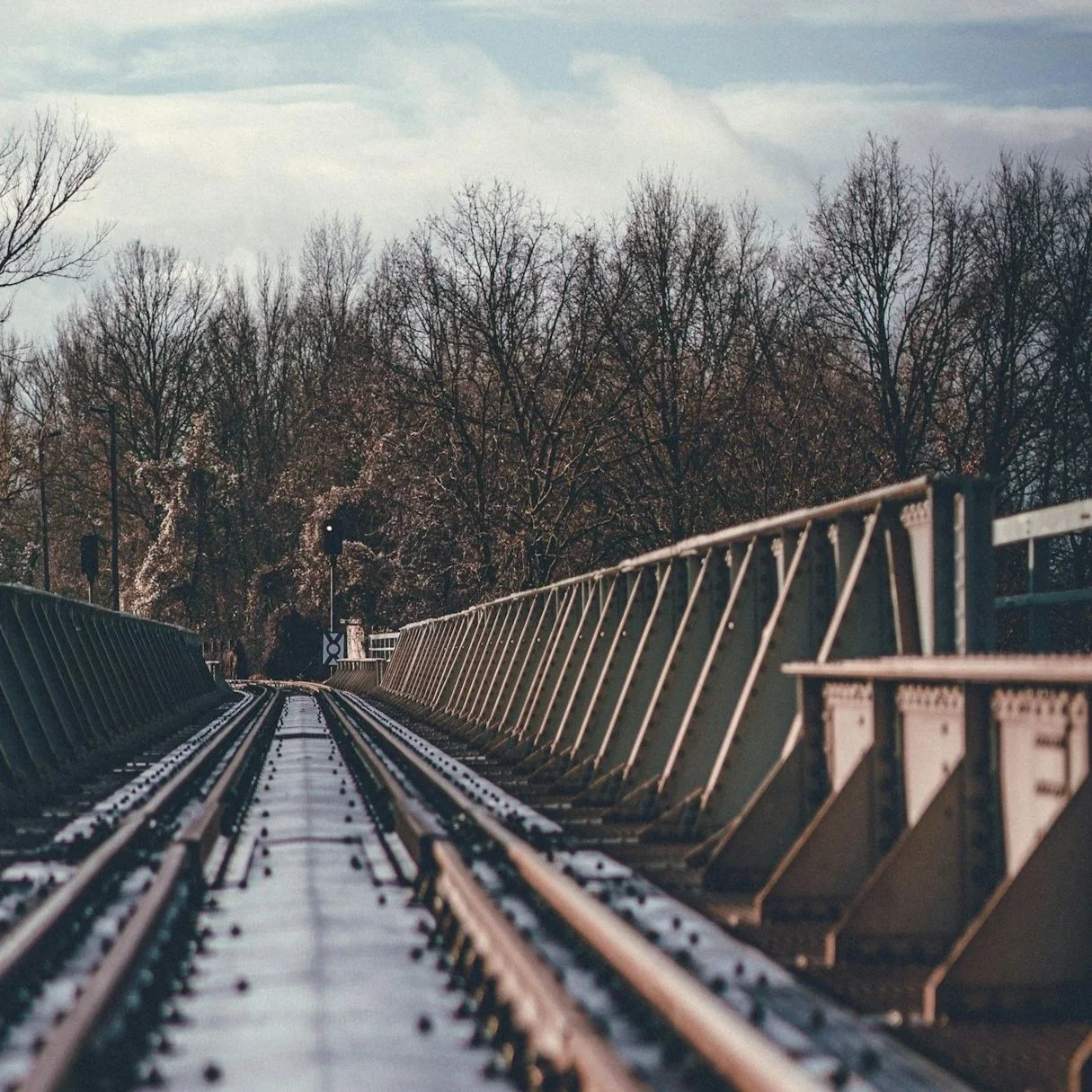
The decision depends on damage type, location, frequency of impact, and how the system performs after contact.
Guard rails take abuse, so people, buildings, and vehicles do not have to. In commercial environments, they absorb daily wear from traffic, weather, and the occasional driver who misjudges a turn. Over time, even the best installed systems show signs of damage. Knowing when guard rail damage calls for a simple repair versus a full replacement saves money, reduces liability, and keeps properties operating safely. The decision depends on damage type, location, frequency of impact, and how the system performs after contact. Professional evaluation turns what looks like cosmetic wear into a clear and defensible action plan.
Why Guard Rail Damage Should Never Be Ignored
Damaged guard rails create a false sense of security. A bent rail or leaning post may still look functional, but impact resistance often drops significantly once deformation occurs. Vehicles that strike a weakened system may push through rather than stop, transferring force into areas meant to remain protected. That risk increases liability exposure and places pedestrians, storefronts, and critical equipment in danger.
Commercial properties experience repeated low-speed impacts far more often than dramatic crashes. Shopping carts, delivery vans, box trucks, and distracted drivers slowly degrade guardrail systems over time. Each minor hit compounds the stress already present in the steel and anchoring. Professional inspections identify hidden weaknesses early, before a seemingly minor issue escalates into a safety failure with real consequences.
Minor Surface Scratches And Coating Damage
Surface scratches, chipped coatings, and paint scuffs represent the most common and least severe form of guard rail damage. These issues often result from shopping carts, car doors, or light contact with vehicles pulling into tight spaces. Structurally, the rail usually remains sound at this stage, but exposure has begun.
Repair makes sense when damage remains limited to the coating. Touch-up painting, recoating, or localized corrosion treatment restores both protection and appearance. In climates like Phoenix, addressing coating damage quickly matters because exposed steel deteriorates faster under heat, sun, and airborne dust. Professional maintenance at this stage prevents cosmetic wear from evolving into structural compromise.
Early Stage Rust And Corrosion Spots
Small rust spots often appear where coatings wear thin, fasteners loosen, or moisture briefly collects after storms. Early corrosion usually stays localized and does not immediately affect overall system strength. At this point, repair remains cost-effective and practical.
Professional repair involves removing corrosion, stabilizing the affected steel, and restoring protective coatings. Ignoring early rust allows corrosion to spread beneath coatings and into welds or post bases, where it becomes harder to detect. Once corrosion reaches anchoring points or load-bearing areas, replacement becomes far more likely. Prompt professional attention significantly extends system lifespan.
Bent Rails From Low Speed Impacts
Bent rails commonly result from parking lot collisions or delivery vehicle contact. The severity of the bend determines the appropriate response. Slight deflection that does not alter alignment, spacing, or anchoring may still qualify for repair under professional guidance.
Assessment focuses on how the rail distributes impact forces after deformation. Steel that has yielded once becomes weaker and more prone to failure during the next impact. Attempting to straighten bent steel often reduces strength and reliability. In many cases, replacing the affected rail section delivers safer and more predictable long-term performance than reshaping.
Damaged Or Leaning Posts
Posts form the backbone of any guard rail system. Leaning, cracked, or loose posts indicate compromised anchoring and reduced load transfer into the ground or slab. Even if rails appear intact, post damage undermines overall effectiveness.
Repair may involve resetting or replacing individual posts when damage remains isolated, and the surrounding concrete remains sound. When multiple posts show movement, cracking, or rotation, replacement becomes the safer option. Professional installers evaluate soil conditions, concrete integrity, and impact history before recommending action. Addressing post-damage early prevents progressive system failure.
Repeated Impact Zones And Fatigue Damage
Some guard rail locations experience repeated contact due to tight turning radii, blind spots, or poor traffic flow design. Over time, these zones exhibit fatigue damage rather than a single obvious failure. Steel weakens gradually under repeated stress, even if each impact appears minor.
Repairing the same section repeatedly rarely delivers good value. Replacement paired with layout adjustments often provides better results. Professional services may recommend repositioning guard rails, adding bollards, improving signage, or modifying traffic flow. Addressing root causes reduces repeated damage and lowers long-term maintenance costs.
Cracked Welds And Joint Failures
Welds and joints concentrate stress during impacts and serve as common failure points. Cracks in these areas indicate structural compromise and reduced load capacity. Even small cracks allow moisture intrusion that accelerates corrosion internally.
Weld repair may work when cracking remains limited, and access allows proper preparation and reinforcement. In many situations, replacing the affected section proves more reliable and durable. Professional evaluation considers weld location, crack length, surrounding metal condition, and expected future impacts. Structural integrity always outweighs short-term repair savings.
Anchor Bolt And Fastener Damage
Anchor bolts and fasteners transfer impact forces into concrete or footings. Loose, sheared, or corroded fasteners weaken the entire system even if rails appear intact. Damage often follows impacts, vibration, or long-term exposure to weather.
Repair may involve replacing bolts, reinforcing anchors, or resecuring posts when concrete remains sound. When concrete cracks, spalls, or pulls out, replacement becomes the safer path. Professional installers assess anchoring depth, edge distance, and load distribution before deciding between repair and replacement.
Severe Collision Damage
High-energy impacts that visibly deform rails, posts, and anchoring typically require replacement. Severe damage often extends beyond the most visible area, affecting nearby components through transferred force.
Repairing severely damaged systems introduces unacceptable risk. Replacement restores original performance and aligns with current safety expectations. Professional services remove damaged components, inspect adjacent areas for hidden stress, and install new systems built to handle future impacts.
Guard Rails That No Longer Meet Site Needs
Damage is not the only reason replacement makes sense. Changes in traffic patterns, vehicle types, or pedestrian activity can render existing guard rails insufficient. A system that once worked well may no longer provide adequate coverage or stopping power.
Replacement allows for a redesign that reflects current site conditions. Professional planning incorporates updated layouts, stronger materials, or expanded protection zones. Replacement becomes a proactive investment in improved safety rather than a reactive response to visible damage.
Aesthetic Damage And Property Image Considerations
Commercial properties often weigh appearance alongside safety. Guard rails that appear heavily scarred, mismatched, or deteriorated can detract from a professional image, particularly in retail and office environments. Cosmetic repairs may restore appearance temporarily, but repeated damage undermines consistency.
Replacement provides an opportunity to upgrade finishes, coatings, and alignment. Professional services help match guard rail appearance to branding while maintaining performance. Improved visuals often support tenant satisfaction and customer confidence.
Cost Comparison Between Repair And Replacement
Repair typically costs less upfront, but repeated repairs add up quickly. Replacement involves a higher initial expense but often delivers better long-term value. Evaluating total ownership cost provides clearer guidance than comparing individual repair invoices.
Professional recommendations consider frequency of damage, labor costs, downtime, and liability exposure. A repair that fails during the next impact introduces higher cost and risk than replacement would have. Strategic decisions reduce surprise expenses and improve predictability.
Inspection Frequency And Proactive Maintenance
Regular inspection helps identify damage early when repair remains viable. Annual inspections suit low-traffic areas, while high-impact zones benefit from more frequent reviews. Professional inspections document condition trends and identify emerging risks.
Proactive maintenance extends guard rail life and improves safety performance. Addressing small issues early reduces emergency repairs and unplanned replacements. Professional maintenance programs align inspection frequency with actual site activity.
When Replacement Improves Compliance
Codes, accessibility standards, and safety expectations evolve over time. Older guard rails may no longer align with current requirements even if structurally intact. Replacement allows properties to update systems proactively.
Professional installers stay current with applicable standards and recommend upgrades when appropriate. Replacement driven by compliance avoids forced changes later under inspection pressure or during property transactions.
Making The Right Decision With Professional Guidance
Determining whether to repair or replace guard rails requires more than visual inspection. Structural performance, impact behavior, site layout, and future use all factor into the decision. Professional evaluation removes guesswork and prioritizes safety.
Commercial properties benefit from objective recommendations grounded in experience. Repair works well when damage remains minor and isolated. Replacement becomes the better choice when safety, performance, or long-term cost comes into question. Making the right call protects people, property, and operational continuity.
Frequently Asked Questions About Commercial Guard Rail Maintenance
how can i tell if a guard rail needs replacement instead of repair?
Guard rail replacement is generally recommended when structural components such as posts, welds, base plates, or anchoring systems are compromised. Severe bending, visible cracking, rust penetration, or repeated impact damage can reduce the system’s ability to perform properly, making full replacement the safer long-term option.
is it safe to straighten bent guard rails?
Straightening bent steel guard rails often weakens the metal and reduces its future impact resistance. While minor cosmetic adjustments may appear sufficient, a professional assessment helps determine whether full replacement will better restore strength and ensure reliable safety performance.
how often should commercial guardrails be inspected?
Most commercial properties benefit from at least annual guard rail inspections to confirm alignment, anchoring stability, and coating condition. Facilities with high traffic volumes or frequent vehicle impacts may require more frequent evaluations to maintain consistent protection and compliance.
can individual guard rail sections be replaced without replacing the entire system?
Many guard rail systems are designed to allow sectional replacement when surrounding posts and anchors remain structurally sound. Professional installers evaluate compatibility and overall system integrity before replacing individual components to ensure performance is not compromised.
does cosmetic damage affect guard rail performance?
Cosmetic damage such as chipped paint or surface scratches may not immediately impact structural performance, but it can expose steel to moisture and corrosion. Addressing these issues early helps prevent deeper deterioration and extends the overall service life of the system.
Sereno Custom Fence & Gates offers a complete, one-stop solution for professional metalwork services in the Phoenix area, including mobile welding, handrails, guard rails, and trash enclosures. Our skilled and certified technicians work with high-quality materials to deliver durable, safe, and visually appealing solutions with a focus on quality, reliability, and long-term performance. Whether you need custom metal installations or repairs, we provide affordable, transparent pricing and trusted workmanship. Contact us today and enhance your property with secure, professionally crafted metalwork.
