
Guard Rail Safety for Multi-Family Properties: Walkways, Stairs, and Raised Areas
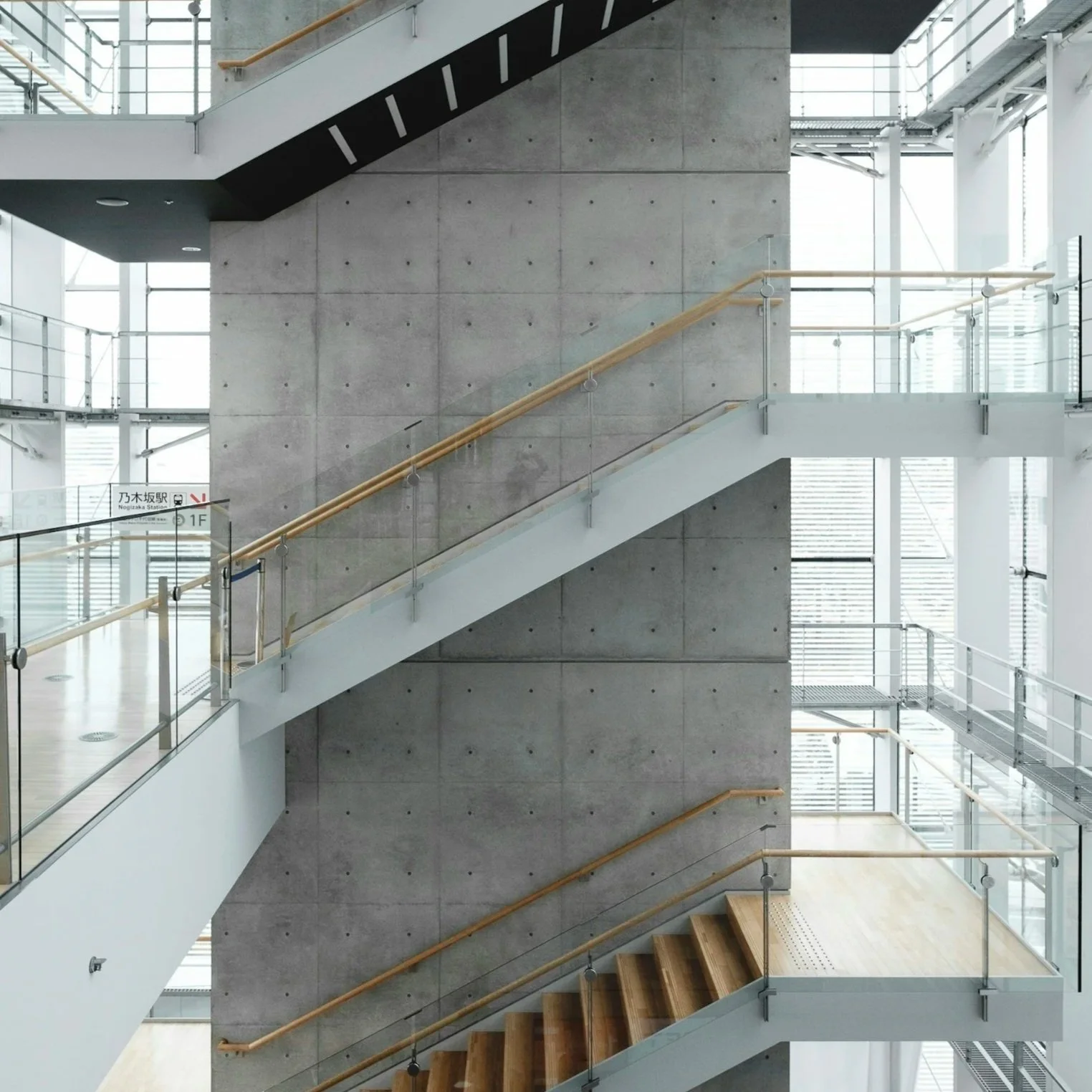
In these environments, guard rails quietly serve as one of the most important safety features on the property.
Multi-family properties balance constant movement, shared spaces, and varied user needs every single day. Residents walk dogs, carry groceries, push strollers, and navigate stairs at all hours. Guests arrive unfamiliar with the layout, while service providers move equipment through tight corridors. In these environments, guard rails quietly serve as one of the most important safety features on the property. Properly designed and installed guard rails protect residents from falls, guide movement, and reduce liability exposure for owners and managers. Understanding how guard rails function across walkways, stairs, and raised areas helps multi-family properties remain safe, compliant, and welcoming.
Why Guard Rail Safety Matters In Multi-Family Communities
Multi-family properties present unique safety challenges because they combine residential living with commercial-style foot traffic. Unlike single-family homes, these properties see constant use from dozens or even hundreds of people with different mobility levels. Children, seniors, and individuals with disabilities share the same walkways and stair systems.
Guard rails provide physical support and visual guidance in these shared environments. They reduce fall risk, define safe travel paths, and prevent accidental access to hazardous edges. From a liability standpoint, guardrails demonstrate proactive safety planning. Professional installation shows that property owners take reasonable steps to protect residents and visitors, which plays a key role when incidents occur.
Guard Rails Along Elevated Walkways
Elevated walkways are common in apartment complexes, condominiums, and mixed-use buildings. Second and third story corridors often overlook parking areas, courtyards, or landscaped spaces. Without proper guardrail protection, these walkways pose serious fall hazards.
Guard rails along elevated walkways must meet specific height and strength requirements to prevent falls while accommodating daily use. Residents frequently lean on these rails while talking, watching children play, or waiting for rides. Professional guard rail systems are designed to withstand these loads without loosening or deflecting excessively.
Spacing and continuity also matter. Gaps or inconsistent sections create safety risks and visual confusion. Professional installers design guard rails that provide continuous protection along the full length of the walkway, maintaining both safety and visual consistency across the property.
Stairway Guard Rail Requirements And Best Practices
Stairs remain one of the most common locations for injuries in multi-family properties. Changes in elevation, varying lighting conditions, and high traffic increase risk. Guard rails on stairways provide critical hand support and balance assistance.
Professional stair guard rails are designed for frequent use. Height, grip size, and placement affect usability for residents of different heights and abilities. Proper installation keeps rails securely anchored and aligned with stair geometry, allowing smooth and predictable movement.
Stair guard rails also help guide traffic flow. Clear rail placement discourages cutting corners or stepping outside designated stair paths. In emergency situations, properly installed rails support faster and safer evacuation by providing stable handholds under stress.
Raised Platforms And Drop Off Protection
Many multi-family properties include raised platforms such as pool decks, podium levels, rooftop amenities, and elevated patios. These spaces enhance lifestyle appeal but introduce fall risks that require careful guardrail planning.
Guard rails around raised areas protect residents from accidental falls while preserving open sightlines. Professional design balances safety with aesthetics, especially in amenity spaces where visual appeal matters. Glass infill, decorative metal, or powder-coated steel options may be selected depending on property style and exposure.
Height and load capacity remain critical regardless of material choice. Professional installation confirms that guard rails meet applicable safety standards and withstand leaning, crowding, and environmental exposure without failure.
Balcony And Patio Guard Rail Safety
Balconies and private patios present additional guard rail considerations. These spaces often experience furniture movement, planters, and personal decorations that add weight and stress to rail systems. Residents may lean, sit, or place objects against the rails.
Professional guard rail systems account for these behaviors. Strong anchoring, proper spacing, and durable materials prevent loosening over time. Designs also limit climbability, reducing fall risk for children.
Uniformity across units matters as well. Mismatched or altered guard rails create both safety and aesthetic issues. Professional installation maintains consistent performance and appearance throughout the property.
Accessibility And Inclusive Design Considerations
Multi-family properties serve residents with a wide range of mobility needs. Guard rail placement affects how individuals navigate walkways, stairs, and shared spaces. Poorly positioned rails can obstruct movement or create pinch points.
Professional design integrates guard rails with accessible routes, ramps, and landings. Height and clearance considerations support safe use by individuals using mobility aids. Consistent rail placement improves predictability, allowing residents to move confidently throughout the property.
Accessibility considerations also extend to visual contrast. Guard rails that contrast with surrounding surfaces improve visibility in low-light conditions. Professional selection of finishes supports both safety and inclusive design goals.
Weather Exposure And Durability In Shared Spaces
Guard rails in multi-family properties remain exposed to weather year-round. Sun, rain, wind, and temperature changes affect material performance. In climates like Phoenix, heat and UV exposure accelerate coating wear and metal fatigue.
Professional guard rail systems use materials and finishes selected for long-term durability. Galvanized steel, powder-coated finishes, and corrosion-resistant fasteners extend service life. Proper installation prevents moisture intrusion at anchor points, reducing rust and loosening over time.
Durability matters not only for safety but also for appearance. Faded, rusted, or damaged guard rails detract from the property image and signal neglect. Professional installation and maintenance preserve both function and curb appeal.
Maintenance And Inspection For Multi-Family Guard Rails
Even well-designed guard rails require ongoing inspection. High traffic areas experience gradual wear that may not be obvious during daily use. Loose fasteners, minor bending, or coating damage can progress unnoticed without routine checks.
Professional inspections identify issues early, allowing for timely repairs. Annual inspections suit many properties, while high-use stairways and amenity areas may benefit from more frequent review. Documented inspections also support risk management and insurance requirements.
Proactive maintenance reduces emergency repairs and unexpected replacements. Addressing small issues early preserves system integrity and protects residents from preventable hazards.
Reducing Liability Through Proper Guard Rail Planning
Liability concerns drive many guardrail decisions in multi-family properties. Falls and injuries often lead to claims that examine whether reasonable safety measures were in place. Guard rails play a central role in that evaluation.
Professional installation demonstrates adherence to safety standards and industry best practices. Proper documentation of design, permitting, and inspections strengthens a property owner’s position if incidents occur. Investing in quality guard rail systems often costs far less than defending a single liability claim.
Traffic Flow And Resident Behavior Considerations
Residents do not always follow intended paths. Shortcuts across landscaping, leaning over rails, or congregating near edges create unplanned stress on guard rail systems. Professional planning accounts for real-world behavior rather than ideal use.
Strategic placement guides residents naturally toward safer routes. Guard rails discourage risky movement without feeling restrictive. Professional layout design reduces temptation to bypass stairs or climb barriers, supporting safer daily habits.
Fire And Emergency Egress Coordination
Guard rails must work in harmony with emergency egress routes. Stairways, walkways, and exits require clear widths and unobstructed paths. Poorly placed guard rails can interfere with evacuation during emergencies.
Professional installers coordinate guard rail placement with fire access and egress requirements. Proper spacing and alignment support safe movement during emergencies without compromising everyday usability. Permitting and inspection processes often review these factors closely.
Renovations And Guard Rail Upgrades
Many multi-family properties undergo renovations to improve appearance or functionality. Guard rail upgrades often accompany these projects. Replacing outdated or damaged systems improves safety while modernizing the property.
Professional services evaluate existing conditions and recommend upgrades aligned with current use. Renovation-driven guard rail replacement often delivers better outcomes than reactive repairs. Updated systems improve compliance, durability, and resident satisfaction.
Balancing Safety And Aesthetics In Residential Settings
Residents expect guardrails to protect them without making the property feel institutional. Aesthetics play an important role in perceived quality. Professional guard rail solutions balance safety with design harmony.
Material selection, finish options, and clean installation details elevate appearance while maintaining performance. Well-designed guard rails blend into architecture rather than distracting from it. That balance supports leasing efforts and long-term property value.
The Value Of Professional Guard Rail Services
Guard rail safety in multi-family buildings is about more than just putting up rails. Checking the site, planning the design, getting permits, installing, and maintaining all matter. Professional services make sure each step is done right and stays consistent.
Property owners benefit from systems designed specifically for shared residential environments. Professional expertise reduces risk, controls costs, and improves resident confidence. Guard rails may not draw attention when done well, but their impact on safety and liability remains significant every day.
Frequently Asked Questions About Guard Rails for Multi-Family Properties
where are guard rails required in multi-family properties?
Guard rails are typically required along elevated walkways, stairways, balconies, raised platforms, and any area with significant drop-offs. Local building codes establish when protection is mandatory, and a professional assessment helps confirm specific placement requirements based on the property’s layout and occupancy type.
how often should guardrails be inspected in apartment complexes?
Most apartment communities benefit from annual guardrail inspections to verify structural stability and code compliance. High traffic areas such as stair systems, breezeways, and pool decks may require more frequent checks due to constant use and greater exposure to wear.
do balcony guard rails need to meet different standards?
Balcony guard rails must meet specific height, spacing, and load requirements designed to prevent falls and withstand lateral pressure. Professional installation ensures compliance with residential building codes while accounting for resident use patterns and environmental exposure.
can guard rails be upgraded during renovations?
Guard rails are frequently upgraded during property renovations to improve safety, appearance, and code compliance. Replacing outdated systems allows property owners to enhance curb appeal while meeting current structural and accessibility standards.
why should guardrail installation be handled professionally?
Professional guardrail installation ensures proper anchoring, accurate code alignment, and long-term durability. It also reduces liability concerns and supports consistent performance in high-use residential environments where resident safety is a top priority.
Sereno Custom Fence & Gates offers a complete, one-stop solution for professional metalwork services in the Phoenix area, including mobile welding, handrails, guard rails, and trash enclosures. Our skilled and certified technicians work with high-quality materials to deliver durable, safe, and visually appealing solutions with a focus on quality, reliability, and long-term performance. Whether you need custom metal installations or repairs, we provide affordable, transparent pricing and trusted workmanship. Contact us today and enhance your property with secure, professionally crafted metalwork.
