
Is it Time for a New Pool Fence?
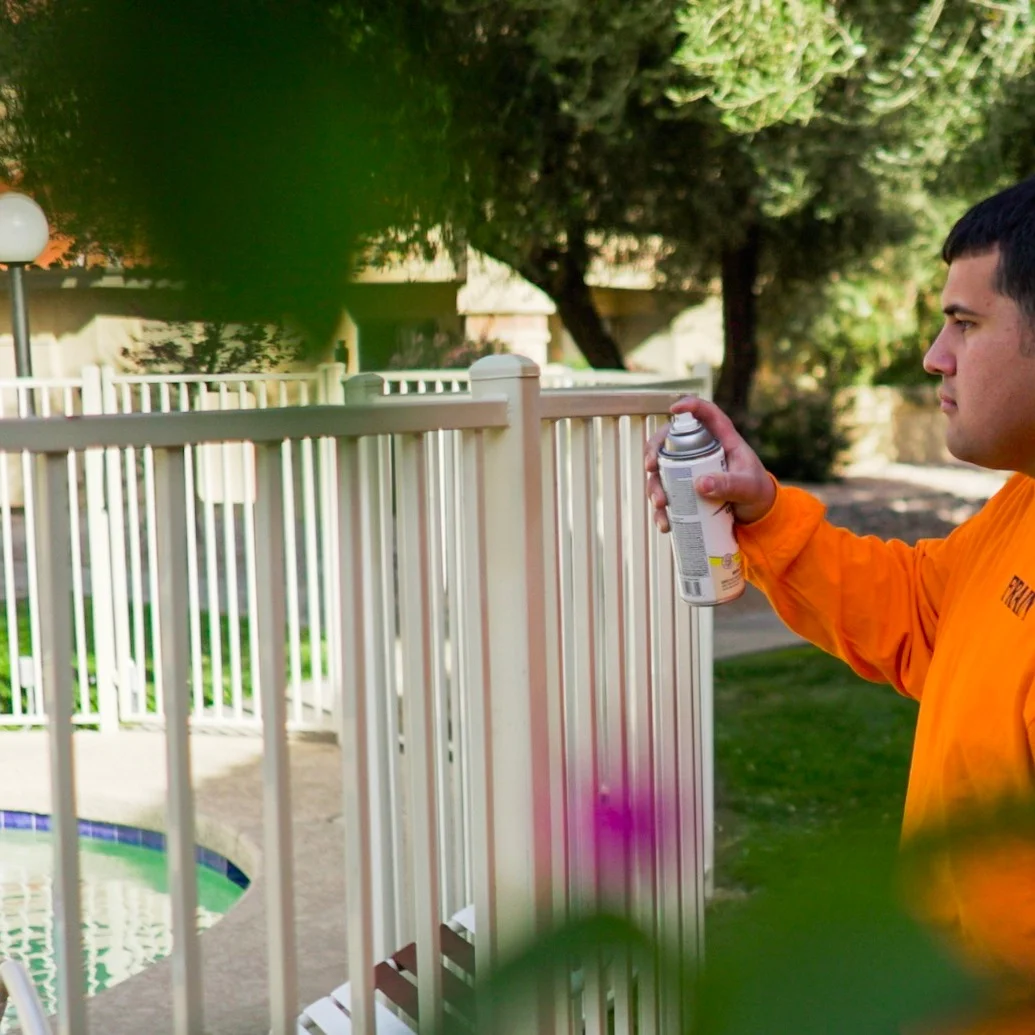
We also repair pool fencing!
As the Arizona sun heats up and pool season arrives, safety around the pool becomes more crucial than ever. Pool fencing is not just a decorative border; it is a critical safety barrier that protects children, pets, and guests. In Phoenix, where pools are practically a summer necessity, maintaining a pool fence is part of being a responsible homeowner. Whether one has a brand-new pool or an older setup that has seen better days, the condition of a fence determines both safety and compliance.
Below, we explore the most common signs that it is time for a new pool fence, why pool fencing matters for safety and law, and what to consider when replacing or upgrading a fence.
A New Pool Always Needs a New Fence
Every pool installation, whether above-ground or in-ground, requires fencing that complies with Arizona pool safety standards. The state mandates barriers around pools deeper than 18 inches, with minimum height and latch requirements designed to prevent unsupervised access. A simple backyard fence does not always meet these criteria. A dedicated pool fence is an essential part of any new pool installation.
If homeowners are installing a new pool or hot tub, it is the perfect time to plan a modern, code-compliant pool fencing system. A professional fence installer can assess the property, design a fence that complements your space, and make sure every latch, post, and gate meets state and municipal guidelines. At Sereno Fences, we help Phoenix homeowners navigate HOA approvals, safety regulations, and material selection so the new fence fits seamlessly into the outdoor space.
The Old Fence Is Worn Out
Even the most durable fences wear down over time. Sun exposure, chlorinated water, and temperature swings can take a toll on materials. A fence that once passed inspection might no longer meet safety standards after years of exposure to the elements.
Common signs a pool fence needs replacement include sagging panels, leaning posts, or gates that no longer latch securely. In Arizona’s dry, sunny climate, UV damage can cause vinyl to fade and weaken, while moisture and heat can make wooden fences warp or crack. If any part of the fence has visible gaps or loose hardware, it compromises the entire structure.
While some issues are repairable, widespread deterioration is a sign that it is time for a new system. Regular inspections can help catch minor issues before they turn into safety hazards. If homeowners are unsure about their fence’s condition, schedule a professional assessment from a Phoenix pool fencing expert.
Matching the Fence to Its Surroundings
A pool fence should do more than provide safety; it should also enhance your backyard’s design. Many homeowners choose to replace their fence when the current one no longer fits the updated landscape or new pool layout. Maybe they expanded the deck, planted new trees, or added a spa area. The old fence might block views or clash with the style of newer upgrades.
In other cases, the goal may be improved visibility or privacy. Some homeowners prefer open-view aluminum fencing for an unobstructed sightline to the pool, while others want vinyl or composite fencing that shields the area from neighbors. Replacing a fence allows one to choose materials, styles, and colors that better complement the property while keeping safety as the top priority.
Why Pool Fencing Matters for Safety and Law
Arizona law requires residential pools to have secure, code-compliant fencing. These rules exist to save lives. Accidental drownings are preventable tragedies, and fencing is the most effective first line of defense.
A compliant pool fence in Phoenix must meet several key requirements. It should be at least five feet in height and have no openings large enough for a four-inch sphere to pass through. Gates must be self-closing and self-latching, and latches should be positioned high enough to be out of a child’s reach. The fence must not have footholds or climbable surfaces nearby.
Over time, materials settle, gates shift, and regulations evolve. A fence that was compliant ten years ago may no longer meet today’s standards. Replacing it ensures a property is up to code and loved ones are protected.
Choosing the Right Pool Fencing Material
When it is time for a replacement, consider the strengths and weaknesses of different materials. Arizona’s climate plays a significant role in durability and maintenance needs.
Aluminum Pool Fencing
Aluminum fencing is one of the most popular options for pool areas. It is lightweight, rust-resistant, and durable against the heat. Powder-coated aluminum also resists fading, making it ideal for year-round exposure. If a fence is leaning or has loose welds, it is time to replace it rather than attempt patch repairs.
Vinyl Pool Fencing
Vinyl is a popular choice for homeowners who desire privacy and low-maintenance upkeep. It will not rust or splinter, and it is simple to clean with mild soap and water. However, Arizona’s intense UV rays can cause fading or brittleness over time. If your vinyl panels show discoloration, cracks, or warping, a new installation will restore both safety and appearance.
Wood Pool Fencing
Wood offers warmth and a natural look, but it requires diligent maintenance. In dry heat, wood can crack, split, or warp. If homeowners notice significant decay, loose boards, or weakened posts, replacing the fence will save them from the constant need for repairs and repainting.
Glass and Composite Fencing
Modern glass or composite fencing adds a high-end aesthetic to Phoenix backyards. Glass panels create unobstructed views and a clean, contemporary look. However, they must be properly anchored and regularly inspected for cracks or loose fittings. Composite options provide a balance between beauty and durability with minimal maintenance.
The Benefits of Replacing an Outdated Pool Fence
A new pool fence brings multiple benefits beyond safety compliance. It can completely transform a pool area while reducing long-term upkeep.
Improved safety is the most obvious advantage. Newer pool fencing designs include self-closing gates, anti-climb features, and tamper-resistant latches. These upgrades give homeowners peace of mind, knowing the fence is secure even during busy summer gatherings.
Replacing a fence also enhances curb appeal. A worn, faded, or mismatched fence can make an otherwise beautiful pool look neglected. A modern replacement adds balance and value to a yard. In addition, newer materials like vinyl and powder-coated aluminum reduce maintenance, resist rust and peeling, and withstand the desert sun better.
Another benefit is compliance. Replacing an older fence ensures alignment with current Phoenix and Maricopa County pool safety codes. It can also simplify inspection processes for property sales or insurance renewals.
When Repairs Are Not Enough
While some homeowners opt to repair small sections, repeated patchwork can lead to inconsistent performance and appearance. Replacing the fence entirely allows for uniform strength and alignment. It also provides the opportunity to reconfigure the layout for improved access, better gate placement, or enhanced privacy.
A fence that has survived multiple Arizona summers without maintenance may have hidden weaknesses, like corroded hardware or sun-brittled posts. Replacing rather than repairing ensures structural integrity and longevity.
Professional Pool Fencing Services in Phoenix, Arizona
Pool fencing is both an art and a science. It requires a balance of aesthetic appeal, functional design, and strict safety standards. Professional installers, such as Sereno Fences, handle every step, from measuring terrain gradients to securing permits and meeting HOA guidelines. Our team specializes in customized pool fencing that complements Phoenix’s unique landscape and meets all state safety requirements.
We also handle pool fence repairs for clients who need adjustments, gate replacements, or material upgrades. If your fence no longer feels secure or if it is showing visible wear, a quick consultation can help determine the best course of action.
Common Mistakes Homeowners Make
Many homeowners underestimate the importance of regular inspection, especially when their fence appears fine at first glance. Some of the most common mistakes include ignoring loose gates or missing latches, overlooking cracks or fading panels that signal deeper issues, and assuming old fences automatically meet current codes. Attempting DIY repairs without professional evaluation can also create safety risks.
In a climate like Phoenix’s, where heat and sunlight accelerate wear, minor issues can quickly escalate into serious concerns. A professional evaluation once a year is one of the simplest ways to keep your pool fence in compliance and ensure peace of mind.
Maintaining Your New Pool Fence
Once the new pool fencing is installed, routine care will help it last for years. Inspect gates and latches regularly to confirm they close smoothly and securely. Clean aluminum or vinyl fences with gentle soap and water to prevent buildup. Trim nearby shrubs or vines that might compromise the structure, and schedule periodic professional inspections to confirm compliance. Regular maintenance not only protects the investment but also preserves the safety of the pool area.
Frequently Asked Questions About Pool Fencing in Phoenix, Arizona
How often should a pool fence be inspected in Arizona?
Most experts recommend inspecting your pool fence twice a year. Arizona’s harsh sunlight and dust can loosen fittings and cause discoloration, so regular checks keep everything functioning safely.
Are there legal height requirements for pool fencing in Phoenix?
Yes. Most residential pool fences must be at least five feet tall with no openings greater than four inches, and all gates must be self-closing and self-latching.
Can an existing backyard fence count as a pool fence?
Not necessarily. A general perimeter fence might not meet specific pool barrier codes, which require precise latch heights, gate designs, and spacing.
What materials hold up best in Arizona’s climate?
Powder-coated aluminum and vinyl are typically the best choices for Phoenix homeowners. Both materials resist rust, fading, and cracking under prolonged heat.
Is glass pool fencing safe?
Yes. When professionally installed with tempered safety glass and proper anchoring, glass fencing is both durable and compliant with local regulations.
If you're considering a fence or gate project in the Phoenix area, trust Sereno Custom Fence & Gates. We provide wood fences, block wall fences, iron fences, vinyl fences, chain link fences, composite fences, aluminum fences, temporary fences and custom gates for homeowners in the region. For more information call (602) 481-1298 today!
