
Do Guard Rails Need Permits in Phoenix? A Practical Guide
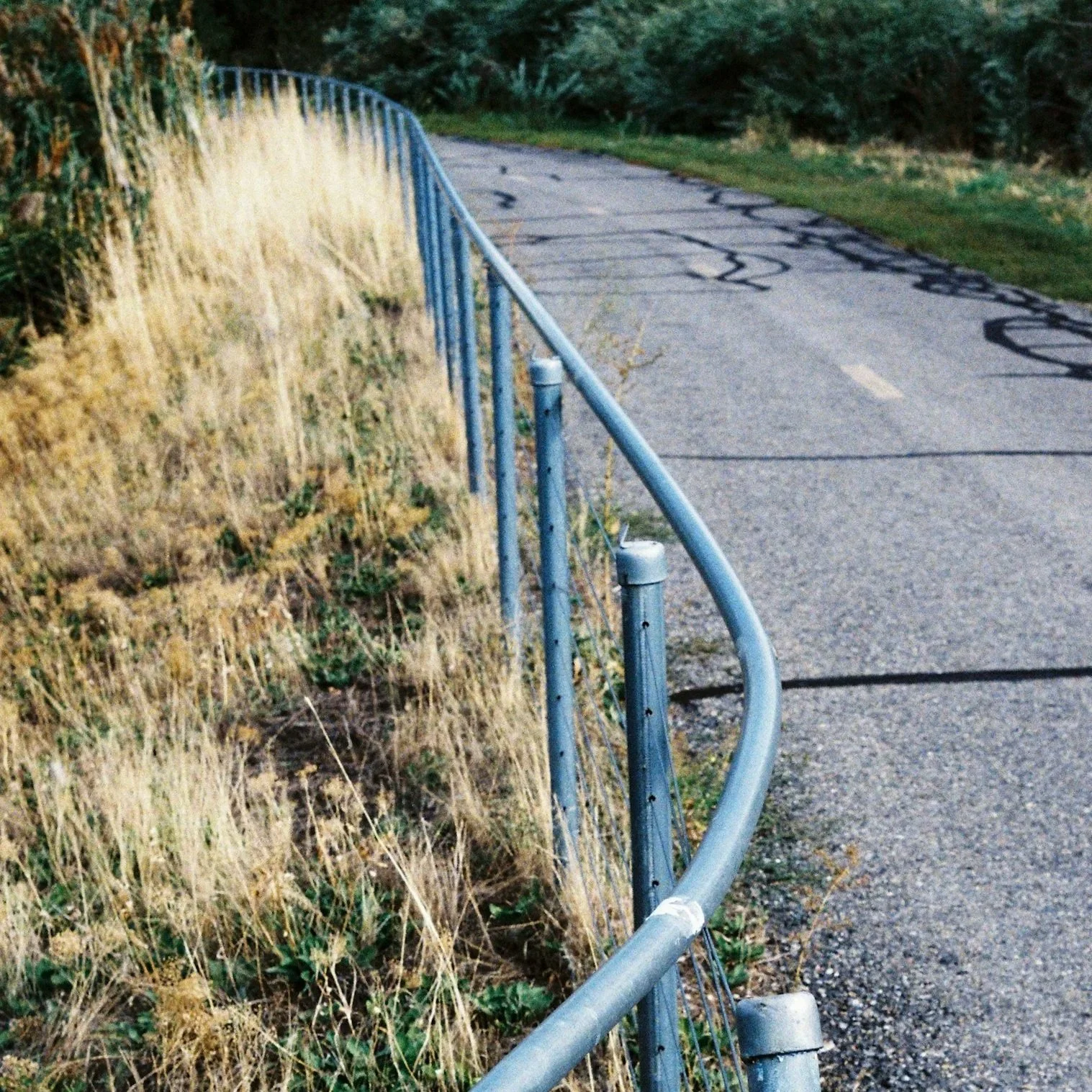
Phoenix regulates site features that affect safety, accessibility, and traffic flow, and guard rails often touch all three.
Guard rails may appear straightforward, but in Phoenix, they often fall under permitting and code oversight. Commercial property owners frequently ask whether installing guard rails in parking lots, loading zones, pedestrian areas, or near buildings requires city approval. The answer depends on where the guard rails are placed, how they are installed, and what purpose they serve. Phoenix regulates site features that affect safety, accessibility, and traffic flow, and guard rails often touch all three. Understanding the permitting process before installation helps avoid delays, fines, and costly rework while keeping commercial projects moving forward.
Why Guard Rail Permits Matter In Phoenix
Phoenix places strong emphasis on public safety, accessibility, and site functionality. Guard rails influence how vehicles move, where pedestrians walk, and how emergency services access a property. Because of that impact, the city treats guard rails as more than decorative additions. Permitting acts as a safeguard to confirm installations meet safety and accessibility expectations.
Skipping permits can lead to serious consequences. City inspectors may issue stop work orders, require removal of completed installations, or mandate modifications after the fact. Even well-built guard rails can fail inspection if installed without approval. Professional planning treats permitting as part of the project timeline rather than an inconvenience, reducing surprises and protecting long-term property value.
When Guard Rails Typically Require A Permit
Most permanent guard rail installations in Phoenix require a permit. Guard rails anchored into concrete, bolted to slabs, or set into the ground with footings usually trigger city review. Systems installed to protect pedestrians, buildings, storefronts, loading docks, or equipment areas commonly fall into this category.
Permits are also required when guard rails alter how vehicles move through a site. Any installation that changes drive lanes, parking layouts, turning radii, or traffic circulation patterns often requires approval. Even minor adjustments can trigger a review if they affect safety or access. Professional installers evaluate these factors early to determine permit requirements before construction begins.
Situations Where Permits May Not Be Required
Some guard rail installations may not require permits, but these situations are more limited than many property owners expect. Temporary or removable guard rails sometimes qualify as exempt, particularly when used for short-term construction protection or event management. Light-duty systems that are not permanently anchored may also fall outside standard permit requirements.
Even in these cases, assumptions can create risk. Phoenix inspectors still review temporary installations if they obstruct access, reduce visibility, or interfere with pedestrian routes. Professional consultation helps confirm whether an installation truly qualifies as exempt. Verifying requirements upfront prevents costly corrections later.
Commercial Property Versus Public Right Of Way
Location plays a major role in determining permit needs. Guard rails installed entirely within private commercial property follow one set of rules. Systems placed near sidewalks, curbs, driveways, or street frontage face additional scrutiny.
Public right-of-way areas almost always require permits. Sidewalks, curb returns, driveway aprons, and areas near street intersections fall under city jurisdiction. Installing guard rails in these spaces requires coordination with multiple departments. Professional services identify property boundaries accurately to avoid accidental encroachment into regulated areas.
Building Code Requirements That Affect Guard Rails
Phoenix follows adopted building codes that address site safety features. Guard rails protecting drop-offs, elevated surfaces, or pedestrian routes must meet specific requirements related to height, strength, and load resistance. Spacing between rails and anchoring methods also matter.
Permitting reviews confirm compliance with these codes. Professional installers design guard rail systems that align with code requirements from the start rather than adjusting after inspection feedback. That proactive approach reduces redesign costs and keeps schedules intact.
Fire Lane And Emergency Access Considerations
Fire access represents one of the most common reasons guardrail permits face scrutiny. Phoenix requires clear fire lanes that allow emergency vehicles to maneuver without obstruction. Guard rails cannot narrow, block, or restrict these access routes.
Even well-intentioned safety additions can create compliance issues if they interfere with fire lanes. Permits allow fire departments to review guard rail plans before installation. Professional planning considers emergency turning radii, clearance widths, and access points to avoid conflicts that delay inspections or occupancy approvals.
ADA Accessibility And Pedestrian Route Compliance
Accessibility requirements strongly influence guard rail permitting. Guard rails installed near sidewalks, ramps, entrances, or accessible parking spaces must preserve compliant pedestrian routes. Height, placement, and continuity affect how individuals with mobility challenges navigate the site.
Phoenix inspectors review guard rail plans to confirm they do not create barriers or hazards. Professional designers coordinate guard rail placement with curb ramps, crosswalks, and accessible paths of travel. Permitting acts as a checkpoint to ensure accessibility remains protected rather than compromised.
Zoning And Site Plan Review Triggers
Some guard rail projects extend beyond basic building permits and require zoning or site plan review. Large perimeter guard rail systems, installations tied to redevelopment projects, or changes that affect overall site circulation may trigger broader review.
These reviews examine traffic flow, visual impact, and neighborhood compatibility. Guard rails installed as part of larger commercial improvements often must align with previously approved site plans. Professional services review zoning records and approved plans to confirm compliance before submitting permit applications.
Engineering Requirements For Certain Guard Rail Systems
Not all guard rails require engineered drawings, but heavier-duty systems often do. Installations near slopes, retaining walls, or high-impact areas may require calculations to demonstrate structural performance. Phoenix reviewers may request stamped engineering documents in these situations.
Professional installers coordinate with engineers when required. That collaboration strengthens permit submissions and reduces review delays. Attempting to bypass engineering requirements often leads to permit rejection or extended review cycles.
Understanding The Permit Application Process
The permit application process typically includes site plans, guard rail layouts, material specifications, and anchoring details. City reviewers assess how the installation interacts with existing utilities, drainage, traffic flow, and pedestrian routes. Requests for clarification or revisions are common.
Professional services manage this process efficiently by submitting complete and accurate documentation. Experience with Phoenix permitting systems helps anticipate reviewer concerns before they arise. Clear plans reduce back-and-forth communication and shorten approval timelines.
Inspection Requirements After Installation
Permitted guard rail installations require inspection once work is complete. Inspectors verify that guard rails match approved plans and meet code requirements. Anchoring depth, spacing, height, and placement all receive attention during inspection.
Failing inspection can result in required modifications or rework. Professional installers schedule inspections strategically and prepare sites to meet expectations. Passing inspection provides an official sign-off that protects property owners from future compliance issues.
Risks Of Installing Guard Rails Without Permits
Installing guard rails without the required permits creates multiple layers of risk. City enforcement actions may include fines, stop work orders, or removal requirements. Correcting unpermitted work often costs more than doing it properly from the beginning.
Unpermitted installations also affect insurance coverage. Claims related to injuries or property damage may face challenges if guard rails were installed without approval. Property sales, refinancing, or tenant negotiations can also uncover compliance issues. Professional permitting protects long-term financial interests.
How Professional Services Simplify The Permitting Process
Navigating Phoenix permitting requirements requires experience and local knowledge. Rules vary based on property type, location, and installation scope. Professional guard rail services handle research, application preparation, coordination, and inspections as part of a complete solution.
Property owners benefit from reduced administrative burden and fewer surprises. Professional teams communicate directly with city reviewers, respond to requests, and adjust plans when needed. That expertise keeps projects moving and minimizes delays.
Planning Ahead Reduces Cost And Stress
Early planning remains the most effective way to manage guardrail permitting. Identifying permit needs during design avoids rushed applications and construction delays. Professional assessment integrates permitting into project schedules and budgets.
In Phoenix, guard rails play an important role in commercial safety, but they rarely exist outside regulatory oversight. Treating permitting as a standard project step rather than an obstacle leads to smoother installations and better long-term outcomes.
Frequently Asked Questions About Guard Rail Permits in Phoenix
do all guard rails in phoenix require a permit?
Not all guard rails in Phoenix require permits, but most permanent commercial installations do. Systems that are anchored into concrete footings or that affect traffic circulation patterns typically require city approval. A professional evaluation early in the planning process helps clarify whether permitting applies to your specific project.
are permits required for parking lot guard rails?
Parking lot guard rails often require permits, especially when they alter vehicle circulation, define pedestrian zones, or protect building entrances. The City of Phoenix reviews these installations for safety, accessibility compliance, and emergency access considerations before approving construction.
what happens if guard rails are installed without a permit?
Installing guard rails without a required permit can result in fines, stop-work orders, or mandatory removal and reinstallation. Unpermitted improvements may also complicate insurance claims, inspections, or future property transactions, making compliance an important step in the process.
who usually applies for the guard rail permit?
Property owners are allowed to apply for guard rail permits themselves, but many choose to rely on professional installers to manage the process. Experienced contractors prepare site plans, submit applications, respond to review comments, and coordinate inspections to keep projects moving efficiently.
how long does guard rail permitting take in phoenix?
Guard rail permitting timelines in Phoenix vary depending on project complexity, review requirements, and current city workload. Smaller installations may move through approval relatively quickly, while larger or more complex projects can take longer. Thorough documentation and accurate site plans help reduce delays.
Sereno Custom Fence & Gates offers a complete, one-stop solution for professional metalwork services in the Phoenix area, including mobile welding, handrails, guard rails, and trash enclosures. Our skilled and certified technicians work with high-quality materials to deliver durable, safe, and visually appealing solutions with a focus on quality, reliability, and long-term performance. Whether you need custom metal installations or repairs, we provide affordable, transparent pricing and trusted workmanship. Contact us today and enhance your property with secure, professionally crafted metalwork.
