
Choosing a Gate for a Residential Fence
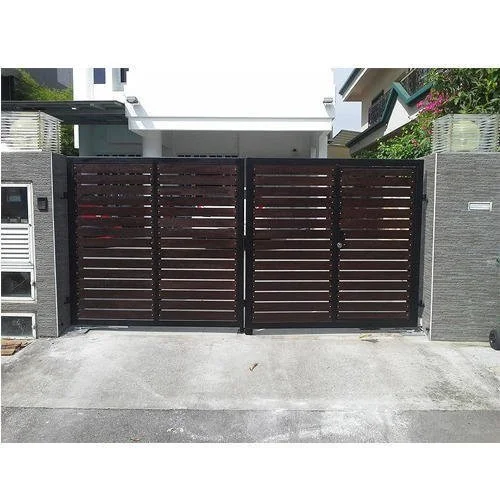
More than just an entry point, a well-designed residential fence gate adds functionality, safety, and curb appeal.
A residential fence defines property boundaries, enhances privacy, and elevates a home's overall look. Yet, one often-overlooked feature can make or break the design—the gate. More than just an entry point, a well-designed residential fence gate adds functionality, safety, and curb appeal. It’s the feature guests interact with first and the element that blends design with daily use.
Choosing the right gate requires more than picking a style that looks good. Homeowners must consider materials, space, security, and the property’s layout. Working with a professional fencing company ensures your gate isn’t just visually appealing but structurally sound, durable, and suited to local conditions.
The Role of Gates in Residential Fence Design
Every fence serves a purpose, but the gate determines how accessible and secure your property truly is. A properly designed gate balances practicality and beauty, creating harmony between form and function. When installed correctly, it offers easy access, keeps children and pets safe, and complements the surrounding landscape.
Professionally designed residential fence gates also help maintain long-term performance. Unlike DIY gates that may warp, sag, or misalign over time, a professionally installed gate remains sturdy, aligned, and efficient year-round.
Standard Gates for Everyday Access
The most common option for residential properties is the standard single-door gate. It’s simple, effective, and typically blends seamlessly with the fence’s design. A well-built standard gate mirrors the fence’s material—whether it’s wood, vinyl, composite, or metal—and aligns in height and style for a cohesive appearance.
A professional installer ensures the latch, hinges, and framing are properly aligned and reinforced. Gates should close securely, open smoothly, and include a reliable latching mechanism positioned for convenience and safety. Typically, the latch is placed at a height inaccessible to young children but still easy for adults to reach.
A high-quality standard gate installed by a fencing professional adds both value and peace of mind, offering dependable performance for years with minimal upkeep.
Specialty Gates that Combine Style and Innovation
Some homeowners want more than basic access. Specialty gates elevate a fence’s design and often integrate automation or unique architectural details. These gates are ideal for driveways, side entries, or decorative entryways.
Swing Gates
Swing gates open inward or outward on hinges, available in single or double-door styles. They’re classic, cost-effective, and elegant—perfect for driveways or front entrances. However, swing gates require clearance space, making them better suited for properties with open yards or long driveways. Professional installers ensure smooth movement and precise leveling to prevent sagging.
Sliding and Cantilever Gates
Sliding gates operate along a track or rail, making them ideal for properties with limited space. Cantilever gates, on the other hand, glide on rollers attached to posts rather than tracks, making them perform well in areas where debris, snow, or gravel could block a ground track.
Both options can be automated for hands-free operation, offering added convenience and modern appeal. Cantilever gates are especially beneficial for climates prone to freezing temperatures, as they eliminate the risk of ice buildup in ground rails.
Double Gates
When homeowners need wider access—such as for lawn equipment, trailers, or vehicles—a double gate is the best solution. Two gate panels open from the center, creating a generous opening while maintaining the fence’s symmetry. Professionals reinforce double gates with stabilizing posts and durable hardware to prevent misalignment over time.
Matching Gate Design to Fence Material
The gate should look like a natural extension of the fence, not an afterthought. Professional installers guide homeowners through matching materials and finishes for a cohesive, polished appearance.
Wood Gates: Timeless and customizable, wood gates can feature board-on-board, shadow box, or decorative cutout patterns. Professionals treat and seal the wood to resist weathering and prevent warping.
Vinyl Gates: Low-maintenance and durable, vinyl gates resist rot and fading. They’re perfect for regions with high humidity or frequent rainfall.
Aluminum and Steel Gates: Sleek and secure, these gates add sophistication and require minimal maintenance. Powder-coated finishes protect against rust and fading.
Composite Gates: Combining the natural look of wood with synthetic resilience, composites are an eco-friendly, long-lasting option that resists moisture and pests.
The right material depends on climate, budget, and desired maintenance level—factors a local fencing company can evaluate during a consultation.
Prioritizing Safety and Security
While aesthetics matter, safety and security are top priorities for any residential fence gate. Gates near pools, ponds, or public walkways should comply with local building codes and include self-closing, self-latching mechanisms. Gates designed for privacy should be tall enough to deter entry, while decorative gates should still provide strength and stability.
For families with pets or children, installers can add features like dual latches, narrow picket spacing, or key-lock systems. In high-security areas or gated driveways, automated gates with keypad or remote access systems offer both protection and convenience.
Climate and Terrain Considerations
Local conditions heavily influence the appropriate gate type. In regions with heavy rainfall or high humidity, choosing materials that resist rust and rot is essential. Arid climates benefit from UV-protected finishes that resist fading and cracking. Uneven terrain or sloped driveways may require customized gate adjustments, which professional installers can engineer to fit seamlessly.
Local fencing experts understand these nuances better than national chains. They know how soil, temperature, and seasonal weather affect gate alignment and durability—ensuring successful installation in every neighborhood.
Maintenance and Longevity
The longevity of a residential fence gate largely depends on proper installation and periodic maintenance. Professionally installed gates require less upkeep thanks to reinforced hinges, weather-sealed joints, and correctly balanced weight distribution.
Simple maintenance steps—like occasional cleaning, lubrication, or hinge tightening—help extend a gate’s lifespan. Many fencing companies also offer scheduled inspections to catch potential issues before they become costly repairs. Regular professional attention keeps your gate operating smoothly for decades.
The Importance of Professional Installation
Installing a gate might seem straightforward, but precision matters. Misaligned posts, uneven hinges, or inadequate support can lead to sagging, binding, or latching problems. Professional installers use specialized tools and leveling techniques to prevent these issues.
Hiring a local fence company ensures compliance with regional codes, HOA guidelines, and permit requirements. It also ensures proper anchoring and alignment, maintaining aesthetic consistency and structural integrity. Professionals can even integrate your gate with existing security systems or smart home technology.
Local Style and Regional Appeal
Every region has its own design preferences and architectural trends. Gates that complement the local aesthetic tend to enhance property value and neighborhood appeal. In some areas, wrought-iron gates with ornamental patterns suit historic homes, while modern horizontal-slatted gates suit contemporary builds.
A professional fencing contractor can recommend styles that harmonize with both your home and local design culture. This attention to regional style not only boosts visual appeal but can also improve resale value when it’s time to sell.
Eco-Friendly and Sustainable Gate Choices
Homeowners increasingly prefer eco-friendly materials that align with sustainable living. Gates made from recycled composite boards, responsibly sourced wood, or powder-coated metals offer long-lasting, environmentally conscious solutions. Many professional fence companies now specialize in sustainable options that reduce waste and environmental impact while maintaining premium quality and appearance.
Choosing a Gate That Complements Your Home
A residential fence gate is more than an access point—it’s the signature feature that ties security, design, and convenience together. Whether you’re upgrading an existing gate or installing a new one, working with a local fencing professional ensures your investment looks beautiful and functions flawlessly.
From standard walk-through gates to elegant automated systems, every detail matters. A well-crafted gate enhances your property’s personality, protects your family, and stands strong through the years. Partnering with a trusted local installer guarantees you receive expert craftsmanship, quality materials, and the perfect blend of form and function.
Residential Fence Gate FAQs
What is the most durable material for a residential fence gate?
Aluminum and steel gates are among the most durable, offering strength and resistance to rust. Vinyl is also a long-lasting, low-maintenance option for many climates.
Should my gate match my fence exactly?
Ideally, yes. Matching materials, height, and color creates a unified appearance. However, a contrasting gate design can work if done intentionally and professionally.
How wide should a residential fence gate be?
A standard pedestrian gate is typically 3 to 4 feet wide, while double or driveway gates range from 10 to 16 feet, depending on vehicle access needs.
Can I automate my residential gate?
Yes. Professional installers can add automation systems for swing or sliding gates, including keypad entry, remote operation, or smart home integration.
How much does it cost to install a residential fence gate?
Costs vary by size, material, and complexity. Working with a local fencing company provides accurate pricing and ensures compliance with regional standards.
Do gates require regular maintenance?
Minimal maintenance is needed when installed by professionals. Regular inspection, cleaning, and occasional lubrication will keep your gate performing smoothly.
Are there specific codes for pool or yard gates?
Yes. Many areas require self-closing, self-latching gates with specific height and spacing standards for pool safety. Your local installer can ensure compliance.
Which gate style suits my region’s weather conditions?
Coastal or humid areas benefit from rust-resistant aluminum or vinyl, while arid climates suit UV-protected materials like composite or treated wood.
How do I choose the right gate installer near me?
Look for licensed local contractors with strong customer reviews, experience in your area, and clear warranty options.
Do local companies offer warranties for residential gates?
Most professional installers offer warranties covering materials and workmanship for 10–20 years, providing long-term peace of mind.
