
Types of Fences for a Home
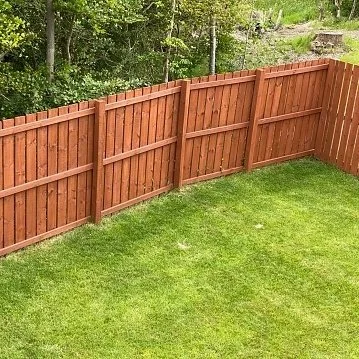
The right fence can make a property safer, quieter, and more attractive.
A fence is far more than a decorative boundary. It defines property lines, provides privacy, keeps pets secure, and enhances a home’s character. The right fence can make a property safer, quieter, and more attractive. From the professional installer’s perspective, it’s one of the smartest investments a homeowner can make—both for functionality and long-term value.
Every home and landscape has unique needs, and choosing the right fence requires balancing aesthetics, maintenance, cost, and durability. A good fence should handle local weather conditions, complement the home’s design, and deliver consistent performance year after year.
The following guide explains the most common residential fence types, how they differ, and how a professional installation service helps homeowners select and maintain the perfect fence for their property.
The Purpose Of A Fence
Before selecting materials or designs, define what the fence should accomplish. Some homeowners want privacy from neighbors, while others want to keep children and pets safe. A fence provides wind protection, deters intruders, or frames a beautiful garden.
Understanding the purpose of the fence ensures it’s designed for its intended role. For instance, a tall, solid fence is ideal for privacy, while an ornamental metal fence enhances curb appeal without blocking visibility. Chain-link fences, meanwhile, provide security at a lower cost for large yards.
A professional installer helps clients determine the correct fence height, placement, and material to achieve both beauty and performance.
Wood Fences
Wood remains one of the most popular fencing materials because it blends naturally with outdoor surroundings. It offers a timeless charm, making it suitable for both traditional and modern homes. Homeowners can customize the height, color, and pattern, choosing between styles such as picket, board-on-board, shadowbox, or horizontal plank.
Cedar and redwood are favorites for their natural resistance to decay and insects, while pressure-treated pine offers an affordable, long-lasting alternative when sealed properly. A well-maintained wooden fence can last 15 to 20 years or more.
However, wood requires consistent upkeep. Without sealing, painting, or staining, it may fade, crack, or warp. Regular maintenance every few years keeps wood fences strong and beautiful. As professionals, we ensure that posts are installed above grade and properly sealed to avoid rot caused by soil moisture.
Vinyl Fences
Vinyl fencing has gained popularity among homeowners seeking durability without heavy maintenance. It doesn’t rust, peel, or attract termites, and it withstands harsh weather conditions better than wood.
Vinyl fences are available in multiple colors, designs, and textures—including options that mimic natural wood grain. They require no painting or staining and only occasional washing to stay clean. A properly installed vinyl fence can last several decades with minimal upkeep.
The key to longevity is precise installation. Each post must be perfectly plumb, and panels should account for thermal expansion and contraction. Our team uses specialized anchoring systems and UV-resistant materials to prevent sagging or discoloration over time.
While vinyl has a higher upfront cost than wood, the savings on maintenance make it an excellent long-term investment for homeowners seeking hassle-free fencing.
Aluminum Fences
Aluminum fences combine modern aesthetics with strength and simplicity. They offer the refined look of wrought iron without the weight or corrosion issues. Powder-coated finishes make them exceptionally resistant to rust, fading, and chipping.
Aluminum fencing is ideal for homeowners who want elegance and minimal maintenance. It’s commonly used around pools, gardens, or front yards where visibility and design matter. Aluminum’s lightweight structure also makes installation faster and easier, which helps reduce labor costs.
While aluminum fences don’t provide full privacy, they excel in style and longevity. They can be customized with various picket tops, decorative rails, or ornamental scrolls. For homeowners who value visual appeal and low maintenance, aluminum is one of the most dependable options available.
Wrought Iron And Steel Fences
Wrought iron and steel fences deliver unmatched strength and sophistication. Known for their decorative patterns and imposing structure, they provide both beauty and security. These materials are ideal for properties needing enhanced protection without compromising aesthetics.
Professional installation is crucial because wrought iron and steel are heavy materials. Posts must be set deep in concrete, and proper coatings are essential to prevent corrosion. Powder coating or galvanizing extends the lifespan significantly and keeps the metal looking new.
While these fences cost more than vinyl or wood, their longevity and curb appeal make them a worthwhile investment. Many homeowners choose wrought iron for driveways, entryways, or as a focal point in landscape design.
Chain-Link Fences
Chain-link fences are among the most practical and cost-effective options for residential properties. Made from interwoven galvanized steel wire, they provide security and durability at an affordable price.
Though not as decorative as other materials, chain-link fences are ideal for enclosing large areas such as backyards, gardens, or play zones. They require minimal maintenance and resist corrosion when properly coated.
Privacy slats, mesh inserts, or vinyl coatings can improve the appearance and provide moderate visual screening. Professional installation ensures the fence remains taut, aligned, and resistant to sagging over time.
Composite And Alternative Materials
Composite fencing blends recycled wood fibers and plastic polymers, offering the appearance of wood without the need for constant upkeep. It’s resistant to rot, fading, and insect damage, making it a smart, eco-friendly option.
Other specialty fencing materials include bamboo, stone-faced panels, and living fences made of dense shrubs or hedges. These alternatives are often chosen for their aesthetic uniqueness and environmental appeal. A professional installer evaluates site conditions and structural needs to ensure these specialized materials perform reliably.
How To Choose The Right Fence Type
Selecting the right fence goes beyond personal taste. As professional fence installers, we guide clients through several key considerations to ensure their fence is both functional and durable.
Purpose: Privacy, security, containment, or decoration—each requires different materials and designs.
Maintenance: Homeowners who prefer minimal upkeep should consider vinyl or aluminum. Those who don’t mind periodic work may prefer wood.
Budget: Chain-link is the most affordable, while wrought iron and composite options are premium investments.
Climate: In hot, humid, or coastal areas, corrosion-resistant materials such as vinyl, aluminum, or composite are best.
Style: The fence should complement the home’s architecture and neighborhood setting.
Local Rules: Many communities have regulations on fence height, materials, and placement. Professional installers ensure compliance to avoid costly violations.
Our process includes a thorough site assessment, soil evaluation, and layout planning before installation begins. Each fence we build is engineered for long-term performance and safety.
Regional Factors Affecting Fence Longevity
Climate plays a major role in how long a fence lasts. Hot sun, heavy rain, strong winds, or salt in the air can all shorten a fence’s lifespan if the wrong materials are used.
In humid regions, moisture encourages rot in wood and corrosion in metal. Vinyl and aluminum resist these conditions better.
In dry, high-sun areas, UV rays can cause fading and cracking; therefore, UV-stabilized materials and coatings are essential.
Cold climates with freeze-thaw cycles can shift soil and loosen posts, which is why deeper foundations and proper drainage are necessary.
Windy areas demand reinforced posts and cross-bracing for stability.
By tailoring materials and installation methods to regional conditions, we ensure every fence stands the test of time.
Benefits Of Professional Fence Installation
While DIY fence kits are available, professional installation guarantees precision, compliance, and longevity. A fence is only as strong as its foundation, and even minor errors—like uneven post spacing or improper anchoring—can lead to leaning, sagging, or collapse.
Our team follows a detailed process:
We perform on-site measurements and soil testing to determine the correct post depth.
We handle permitting and property line verification to ensure compliance with local regulations.
Posts are set in reinforced concrete, using drainage techniques to prevent water accumulation.
Gates and hinges are aligned for smooth, reliable operation.
The finished installation is inspected for level alignment, stability, and overall appearance.
Professional installation not only enhances the fence’s appearance but also maximizes its lifespan. It prevents costly repairs, maintains warranty eligibility, and adds long-term value to the property.
Maintenance Tips For Longevity
Even the most durable fence benefits from occasional maintenance. Regular cleaning, inspections, and minor touch-ups can prevent larger issues from developing.
Wood fences should be resealed or repainted every few years.
Vinyl fences need periodic washing with mild soap and water.
Metal fences require inspection for rust, with touch-up paint as needed.
Chain-link fences should be tightened periodically to prevent sagging.
We recommend homeowners schedule professional inspections once a year. These evaluations catch early signs of wear—loose posts, rust spots, or shifting soil—and keep the fence performing as intended.
Fence Material and Installation FAQs
What is the most durable type of fence?
Metal and vinyl fences typically last the longest. Aluminum resists corrosion, and vinyl withstands moisture without decaying.
How long will a wood fence last?
With proper installation and regular maintenance, a wood fence can last 15 to 20 years or longer, depending on the climate and wood type.
How tall should a residential fence be?
Privacy fences are usually six feet tall, while front yard or decorative fences are often three to four feet high.
Can I mix materials in my fence design?
Yes. Many homeowners combine wood and metal or use composite panels within aluminum frames for strength and style.
What is the best low-maintenance fence option?
Vinyl and aluminum require the least upkeep. Both resist weathering and retain their appearance for years.
Do I need a permit to install a fence?
In most areas, fences above a certain height or built near property lines require a permit. Professional installers handle the permit process.
What causes a fence to lean?
Shallow post holes, poor drainage, and shifting soil are the main causes. Proper post depth and concrete reinforcement prevent leaning.
How much does fence installation cost?
Cost depends on the material, length, and site conditions. Chain-link is the most affordable, while wrought iron and composite fences are higher-end investments.
How often should my fence be inspected?
Once a year is ideal. Regular inspections help detect early signs of damage before they require expensive repairs.
Which fence material is best for coastal climates?
Aluminum, vinyl, and composite perform best near coastal areas because they resist rust and moisture damage.
