
Your Quick Guide to Choosing a Low-Maintenance Fence
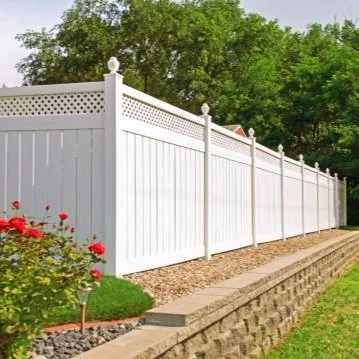
While a traditional wood fence can look charming, spending weekends sanding, staining, or repainting is less appealing.
For many homeowners, a fence is more than a boundary line — it’s a statement about security, style, and how much time they want to spend maintaining their property. While a traditional wood fence can look charming, spending weekends sanding, staining, or repainting is less appealing. That’s why more property owners today are turning to a low-maintenance fence. It’s the smarter, longer-lasting solution for those who want beauty, privacy, and peace of mind without constant upkeep.
As a professional fence installation company, we understand the importance of choosing the right material and installation method for lasting performance. A low-maintenance fence isn’t just about convenience; it’s about long-term value, durability, and enjoying your space without endless repairs. This guide breaks down what makes a fence truly low-maintenance, compares materials, and explains how professional installation and regional factors help keep your fence looking sharp for decades.
Why Low Maintenance Matters
A fence is an investment. It provides privacy, marks property lines, keeps pets safe, and adds curb appeal. But it also has to endure everything the environment throws at it: sun, rain, wind, and time. Choosing a low-maintenance fence means reducing the time and money spent on repainting, cleaning, and replacing parts — all while maintaining a beautiful appearance year after year.
From our experience serving homeowners, we find that the number one regret after a fence installation is choosing a high-maintenance material for a low-maintenance lifestyle. The right choice upfront saves frustration later.
Low-maintenance fences offer:
Long lifespan and durability
Resistance to rot, rust, and insects
Minimal cleaning requirements
Lower lifetime repair costs
Consistent appearance without repainting or staining
Whether you live in a hot, sunny climate or an area with constant moisture, investing in the right low-maintenance fence ensures both functionality and curb appeal with minimal effort.
What Makes a Fence “Low Maintenance”?
A low-maintenance fence is designed to withstand weather, pests, and everyday wear without requiring constant attention. The secret lies in the material, installation technique, and protective finishes used. When choosing a fence, homeowners should consider how each factor affects long-term upkeep.
Professionally installed fences take these elements into account:
Durable materials that resist corrosion, fading, and decay.
Protective coatings or powder finishes that prevent rust and UV damage.
Proper anchoring and alignment to prevent leaning or sagging over time.
High-quality hardware that stands up to the elements.
Regional customization, since what works in a dry climate may not perform as well in a humid one.
By combining the right materials with expert craftsmanship, a professional installer ensures your fence lasts decades — not just years.
Common Fence Materials Ranked by Maintenance Needs
Vinyl Fences
Vinyl is the reigning champion of low-maintenance fences. It’s durable, weather-resistant, and retains its color for decades. Because it doesn’t absorb moisture, vinyl won’t warp, crack, or peel. You won’t need to paint, stain, or seal it. Cleaning is as simple as rinsing with a hose once or twice a year.
Vinyl fences also come in a variety of styles — from privacy panels to decorative picket designs — and can mimic the appearance of wood without the upkeep. Since the color is baked into the material during manufacturing, it never fades or chips, even under intense sunlight.
Professional installation is key. Proper anchoring ensures stability, while accounting for temperature expansion prevents warping or panel separation. With correct installation, a vinyl fence can last 30 to 50 years with minimal care.
Aluminum Fences
Aluminum fencing is a sleek, durable option that offers the elegance of wrought iron without the maintenance burden. The material is naturally rust-resistant, and when powder-coated, it becomes almost impervious to corrosion. This makes it ideal for regions with high humidity or near-coastal environments, where salt can be a problem for steel fences.
Because aluminum is lightweight, it’s easier to install, requiring less labor and less stress on hinges and posts. Cleaning is simple — wash it with water and mild soap. Homeowners appreciate aluminum’s long-lasting finish, minimal upkeep, and stylish design flexibility.
For homeowners who want low maintenance with a touch of luxury, aluminum fencing checks all the boxes.
Steel and Wrought Iron Fences
Wrought iron and steel are classic materials known for their strength and timeless look. However, older iron fences often required frequent sanding and painting to prevent rust. Today, modern powder coating and galvanization techniques have transformed metal fencing into a relatively low-maintenance choice — provided it’s installed correctly.
High-quality finishes prevent oxidation, and when combined with professional installation that includes moisture drainage at the base of posts, these fences can last for decades. Occasional cleaning and inspection for scratches or chips are all they need.
For homeowners looking for elegance and security, wrought iron delivers both — with surprisingly manageable upkeep thanks to modern protective coatings.
Chain-Link Fences
Chain-link fences are among the most practical, budget-friendly, and low-maintenance options available. Made from galvanized steel wire, they’re resistant to weather, insects, and decay. Adding a vinyl or powder coating improves their resistance to rust and gives them a more polished appearance.
Maintenance is minimal. Occasionally, check for loose fittings, rust spots, or debris buildup. Cleaning is quick with a hose or brush. Chain-link fences are excellent for large properties, pet enclosures, or side yards where functionality matters more than decoration.
When installed by professionals, chain-link fences can last 20 to 30 years with very little maintenance.
Composite Fences
Composite fences are made from a blend of recycled wood fibers and plastic polymers, combining the natural look of wood with the resilience of synthetic materials. They resist rot, fading, and insect damage — all without painting or staining.
These fences can be designed in various colors and textures that resemble natural wood grain. While the upfront cost may be higher than wood, the lifetime savings on maintenance make composite fencing a great investment.
Composite materials also hold up exceptionally well in harsh weather, making them an ideal choice for homeowners who want a sophisticated look without frequent maintenance.
Wood Fences
Wood may not be the first material that comes to mind for a low-maintenance fence, but some species perform better than others. Cedar and redwood naturally resist decay and insects, while pressure-treated pine offers an affordable balance of longevity and durability.
Still, even the best wood fence requires periodic sealing or staining to maintain its appearance and strength. Homeowners who love the natural warmth of wood must be prepared for more upkeep than vinyl or composite.
However, when installed by professionals using high-quality lumber, proper drainage, and solid footings, a wood fence can last well beyond 15 years. For clients who want traditional charm, we offer maintenance plans to keep wooden fences in top condition with minimal effort.
Local Conditions That Influence Fence Maintenance
Your local environment plays a major role in how much maintenance your fence needs. Hot, sunny climates may cause materials to fade faster. In humid regions, moisture can lead to rot or rust. Coastal areas require corrosion-resistant materials, while high-wind zones need stronger post reinforcement.
Professional installers take these conditions into account when recommending materials. For instance, in areas with heavy rain or high humidity, vinyl or aluminum fences perform exceptionally well. In dry, sunny environments, UV-protected coatings help preserve color and finish.
We tailor each installation to the region’s soil type, moisture levels, and weather patterns — ensuring a fence that’s not just low-maintenance but also locally resilient.
Installation Quality: The Key To True Low Maintenance
Even the best fence material can fail if not installed correctly. Improper post depth, poor drainage, and unbalanced panels can all lead to premature wear. As professionals, we emphasize that low maintenance starts with precise installation.
Our process includes:
Site inspection and soil evaluation
Post holes set to proper depth with concrete anchoring
Drainage planning to prevent water buildup
Alignment checks for level and spacing accuracy
Durable, weather-rated hardware and fasteners
Gate calibration for smooth movement and long-term performance
A low-maintenance fence isn’t just about material choice — it’s about installation craftsmanship. When done professionally, it reduces the need for repairs and extends the lifespan of your investment.
Cost Considerations Over Time
While low-maintenance fences may have higher upfront costs, they save significantly in the long run. Wood fences often require repainting or sealing every few years, while vinyl and aluminum remain virtually maintenance-free for decades. When you consider the costs of paint, tools, labor, and time, the savings become clear.
A vinyl or aluminum fence typically pays for itself within the first decade compared to a high-maintenance wood fence. Factor in peace of mind, fewer repairs, and a consistently clean look, and it’s easy to see why low-maintenance fencing has become the modern homeowner’s choice.
Professional Fence Installation vs. DIY
Installing a fence may seem straightforward, but small mistakes — uneven posts, poor soil compaction, or shallow footings — can lead to major problems later. A professional fence installation company ensures every aspect meets industry standards and local regulations.
Our professional services include design consultations, permit guidance, and quality assurance. We also provide post-installation support, offering annual inspections to identify early signs of wear. Choosing experts not only guarantees a stronger, straighter fence but also protects your warranty and reduces future expenses.
Frequently asked questions
What type of fence needs the least maintenance?
Vinyl fences are the most popular choice for minimal maintenance, followed closely by aluminum and composite fencing.
How long does a low-maintenance fence last?
Depending on material and installation, vinyl and aluminum fences can last 30 to 50 years, while composite fences typically last 25 to 35 years.
Do low-maintenance fences come in different styles?
Absolutely. They’re available in privacy panels, decorative picket fences, and ornamental designs to match your home’s architecture.
Can I install a low-maintenance fence on uneven terrain?
Yes. Professional installers use racking or stepped designs to accommodate slopes while maintaining strength and aesthetics.
Is a low-maintenance fence more expensive?
Upfront costs can be higher, but the reduced maintenance and longer lifespan make it more economical over time.
How do local weather conditions affect fence maintenance?
In humid or coastal regions, corrosion and moisture can be concerns. Choosing vinyl, composite, or aluminum ensures longevity in these environments.
Do I need to repaint or reseal a low-maintenance fence?
No. Materials like vinyl and aluminum are designed to keep their color and finish without repainting or sealing.
Can professionals help me pick the best material for my area?
Yes. We evaluate your property’s condition, style preferences, and budget to recommend the best low-maintenance solution for your specific region.
Do low-maintenance fences increase property value?
Yes. Buyers appreciate fences that look new and require minimal upkeep, boosting both curb appeal and resale potential.
What’s the easiest fence to clean?
Vinyl is the easiest — a simple rinse or wipe-down once or twice a year keeps it spotless.
