
Chain Link Fencing for Sports Facilities: Best Practices for Fields, Courts, and Backstops
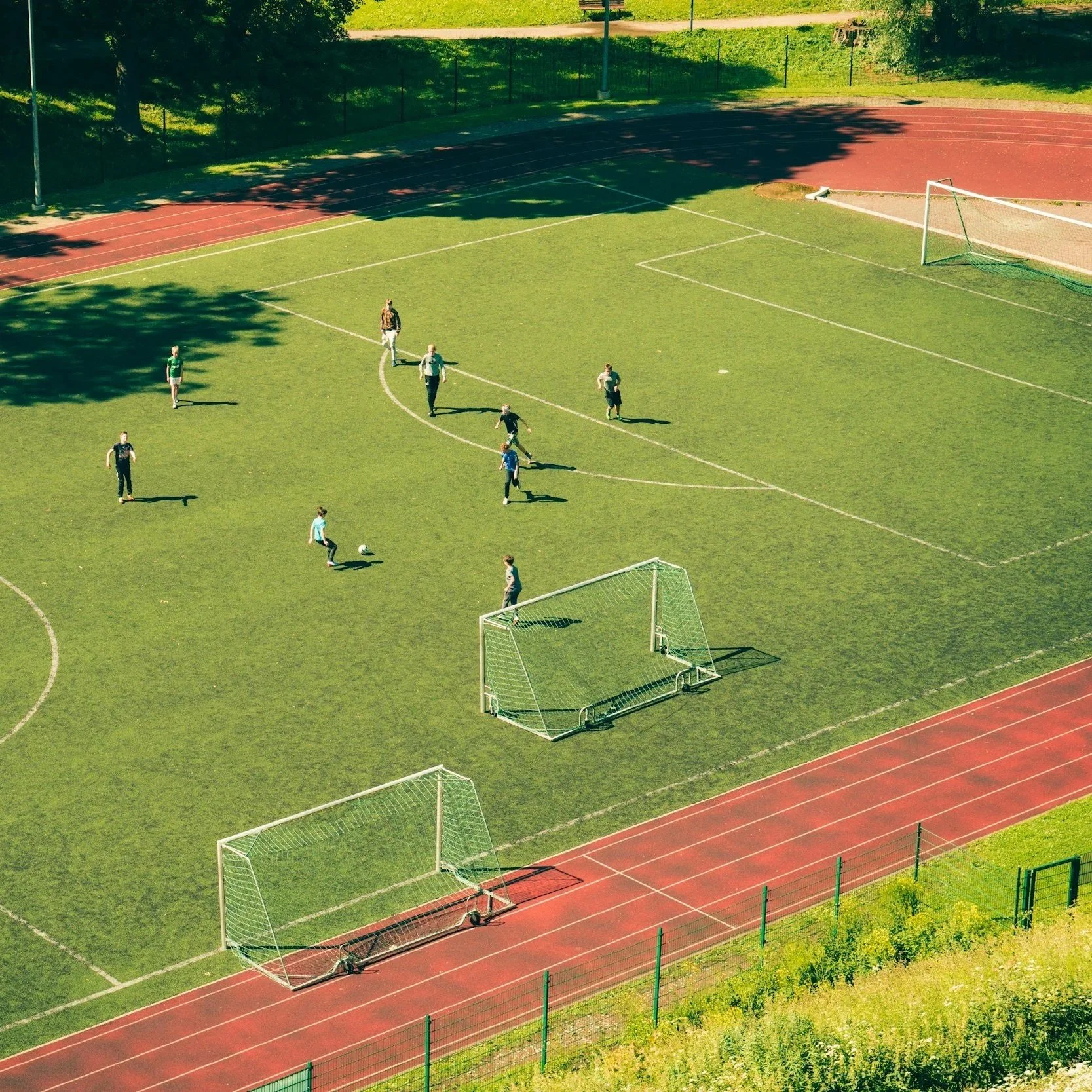
Properly designed fencing supports game flow while quietly managing risk in the background.
Chain link fencing serves as an operational backbone for sports facilities rather than a simple perimeter feature. Athletic environments depend on fencing to guide movement, separate active play from spectators, and reduce interruptions caused by stray balls or unauthorized access. Properly designed fencing supports game flow while quietly managing risk in the background. Facility managers often notice fencing only when problems arise, which highlights how important thoughtful planning is at the start of a project. Professional chain link fencing solutions factor in athlete safety, visibility, durability, and long-term maintenance demands specific to sports use.
Chain Link Fence Requirements For Ball Fields
Baseball and softball fields place some of the highest demands on chain link fencing systems. High velocity balls, frequent impacts, and continuous public interaction require fencing that performs reliably under pressure. Outfield fences typically need increased height to contain home run balls and protect nearby areas, while infield fencing prioritizes controlled access points for players and officials. Backstop fencing must remain rigid despite repeated ball strikes and seasonal weather changes. Professional installers evaluate field dimensions, league requirements, soil stability, and wind exposure before recommending appropriate fence heights, wire gauge, and post spacing to support consistent performance.
Backstop Design That Balances Visibility And Protection
Backstops operate as the front line of protection between fast-moving pitches and spectators. Poorly designed backstops can create safety risks or obstruct views, which negatively affect the fan experience. High-quality backstops use heavier-gauge wire and reinforced posts to withstand constant impact without deforming or loosening. Visibility remains equally important, particularly for parents and fans seated behind home plate. Dark vinyl-coated chain link helps reduce glare and visual distraction, allowing spectators to follow the action while still benefiting from dependable protection.
Chain Link Solutions For Soccer And Multi-Use Fields
Soccer fields and multi-use athletic complexes demand flexible fencing solutions that adapt to varied sports and events. Balls travel long distances at high speeds, making containment along goal areas especially important. Sideline fencing often balances lower heights with strategic placement to maintain safety without restricting player runoff zones. Facilities hosting tournaments, practices, and community events benefit from fencing layouts that accommodate changing traffic patterns. Professional fencing plans account for dual-use requirements, allowing fields to transition smoothly between sports without compromising safety or accessibility.
Tennis And Pickleball Court Fencing Considerations
Tennis and pickleball courts rely heavily on properly installed chain link fencing to maintain uninterrupted play. Fence height consistency plays a major role in preventing ball loss and reducing downtime during matches. Courts located near walkways or adjacent play areas often require slightly taller fencing to protect bystanders. Gate placement also matters, as poorly positioned gates can interfere with game flow or create safety concerns. Professional court fencing installations focus on balanced tension, precise alignment, and durable finishes that tolerate constant contact and environmental exposure.
Basketball Court Perimeter Fencing Strategies
Outdoor basketball courts benefit from chain link fencing that clearly defines play areas while protecting nearby spaces. Fence height selection depends on court orientation, surrounding property, and expected ball trajectory. Courts near parking lots, streets, or playgrounds typically require taller fencing to prevent balls from leaving the area. Gate placement must support easy entry while avoiding interference with gameplay or pedestrian movement. Durable materials and secure post footings allow basketball court fencing to withstand frequent contact, leaning, and weather-related stress.
Material Selection for High-Impact Sports Environments
Material selection directly affects how well chain link fencing performs in athletic settings. Heavier gauge wire offers greater resistance to deformation from repeated ball impacts and player contact. Smaller mesh openings improve containment for fast-moving balls commonly seen in baseball, tennis, and soccer. Galvanized steel provides strong corrosion resistance, while vinyl-coated options add visual appeal and additional protection from environmental wear. Professional fencing providers help facilities select materials that balance durability, appearance, and budget while supporting long-term reliability.
Post Spacing And Structural Integrity
Post spacing plays a critical role in maintaining fence strength and appearance over time. Sports facilities generally require closer post spacing than residential installations due to higher stress levels. Properly sized concrete footings anchor posts securely and prevent shifting caused by soil movement or repeated impact. Experienced installers assess soil composition, drainage conditions, and expected usage patterns before setting posts. Strong foundations support consistent fence tension and reduce the risk of sagging or misalignment as the facility ages.
Gate Placement And Access Control Planning
Effective gate placement supports safe and efficient movement throughout sports facilities. Gates must align with natural traffic flow for players, coaches, officials, and maintenance staff. Poor gate placement often leads to congestion, safety concerns, or disruptions during events. Professional fencing layouts incorporate appropriately sized swing or slide gates designed for both daily use and emergency access. Heavy-duty hinges and latching hardware support frequent operation and reduce maintenance demands over time.
Safety Compliance And Facility Standards
Sports facilities often operate under strict safety guidelines set by leagues, school districts, and municipal authorities. Fence height requirements, setback distances, and material specifications vary depending on sport and level of play. Professional fencing contractors remain familiar with these standards and incorporate them into project planning. Addressing compliance early helps facilities avoid costly modifications or liability concerns later. Proper documentation and inspections support long-term confidence in the installation.
Durability in High-Traffic Sports Complexes
High-traffic sports complexes expose fencing systems to constant use, weather extremes, and equipment movement. Chain link fencing in these environments must tolerate repeated contact without loosening or corroding prematurely. Galvanized and vinyl-coated finishes protect against rust, particularly in regions with intense sun or seasonal moisture. Routine professional inspections help identify early signs of wear before they escalate into larger repairs. Durable installation methods reduce downtime and preserve the professional appearance of the facility.
Visual Integration With Facility Design
Modern sports facilities increasingly value aesthetics alongside performance. Chain link fencing can complement facility design through thoughtful color selection and uniform height profiles. Darker fencing colors blend naturally with turf and court surfaces, minimizing visual distraction. Consistent fencing styles across multiple fields create a cohesive and professional look that visitors appreciate. Experienced fencing professionals help facilities achieve visual consistency without sacrificing structural integrity.
Long Term Maintenance Planning
Ongoing maintenance supports consistent fence performance and safety. Sports facilities benefit from scheduled inspections, tension adjustments, and hardware evaluations throughout the year. Addressing minor issues early prevents unexpected failures during peak seasons. Professional maintenance services extend the lifespan of chain link fencing and support budget predictability. A proactive maintenance plan keeps facilities operating smoothly across multiple sports cycles.
Professional Installation Versus General Contracting
Sports facility fencing involves complexities that differ significantly from standard perimeter projects. Ball impact zones, athlete safety considerations, and spectator visibility demand specialized expertise. Professional fencing contractors bring experience with sports-specific layouts, materials, and installation techniques. General contractors may overlook details that affect performance under athletic use. Choosing experienced fencing professionals supports reliable results and fewer long-term issues.
Weather And Environmental Considerations
Environmental conditions influence fencing performance more than many facility managers expect. Wind exposure, temperature swings, and soil conditions affect fence tension and stability. Facilities in areas with strong seasonal winds require reinforced posts and carefully planned wind screen integration. Sun exposure can accelerate material aging without proper coatings. Professional planning accounts for local conditions to support consistent performance year-round.
Planning For Future Facility Expansion
Many sports facilities evolve over time as programs grow or new sports are introduced. Chain link fencing layouts should allow for future expansion without major reconstruction. Modular gate systems and adaptable fence alignments support phased development. Professional installers help facilities plan ahead, reducing future disruption and expense. Forward-thinking design supports long-term flexibility.
Frequently Asked Questions About Chain Link Fencing for Sports Facilities
what height chain link fence works best for baseball backstops?
The ideal backstop height depends on field size, level of play, and seating configuration around home plate. Youth leagues typically require shorter backstops, while competitive and high school leagues benefit from taller fencing to improve safety and reduce foul ball interruptions. A professional evaluation helps balance visibility, protection, and overall field layout.
is vinyl-coated chain link a good choice for sports facilities?
Vinyl-coated chain link is a popular option for sports facilities because it offers added corrosion resistance and reduced glare under bright sunlight. Dark coatings improve sightlines for players and spectators while blending into athletic environments. The best material choice depends on climate, budget, and long-term appearance goals.
how often should sports facility fencing receive professional inspections?
Most sports facilities benefit from professional fence inspections at least once per year to maintain safety and performance. Additional inspections are recommended after severe weather or heavy tournament use, as impacts and tension changes can occur quickly. Regular evaluations help identify loose hardware, fabric damage, and structural issues early.
can chain link fencing support wind screens on tennis courts?
Chain link fencing can support wind screens when the system is properly designed for the added wind load. Post spacing, wire gauge, and attachment methods must be selected carefully to prevent excessive movement or stress. Professional installation ensures durability and consistent court conditions.
do sports facilities need permits for chain link fencing projects?
Permit requirements for sports facility fencing vary by municipality and facility type. Public parks and school facilities often require permits, inspections, and compliance with specific safety standards. Working with experienced fencing professionals helps streamline the permitting process and avoid project delays.
Sereno Custom Fence & Gates offers a complete, one-stop solution for professional residential fence services in the Phoenix area, including chain link fences, composite fences, and aluminum fences to temporary fences. Our experienced team uses high-quality materials to create durable, stylish, and secure fencing with a focus on protection, curb appeal, and long-term performance. Whether you need a custom fence installation or temporary fencing solutions, we provide timely, reliable service and trusted results. Schedule your fence project today and enjoy a beautiful, secure property.
