
Chain Link Fence Height Guide: How Tall Should You Go for Security vs. Safety?
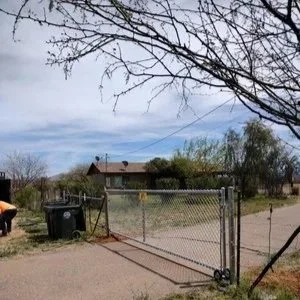
Professional fence planning treats height as a strategic decision tied directly to risk level and daily activity.
Chain link fencing remains a staple for commercial properties because it balances strength, visibility, adaptability, and cost control. While material quality and installation often get most of the attention, fence height plays an equally important role in how well a chain link system performs. Height influences security, safety, traffic visibility, code compliance, maintenance demands, and even how people behave around the property. Choosing a fence that is too short can leave assets exposed, while choosing one that is unnecessarily tall can create safety issues, visual barriers, and regulatory headaches. The right height depends on how the fence will actually be used, not on a one-size-fits-all standard.
Professional fence planning treats height as a strategic decision tied directly to risk level and daily activity. Loading yards, parking areas, pedestrian corridors, and equipment zones all place different demands on fencing. Understanding how height affects security and safety allows commercial property owners to choose chain link fencing that protects assets without introducing new problems.
Why Fence Height Has A Bigger Impact Than Most Expect
Fence height sends immediate visual signals about access and restriction. Lower fencing suggests guidance and boundary definition, while taller fencing communicates limited access and increased security. People respond to these cues instinctively, often altering behavior without conscious thought. In commercial environments, that influence alone can reduce unauthorized access and unsafe shortcuts.
Height also affects how difficult a fence is to climb or breach. Taller fences increase time, effort, and visibility for intruders, which discourages opportunistic activity. At the same time, height influences visibility for drivers and pedestrians. Poorly chosen heights can block sightlines, increase accident risk, or violate local requirements.
In high-traffic areas like Phoenix, AZ, fence height must balance deterrence with operational safety. Professional evaluation considers vehicle movement, pedestrian behavior, and surrounding conditions rather than relying on maximum allowable height by default.
Common Chain Link Fence Heights And What They Are Used For
Commercial chain link fencing typically ranges from four feet to twelve feet, with each height serving a different purpose. Lower heights emphasize safety and organization, while taller heights focus on access restriction and asset protection.
Four-foot chain link fencing works well for guiding pedestrian movement, separating walkways from drive lanes, and protecting low-risk zones. It discourages casual crossing while preserving full visibility, which supports traffic safety and awareness.
Six-foot fencing represents a common standard for many commercial properties. It provides a clear physical barrier that deters casual intrusion without feeling overly restrictive. This height often appears along property perimeters, shared boundaries, and service areas where moderate security is sufficient.
Eight-foot fencing significantly increases deterrence and is commonly used around storage yards, loading docks, and equipment areas. Climbing becomes more difficult and time-consuming, especially when fencing is properly tensioned and supported by reinforced posts.
Ten-foot and twelve-foot fencing typically serves high-security applications such as industrial sites, utility yards, and facilities storing valuable or hazardous materials. These heights provide strong protection but require additional structural support and careful compliance review.
Security Considerations When Selecting Fence Height
Security-focused height selection aims to discourage unauthorized access rather than simply marking boundaries. Taller fencing increases difficulty and exposure for intruders, but height alone does not guarantee security. Construction quality, post spacing, and accessories influence effectiveness just as much.
Six-foot fencing deters casual trespassing but remains climbable for determined individuals. Eight-foot fencing presents a more substantial challenge and often meets security needs when paired with proper design. Heights beyond eight feet further reduce intrusion attempts, particularly in areas with low visibility or limited foot traffic.
Context matters. A fence bordering a busy street benefits from visibility and deterrence rather than extreme height. A fence enclosing a secluded storage yard may require greater height due to reduced observation. Professional planning matches height to exposure level rather than applying a uniform solution across the entire property.
Safety Implications Of Chain Link Fence Height
Safety considerations carry equal weight in fence height decisions. Taller fences can introduce hazards if placed incorrectly or designed without regard for movement patterns. Visibility becomes especially important near intersections, drive lanes, and pedestrian crossings.
Lower to mid-height fencing supports safety by guiding movement without blocking sightlines. Drivers can see approaching vehicles and pedestrians, and pedestrians remain visible when crossing paths. Excessively tall fencing near corners or entrances can obscure views and increase collision risk.
Emergency access also factors into safety planning. Fences that are too tall or lack appropriate access points can slow response during emergencies. Wind load represents another concern, particularly in Phoenix, AZ, where monsoon storms bring sudden gusts. Taller fences require stronger posts and deeper footings to remain stable under these conditions.
Balancing Security And Safety Through Smart Design
Effective chain link fencing balances security and safety through design rather than relying solely on height. Combining moderate height with targeted enhancements often delivers better results than excessive height alone.
For example, an eight-foot fence with angled security extensions provides greater deterrence than a plain ten-foot fence. Privacy slats reduce visibility into sensitive areas without increasing height. Anti-climb features discourage scaling while maintaining airflow and sightlines.
Placement matters just as much as height. Setting fences back from drive lanes preserves visibility. Using taller fencing only in high-risk zones allows other areas to remain open and safe. Professional planning treats height as one component of a broader system.
Code And Zoning Requirements Affecting Fence Height
Local regulations strongly influence allowable fence height. In Phoenix and Maricopa County, height limits vary based on zoning, fence location, and intended use. Front yard fencing often faces stricter limits than side or rear fencing due to visibility and streetscape concerns.
Commercial properties may qualify for taller fencing than residential sites, but restrictions still apply. Height limits near intersections often remain lower to preserve sight triangles. Security extensions may count toward total height and trigger permit requirements.
Ignoring these rules leads to costly corrections and delays. Professional contractors verify zoning and code requirements before finalizing height decisions, protecting both project timelines and long-term compliance.
Fence Height Needs Across Different Property Zones
Different areas of a commercial property benefit from different fence heights. Applying a single height everywhere often creates unnecessary issues.
Perimeter fencing frequently performs well at six to eight feet, balancing deterrence and visibility. Loading docks and storage yards often require eight feet or more due to asset value and access concerns. Employee areas and pedestrian corridors typically benefit from lower heights that guide movement without creating confinement.
Equipment enclosures may justify taller fencing due to theft risk, especially when valuable components remain outdoors. Evaluating each zone independently allows height to match function rather than habit.
How Height Affects Cost And Maintenance
Fence height influences both installation cost and long-term maintenance. Taller fencing requires heavier posts, deeper footings, and more material. Wind load increases with height, placing additional stress on components.
Maintenance demands also rise as height increases. Taller fences experience more movement under wind and require periodic tension adjustments. Repairs become more complex and costly as access becomes more difficult.
Choosing the tallest possible fence often increases ownership cost without delivering proportional benefit. Professional evaluation identifies the minimum height needed to meet security and safety goals effectively.
Visual Impact And Property Image
Fence height affects how a property feels to customers, tenants, and visitors. Excessively tall fencing can appear unwelcoming or overly industrial, particularly in retail or office settings. Lower or mid-height fencing supports openness while still providing function.
Vinyl-coated chain link reduces visual harshness at taller heights. Darker coatings blend better with surroundings and reduce glare. Landscaping integration can soften the appearance without compromising performance.
Fence height choices should align with brand image as well as security needs.
Integrating Height With Gates And Access Control
Fence height must align with gate height and access systems. Tall fences paired with shorter gates create weak points that undermine security. Gate design should match fence height and usage patterns.
Sliding and cantilever gates often accommodate taller fencing more effectively than swing gates, which require additional reinforcement. Access control components must integrate cleanly with gate design to avoid performance issues.
Professional design keeps fence height, gate height, and access technology working together rather than creating vulnerabilities.
Phoenix Climate Considerations For Fence Height
Phoenix weather influences how fence height performs over time. Heat expansion affects longer runs of fencing. Dust accumulation adds weight and friction. Monsoon winds place greater force on taller structures.
Professional installation mitigates these risks through deeper footings, proper tensioning, and reinforced posts. Height decisions that ignore climate behavior often lead to sagging, leaning, and premature failure.
When Taller Is Not Always Better
More height does not automatically mean better performance. In many cases, moderate height combined with thoughtful enhancements delivers superior results. Security depends on deterrence, delay, and detection rather than size alone.
A well-designed six- or eight-foot fence supported by lighting, visibility, and access control often outperforms a poorly planned ten-foot fence. Professional guidance helps property owners avoid overbuilding and focus on effective solutions.
The Value Of Professional Height Planning
Selecting the right chain link fence height requires balancing security, safety, compliance, cost, environment, and appearance. Professional contractors evaluate these factors together rather than in isolation.
Experienced planning identifies where height matters most and where lower profiles improve safety and usability. That precision reduces cost, improves performance, and supports long-term reliability.
Fence height decisions made early prevent costly changes later and create fencing systems that work as intended.
Sereno Custom Fence & Gates offers a complete, one-stop solution for professional residential fence services in the Phoenix area, including chain link fences, composite fences, and aluminum fences to temporary fences. Our experienced team uses high-quality materials to create durable, stylish, and secure fencing with a focus on protection, curb appeal, and long-term performance. Whether you need a custom fence installation or temporary fencing solutions, we provide timely, reliable service and trusted results. Schedule your fence project today and enjoy a beautiful, secure property.
