
Chain Link Fence Maintenance Checklist: Prevent Rust, Sagging, and Gate Failures
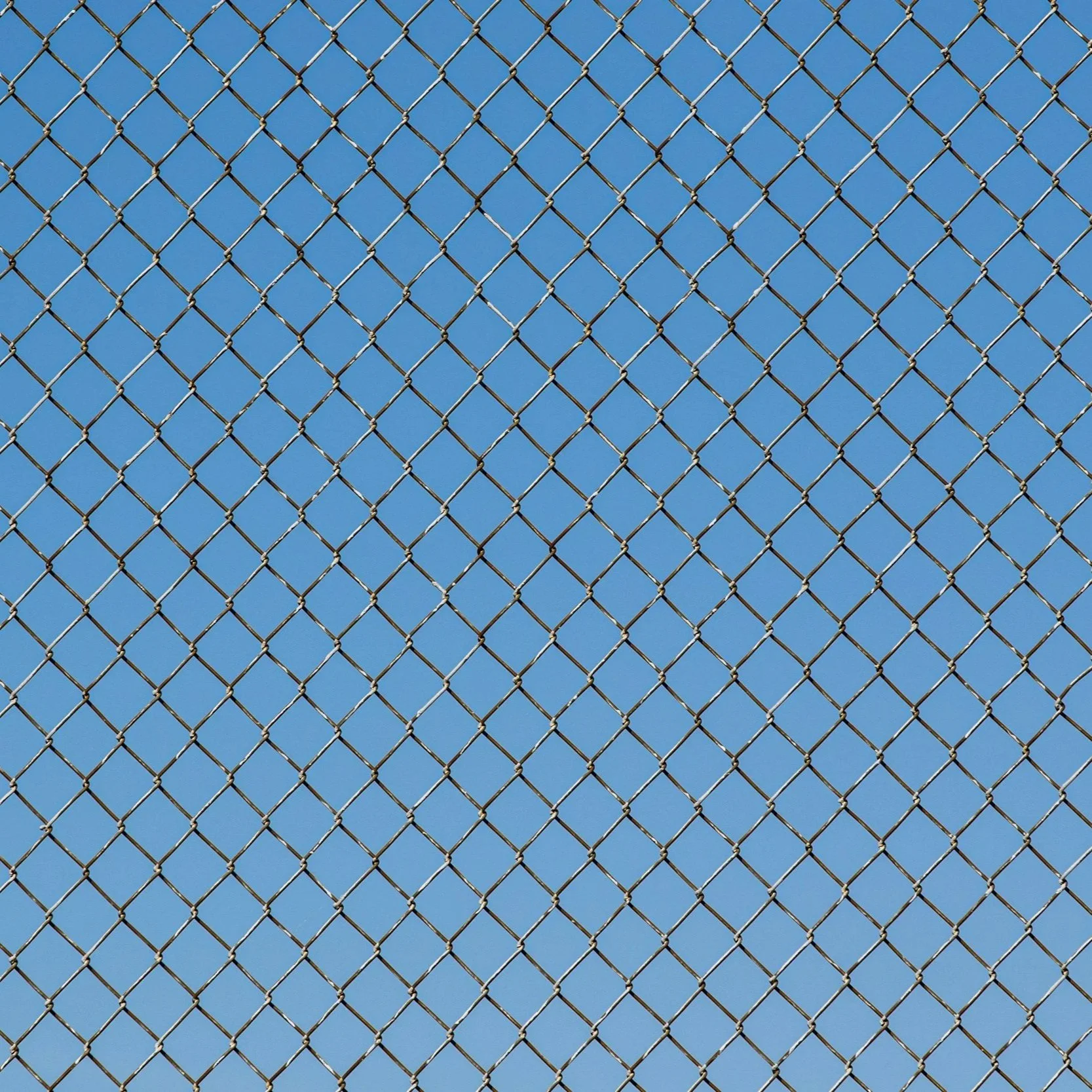
Preventive maintenance focuses on identifying early signs of deterioration before they evolve into structural failures or safety concerns.
Chain link fencing plays a critical role in protecting commercial properties, guiding traffic, and defining boundaries, yet it often receives attention only after problems appear. Rusted sections, sagging fabric, and malfunctioning gates rarely develop overnight. They result from gradual wear that goes unnoticed when inspections and maintenance fall behind. For commercial properties with constant vehicle movement, pedestrian traffic, and exposure to weather, routine maintenance becomes essential to preserving both performance and appearance.
Preventive maintenance focuses on identifying early signs of deterioration before they evolve into structural failures or safety concerns. In environments like Phoenix, AZ, where heat, dust, and seasonal storms accelerate wear, a consistent maintenance checklist helps property owners control costs, avoid disruptions, and extend the life of their chain link fencing systems.
Why Preventive Maintenance Matters For Chain Link Fencing
Chain link fencing remains durable by design, yet durability does not mean immunity to wear. Daily vibration from traffic, repeated gate operation, and environmental exposure slowly affect every component. When minor issues remain unaddressed, they compound, placing stress on adjacent parts and accelerating overall deterioration.
Preventive maintenance reduces long-term expense by replacing small components rather than entire sections. It also improves reliability. Gates that operate smoothly, fabric that stays tight, and posts that remain aligned support security and safety simultaneously. Regular maintenance further demonstrates responsible property management, which matters for liability protection, tenant satisfaction, and professional appearance.
For commercial properties, fencing often serves as the first physical impression visitors receive. Well-maintained fencing signals order, care, and security, while neglected fencing suggests disorganization or risk.
Inspecting Fence Fabric For Early Signs Of Failure
Fence fabric represents the most visible component of a chain link system and often shows the first signs of trouble. Maintenance inspections should begin by evaluating overall tension and alignment across the fence line. Fabric that sags between posts indicates loss of tension, post movement, or failed ties.
Sagging fabric places additional load on posts and rails, increasing the likelihood of bending or separation over time. Inspectors should look for stretched diamonds, uneven spacing, or fabric pulling away from rails. These signs often appear gradually and worsen if left uncorrected.
Broken wires and sharp ends also require attention. Damaged fabric compromises security and creates safety hazards for pedestrians and staff. Addressing small fabric repairs early prevents the need for full panel replacement later.
Checking For Rust And Corrosion Hotspots
Rust represents one of the most common long-term threats to chain link fencing, especially at connection points and ground-level areas. While galvanized and vinyl-coated fencing resist corrosion, damage to protective coatings allows moisture and contaminants to reach the steel beneath.
Maintenance checks should focus on weld points, ties, bottom rails, and post bases where moisture collects. In Phoenix, AZ, irrigation runoff and monsoon moisture often accelerate corrosion at ground level. Surface rust may appear cosmetic, but it signals coating failure that will spread if untreated.
Early rust treatment involves cleaning affected areas and applying protective coatings to seal exposed metal. Waiting until rust penetrates deeper into the steel often requires component replacement rather than simple repair.
Evaluating Fence Posts And Structural Stability
Fence posts provide the structural backbone of any chain link system. When posts shift, lean, or weaken, fabric tension and alignment suffer throughout the fence line. Maintenance inspections should assess post verticality, spacing, and footing condition.
Leaning posts often indicate soil movement or insufficient footing depth. In desert environments, temperature fluctuations and seasonal moisture changes affect soil stability. Inspectors should look for cracks around concrete footings, exposed bases, or gaps forming at ground level.
Post caps also deserve attention. Missing or damaged caps allow water and debris to enter hollow posts, accelerating internal corrosion that remains hidden until failure occurs. Replacing caps early prevents costly post-replacement later.
Inspecting Top Rails, Bottom Rails, And Framework
Rails tie the fence system together and distribute tension evenly across posts. Maintenance inspections should verify that rails remain straight, securely connected, and free from excessive corrosion or bending.
Loose rail connections often result from vibration, thermal expansion, or impact. When rails move, fabric loses support and begins to sag. Inspectors should check for missing fasteners, loose clamps, or signs of metal fatigue at connection points.
Bottom rails, when present, experience greater exposure to moisture and debris. Inspecting these components closely helps identify corrosion before it spreads into adjacent posts or fabric.
Maintaining Proper Tension Throughout The Fence Line
Proper tension keeps chain link fencing strong and functional. Over time, fabric stretches slightly, ties loosen, and posts move, reducing overall tension. Maintenance routines should include retensioning where needed to restore proper alignment.
Uneven tension creates stress concentrations that accelerate wear. One loose section often causes adjacent areas to carry additional load, leading to progressive failure. Addressing tension issues early prevents widespread sagging and deformation.
Professional maintenance teams use specialized tools to adjust tension evenly across the fence line without damaging fabric or framework. That expertise ensures adjustments support long-term performance rather than short-term appearance.
Preventing Gate Sagging And Operational Failure
Gates experience more wear than any other fence component due to constant movement and load. Gate sagging represents one of the most common maintenance issues on commercial properties and often leads to latch failure, dragging, or complete inoperability.
Maintenance inspections should assess gate alignment, hinge condition, and frame integrity. Gates should open and close smoothly without resistance or scraping. Resistance often indicates hinge wear, post movement, or frame distortion that will worsen if ignored.
Hinges, rollers, and bearings require regular inspection and lubrication. Dust and debris buildup increase friction and accelerate wear. Addressing these issues early extends gate life and prevents access disruptions.
Inspecting Latches, Locks, And Access Hardware
Gate hardware plays a critical role in security and daily usability. Latches and locks should engage fully and release smoothly without sticking or excessive force. Misaligned hardware often results from gate sag or post movement rather than component failure alone.
Maintenance checks should verify that hardware remains securely mounted and free from corrosion. In high-use areas, vibration loosens fasteners over time, creating unreliable operation. Tightening and realignment prevent unexpected failures.
For gates integrated with access control systems, inspections should include mounting stability and alignment of readers, sensors, and actuators. Hardware issues often affect electronic components indirectly by altering gate movement.
Addressing Wind Damage And Environmental Stress
Environmental forces contribute significantly to chain link fence wear. Wind loads flex the fabric and framework repeatedly, especially on taller fences or those with privacy enhancements. Over time, this movement loosens connections and stresses posts.
Maintenance inspections after major wind events help identify early damage. Inspectors should look for bent rails, loosened ties, and shifted posts. Addressing these issues promptly prevents cumulative damage from subsequent storms.
Dust accumulation also affects performance. Dust increases abrasion at contact points and interferes with gate rollers and hinges. Periodic cleaning reduces wear and supports smoother operation.
Managing Vegetation And Ground Conditions
Vegetation growth near fence lines often contributes to deterioration. Roots push against posts, vines add weight and trap moisture, and overgrowth conceals damage that would otherwise be visible.
Maintenance routines should include trimming vegetation away from the fence fabric and posts. Clearing debris from the base of the fence improves drainage and reduces corrosion risk. Inspectors should also evaluate ground conditions for erosion or pooling water that threatens post stability.
In Phoenix, AZ, irrigation systems frequently introduce moisture near fence lines. Redirecting runoff or adjusting watering schedules helps prevent localized corrosion and soil movement.
Protecting Coatings And Finishes
Protective coatings represent a critical defense against corrosion and UV damage. Maintenance inspections should assess coating condition across the fence system, including areas less visible from a distance.
Chipping, peeling, or fading indicates coating degradation that exposes steel to environmental stress. Addressing small coating failures early through touch-up treatments extends fence lifespan significantly.
Vinyl-coated fencing requires similar attention. Cracks or separations in the coating allow moisture intrusion beneath the surface. Early repair prevents widespread damage and preserves appearance.
Documenting Maintenance And Planning Repairs
Effective maintenance includes documentation that tracks inspection findings, repairs completed, and areas requiring monitoring. Records support budget planning and help identify recurring issues that indicate larger structural concerns.
Scheduling repairs promptly reduces cost and prevents escalation. Small fixes completed during routine maintenance avoid emergency repairs that disrupt operations and strain budgets.
Professional maintenance providers often supply inspection reports that support long-term planning and accountability across property management teams.
Why Professional Maintenance Makes A Difference
While basic visual checks help, professional fence maintenance delivers deeper insight and corrective capability. Experienced contractors recognize subtle signs of stress and deterioration that untrained observers may overlook.
Professional services include proper tools, materials, and techniques for retensioning, realignment, and repair. In desert climates, understanding how heat, dust, and soil conditions affect fencing improves maintenance outcomes significantly.
Regular professional involvement transforms fence maintenance from reactive problem-solving into proactive asset management.
Long-Term Benefits Of Consistent Chain Link Fence Maintenance
Consistent maintenance preserves security, safety, and appearance simultaneously. Well-maintained fencing discourages intrusion, reduces liability, and supports smooth daily operations. Over time, properties experience fewer emergency repairs and longer replacement cycles.
Preventing rust, sagging, and gate failures protects investment value. Maintenance costs remain predictable and manageable compared to large-scale repairs or replacement triggered by neglect.
For commercial properties in Phoenix, AZ, proactive chain link fence maintenance represents a practical strategy for extending fence lifespan under challenging environmental conditions.
Frequently Asked Questions About Commercial Chain Link Fence Maintenance
how often should chain link fencing be inspected on commercial properties?
Commercial chain link fencing benefits from routine inspections at least quarterly to ensure structural integrity and safe operation. Additional inspections are strongly recommended after severe weather events, heavy impacts, or nearby construction activity, as these conditions can loosen hardware, shift posts, or accelerate wear that may not be immediately visible.
what causes chain link fence sagging?
Chain link fence sagging usually results from lost tension in the mesh, gradual post movement, or loose framework connections that worsen over time. Soil erosion, vehicle contact, improper installation, and aging tension bands can all contribute, making early detection important to prevent larger structural failures.
can rust be repaired without replacing fence sections?
Early-stage rust can often be treated through cleaning, sealing, and applying protective coatings without replacing full fence sections. Addressing corrosion early helps stop spread, preserves structural strength, and delays costly replacements, especially in high-moisture or industrial environments where rust develops more quickly.
why do chain link gates fail more often than fence panels?
Chain link gates fail more often because they experience constant movement, weight load, and repeated stress during daily use. Hinges, latches, and frames wear faster than stationary panels, and even minor misalignment can accelerate damage if not corrected through regular maintenance and adjustment.
is professional fence maintenance worth the cost?
Professional fence maintenance is often worth the cost because it reduces long-term repair expenses, improves reliability, and extends the overall lifespan of the fence system. Routine service helps identify hidden issues early, ensuring compliance, safety, and consistent appearance across commercial properties.
Sereno Custom Fence & Gates offers a complete, one-stop solution for professional residential fence services in the Phoenix area, including chain link fences, composite fences, and aluminum fences to temporary fences. Our experienced team uses high-quality materials to create durable, stylish, and secure fencing with a focus on protection, curb appeal, and long-term performance. Whether you need a custom fence installation or temporary fencing solutions, we provide timely, reliable service and trusted results. Schedule your fence project today and enjoy a beautiful, secure property.
