
Why Does a Wood Fence Turn Gray in the Sun?
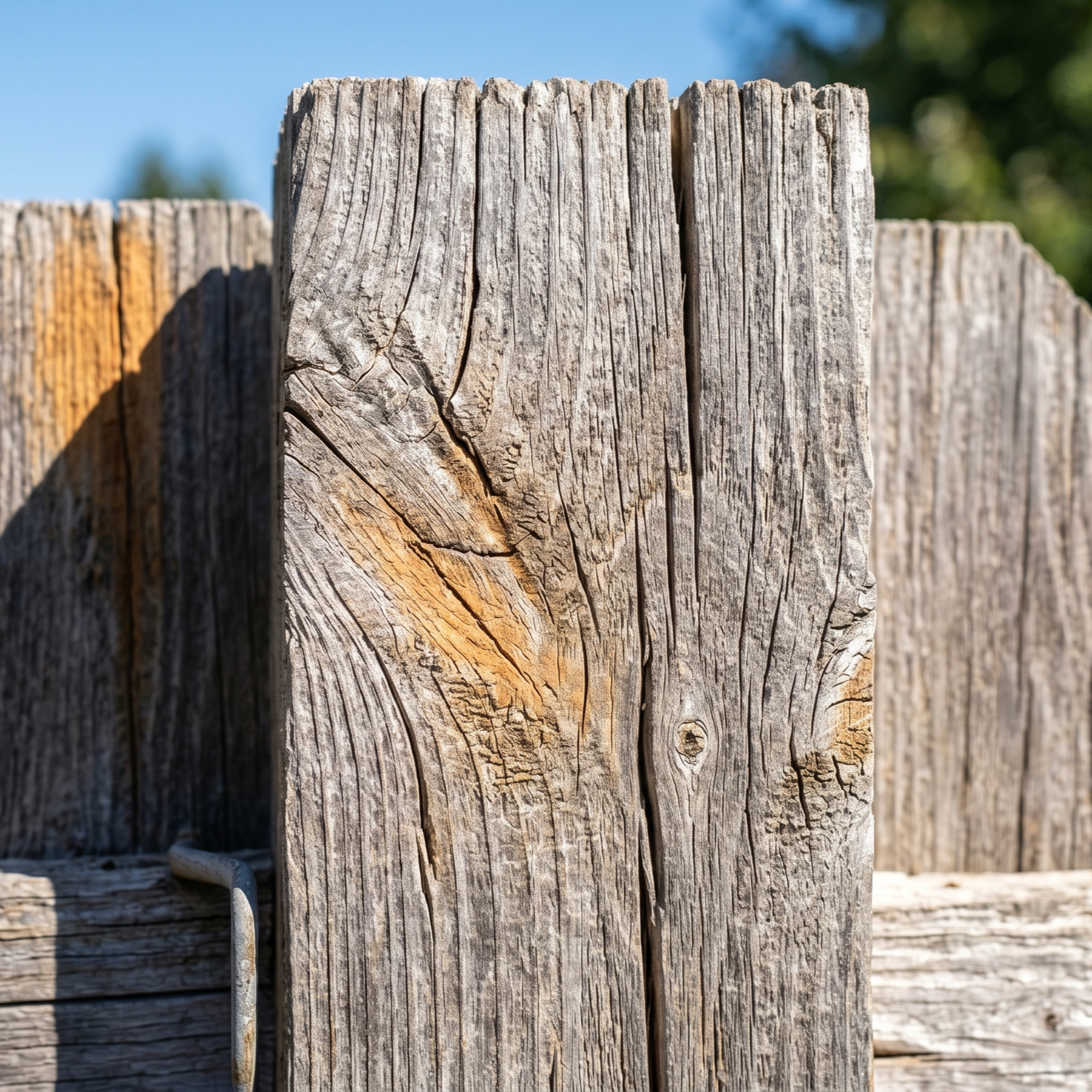
Quick Answer: A wood fence turns gray because of sun exposure — specifically the ultraviolet rays in sunlight breaking down lignin, the natural compound that gives wood its color and binds its fibers. As UV degrades the surface and weathering washes away the broken-down material, the wood loses its original tone and fades to silvery gray. The graying itself is mostly cosmetic and doesn't mean the fence is failing, but it often comes alongside drying, which can lead to cracking and splitting over time. You can restore the color with cleaning and refinishing, and slow future graying by applying a UV-protective stain or sealant. In intense sun, unprotected wood grays faster.
If your once-warm, golden wood fence has faded to a weathered silvery gray, you're seeing one of the most common effects of sun on wood. It happens to virtually all unprotected wood left outdoors, especially quickly in intense sun. Understanding why it grays — and whether that matters — helps you decide whether to embrace the look or restore and protect the wood.
The Cause Is Ultraviolet Light
The graying comes down to ultraviolet (UV) radiation in sunlight. Wood gets its color and much of its structure from natural compounds, including one called lignin, which binds the wood fibers together and contributes to its tone. UV rays break down lignin at the surface of the wood. As that happens, the wood's original color degrades, and weathering — rain and wind — washes away the broken-down surface material, leaving behind the grayed, weathered fibers. The result is the familiar silvery-gray patina. So the graying is essentially UV slowly degrading the wood's surface, and it's why the side facing the most sun often grays first and fastest.
Is Graying a Problem?
Here's the reassuring part: graying itself is largely cosmetic. A fence turning gray isn't, on its own, a sign that it's rotting or failing structurally — it's primarily a surface color change. Many people actually like the natural weathered-gray look and let it happen on purpose. So if you don't mind the appearance, graying alone isn't an emergency.
The caveat is what often accompanies it. The same sun exposure that grays the wood also dries it out, and dry, unprotected wood is more prone to cracking, splitting, warping, and surface checking over time. So while the gray color is cosmetic, the underlying sun and drying can contribute to wear that does affect the wood. This is why protection matters even if you don't care about the color.
| Aspect | What it means |
|---|---|
| Gray color | Cosmetic UV surface change |
| Caused by | UV breaking down lignin |
| Structural concern? | Graying alone, generally no |
| Related risk | Drying leading to cracks and splits |
| Restorable? | Yes, with cleaning and refinishing |
| Preventable? | Slowed with UV stain or sealant |
How to Restore the Color
If you preferred the original warm tone, grayed wood can usually be restored. The process generally involves cleaning the wood — removing the grayed surface layer and dirt, often with a wood cleaner or brightener and sometimes with light surface work — to reveal fresher wood beneath, then applying a stain or finish to restore color and protect it. This refinishing renews the appearance and adds a protective layer at the same time. The result is a fence that looks revived rather than weathered, with protection going forward.
How to Slow Future Graying
The key to keeping a wood fence from graying quickly is UV protection. Applying a quality stain or sealant designed to protect against UV shields the wood from the rays that break down lignin, slowing the color change and helping retain the wood's tone. These finishes also help limit the drying that leads to cracking, so they protect both the look and the wood. Because finishes wear over time, especially in intense sun, periodic reapplication is part of keeping a wood fence protected. The harsher the sun, the more valuable and the more regularly needed this protection becomes.
If you want to keep your fence's color, don't wait until it's fully gray to act. Applying a UV-protective stain or sealant when the fence is new or freshly refinished, and reapplying it periodically, is far easier than restoring badly weathered wood later. Prevention is less work than restoration.
Choosing Your Approach
Ultimately, how you handle a graying wood fence is a matter of preference and upkeep. If you like the natural weathered-gray look, you can let it happen — just keep an eye on the wood for drying-related cracks and splits, since the sun affects more than color. If you want to keep the original tone, plan on cleaning, refinishing, and applying UV protection, with periodic maintenance to keep it up. Either way, understanding that the gray is cosmetic UV weathering, while the drying underneath is the real wear factor, helps you protect the fence's longevity. A fencing professional can advise on restoration and the right protective finish for an intense-sun climate. The main takeaway is that the gray is a surface story while the wood's health is a deeper one, and a little protection addresses both at once.
Frequently Asked Questions
Because of ultraviolet light in sunlight. UV rays break down lignin, the natural compound that gives wood its color and binds its fibers. As the surface degrades and weathering washes away the broken-down material, the wood loses its original tone and fades to silvery gray. The side getting the most sun typically grays first and fastest.
Graying itself is largely cosmetic — a surface color change from UV, not a sign the fence is rotting or failing structurally. However, the same sun exposure dries the wood, and dry wood is more prone to cracking, splitting, and warping over time. So the gray color is harmless on its own, but the underlying drying can contribute to wear that needs to be protected against.
Yes. Grayed wood can usually be restored by cleaning it — removing the weathered surface layer and dirt to reveal fresher wood beneath — and then applying a stain or finish to bring back color and protection. This refinishing renews the appearance and adds a protective layer, giving the fence a revived look with protection going forward.
Apply a quality stain or sealant designed to protect against UV, which shields the wood from the rays that break down lignin and slows the color change. These finishes also help limit drying that leads to cracking. Because finishes wear over time, especially in strong sun, reapplying the protection periodically is needed to keep the fence's color and protection.
Yes. A UV-protective stain or sealant blocks much of the ultraviolet light that degrades the wood's surface, slowing the graying and helping the wood retain its tone. It also reduces the drying that causes cracks and splits. The protection wears off over time and needs periodic reapplication, but it meaningfully slows both color change and related wear.
Yes, if you like it. Many homeowners prefer the natural weathered-gray patina and let it develop on purpose, since the graying is cosmetic. The one thing to watch is drying-related damage — cracks, splits, and warping — because the sun affects the wood beyond just color. Keeping an eye on the wood's condition, or applying a clear protective finish, helps even if you embrace the gray.
Gray Is Cosmetic — Protect Against the Drying
A wood fence turns gray because UV light breaks down the lignin at its surface, fading the original color to weathered silver. That graying is mostly cosmetic and fine to leave if you like the look — but the same sun dries the wood and can lead to cracking and splitting, which is the real reason to protect it. Whether you restore the color or embrace the gray, a UV-protective finish guards the wood's longevity in intense sun.
Want to restore or protect your sun-weathered wood fence? — Get it cleaned, refinished, and sealed against the desert sun. Sereno Custom Fence & Gates serves Phoenix and the Valley. Call (602) 353-7385.
