
Which Direction Should a Fence Face in Phoenix?
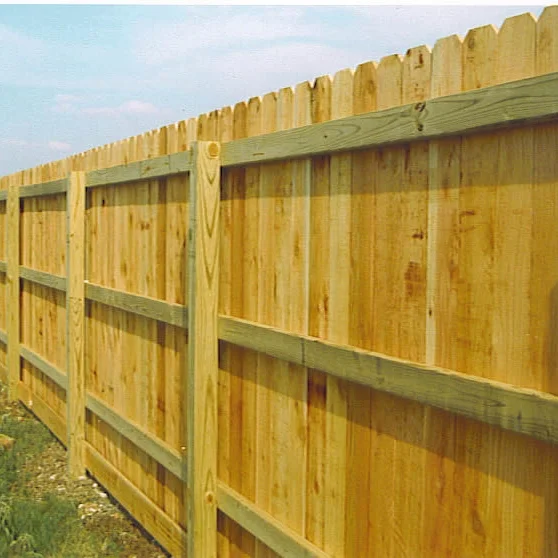
Homeowners often wonder: Should the "pretty side" face out, or should the smooth, finished panels face in toward their yard?
Few fencing topics stir up as much neighborhood debate as the direction of a fence. Homeowners often wonder: Should the "pretty side" face out, or should the smooth, finished panels face in toward their yard? In Phoenix, where property lines, HOA rules, and community aesthetics all come into play, the answer matters more than most people think.
Whether you're replacing an old fence or installing a new boundary, understanding fence direction isn't just about looks. It affects your home's security, privacy, value, and neighborly relations. Here's how to decide which way your fence should face and how a well-designed fence can benefit everyone.
What Is a Good Neighbor Fence?
A good neighbor fence is built so that the finished, attractive side faces outward toward your neighbor or the street. The structural side, meaning the posts and horizontal rails, faces inward toward your property. This design is considered both courteous and compliant in most residential communities.
In Phoenix, where many neighborhoods have active HOAs or strict municipal codes, following this standard helps maintain curb appeal and community harmony. A good neighbor fence also projects pride of ownership and shows that you care about the appearance of your property as well as the neighborhood as a whole.
Why Fence Direction Matters
Many homeowners assume a fence's direction is purely aesthetic, but it affects much more than looks. Direction influences security, privacy, maintenance, property value, and even legal compliance.
Security and Climb Resistance
A fence with horizontal beams facing outward creates easy footholds for trespassers to use. By placing the rails inside, you remove those built-in ladders and make your property harder to climb. Phoenix homes often back up to alleys or open lots, so orienting your fence correctly reduces potential security risks.
Privacy and Peace of Mind
The wrong fence direction can make it easier for someone to peer into your yard. The finished side, when facing outward, creates a smooth, uninterrupted surface that discourages climbing and blocks visibility from passersby.
Aesthetic Consistency
A fence with its frame showing on the outside looks unfinished. Imagine your home wearing its seams on the outside; that's how an inward-facing fence looks to neighbors and anyone driving by. Presenting the smooth, attractive side to the public boosts curb appeal and even property value.
Compliance and Avoiding Disputes
In Arizona, boundary fences are considered jointly owned by neighboring property owners. If a fence sits directly on the property line, both parties are responsible for maintenance and repair. Neither can remove nor alter it without mutual consent. Facing your fence the correct direction and following good neighbor etiquette helps prevent unnecessary legal or personal conflicts.
Arizona and Phoenix Fence Regulations
While Arizona's state laws don't dictate which way a fence must face, local municipalities and HOAs often do. Many Phoenix neighborhoods require the finished side of the fence to face outward.
According to Arizona property law, fences on a boundary line are shared structures, meaning both homeowners own them equally. This shared ownership makes it crucial to discuss any replacement or modification with your neighbor. Changing the orientation or material of a shared fence without consent could create liability or code violations.
If homeowners are building a new fence entirely within their property lines, they have more flexibility; however, facing the finished side outward helps keep their property aligned with local aesthetic standards.
HOA Rules About Fence Direction
Phoenix homeowners' associations tend to be very particular about the appearance of fencing. Most HOAs require fences to match the existing neighborhood style and specify a direction for visual uniformity.
Violating HOA fencing rules can result in costly fines and, in some cases, may lead to forced removal or reinstallation. Before breaking ground, always check your community's architectural guidelines or submit your proposed fence plans for review. Sereno Fence regularly works with HOA boards across Phoenix to help homeowners meet these standards without surprises.
The Courtesy Factor: Being a Good Neighbor
Good neighbor fences earned their name for a reason. Facing the smooth side outward shows respect for those around you. It signals that you care about how your property affects others' views and the overall character of the neighborhood.
While some homeowners argue "my fence, my choice," that approach can sour relations quickly. A fence facing the wrong direction might block sightlines, look unappealing from the street, or even devalue nearby homes. Investing in the correct orientation is a small act that pays off in goodwill and reputation.
If cost-sharing is involved, communication becomes even more important. When both homeowners benefit from a new boundary fence, it's best to agree on materials, height, color, and orientation before installation. The smoother the collaboration, the fewer disputes you will encounter down the road.
Fence Types That Look Great on Both Sides
Sometimes, owners don't want to choose between beauty and structure. Fortunately, there are neighbor-friendly fence designs that look identical on both sides, perfect for shared property lines or front-facing fences in visible areas.
Shadowbox (Board-on-Board) Fencing
Alternating boards on both sides of the rails create a symmetrical look with partial visibility through the slats. It's attractive, sturdy, and well-ventilated, making it ideal for Phoenix backyards where airflow is crucial during the hot months.
Vinyl Privacy Fencing
Vinyl options, such as Breezewood or Chesterfield, offer a uniform appearance on both sides, require minimal maintenance, and resist sun damage from Arizona's harsh UV exposure.
Ornamental Aluminum or Metal Fencing
For front yards or pool enclosures, ornamental metal fences offer a balanced aesthetic and excellent durability, with both sides equally polished.
Post-and-Rail Fencing
Common in rural or open-lot areas of Phoenix, post-and-rail fences offer a rustic appeal while maintaining visibility and equal charm from all viewpoints.
By choosing one of these neighbor-friendly fence styles, homeowners can eliminate the issue of having a good side versus a bad side.
Communication and Planning Tips for Phoenix Homeowners
Building a fence involves more than posts and panels. Before installing, consider these practical planning steps:
Check Local Setback Rules: Phoenix building codes often specify the minimum distance a fence must be from a sidewalk, street, or neighboring structure.
Confirm Property Lines: A land survey makes sure your fence doesn't cross boundaries and avoids costly disputes.
Get Written Agreements: If you share a fence with a neighbor, document the cost-sharing and maintenance terms.
Consider the Climate: Choose materials that withstand sun exposure and monsoon winds. Cedar, vinyl, and powder-coated metal hold up remarkably well in Phoenix weather.
What If the Fence Faces the Wrong Direction?
If homeowners discover their fence was installed backward, it doesn't always require a full replacement. In some cases, adjustments can be made, such as adding decorative panels or installing lattice extensions. However, if your HOA mandates a specific direction or if your fence violates city ordinances, you may need professional correction.
A qualified fencing contractor can evaluate your current installation, determine compliance issues, and recommend cost-effective ways to fix the orientation without compromising the fence's strength or aesthetics.
Professional Installation Means No Guesswork
Fence direction might sound simple, but it can become complicated fast, especially when property lines, neighbor agreements, and local ordinances come into play. Working with a licensed fencing professional, such as Sereno Fence, eliminates the confusion.
Our team ensures that a fence:
Faces the correct direction for Phoenix regulations and HOA standards
Delivers maximum security and privacy
Enhances curb appeal from every angle
Stands up to Arizona's heat, dust, and monsoon conditions
We handle the planning, permitting, and installation details so that a fence adds lasting value and harmony to the property and with the neighbors.
Frequently Asked Questions
Which way should my fence face in Phoenix, AZ?
The finished or good side typically faces outward toward neighbors or the street, while structural rails and posts face inward toward your yard.
Is there a law in Arizona about which way a fence must face?
Arizona law does not specify fence direction, but shared boundary fences are considered co owned. Phoenix municipalities and many HOAs require the finished side to face outward.
What is a good neighbor fence?
A good neighbor fence has the smooth, finished side facing outward and the structural side angled inward to support neighborhood appeal and shared aesthetics.
Can I build my fence facing inward if it's on my property?
If the fence sits fully inside your property line, you may orient it either direction. Still, outward facing finished panels usually maintain better consistency and property value.
What happens if my fence violates the HOA direction rules?
Violations may lead to fines, required changes, or full removal. Always confirm HOA fencing rules before building to avoid costly corrections.
Do certain fence materials look the same on both sides?
Yes. Shadowbox, vinyl privacy, and ornamental metal fences are designed to look identical on both sides, making them naturally neighbor friendly choices.
Does fence direction affect security?
Yes. Facing rails inward reduces climbing points, offering better protection against intruders and unwanted animals.
Should I talk to my neighbor before installing a fence?
Absolutely. Open communication helps prevent conflict, clarifies expectations, and allows both parties to discuss design, cost, and maintenance for shared fences.
Can a fence increase property value in Phoenix?
A well built, properly oriented fence boosts curb appeal, privacy, and security, all of which can enhance resale value in Phoenix neighborhoods.
Who pays for a boundary fence in Arizona?
If a fence sits directly on the property line, both neighbors typically share construction and maintenance costs unless another agreement is made.
Final Thoughts
Choosing which way a fence should face may seem like a small detail, but in Phoenix's tightly knit neighborhoods, it can make a big difference. A properly oriented good neighbor fence enhances appearance, protects the property, and fosters friendly relationships across the property line.
At Sereno Fence, we specialize in designing and installing fences that meet Arizona regulations, withstand the desert climate, and look beautiful from every side. Whether homeowners are upgrading an old boundary or building a new one, we'll help them choose the right direction for their home, their neighbor, and their peace of mind.
