
Fence Finishes That Last: Choosing Between Different Types of Fence Finishes
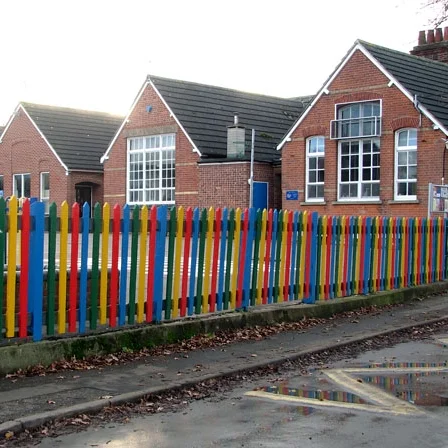
Once the structure is up, the next question is how to treat it.
When it comes to fences in Phoenix, homeowners have more choices than ever. Once the structure is up, the next question is how to treat it. Should one opt for a natural fence that showcases the wood's raw grain? Or a stained fence that enhances color and resists weather. Maybe a painted fence that complements the home’s exterior perfectly? The answer depends on climate, maintenance preferences, and the overall look homeowners want for their property.
At Sereno Fences, we help homeowners throughout Phoenix find fence treatments that strike a balance between beauty and durability. Here’s what homeowners should know before committing to a fence finish that will stand up to desert sun, seasonal monsoons, and time.
Understanding Fence Treatments and Finishes
A fence does more than outline a property. It adds privacy, security, and visual unity to your outdoor space. But once the wood is installed, it’s exposed to Arizona’s heat, dust, and intense UV rays. Without proper treatment, even high-quality lumber can fade, crack, or warp.
That’s where fence finishes come in. There are three primary categories of surface treatment: natural, stained, and painted. Each option has its own aesthetic and functional benefits, along with some trade-offs. Let’s look at how each performs in our unique desert climate.
The Natural Fence: Simple, Organic, and Honest
A natural fence is exactly what it sounds like: wood that’s left untreated or sealed only with a clear finish. Many homeowners love this look because it preserves the texture and color of the wood. Cedar, redwood, and cypress all weather beautifully, taking on a silvery tone that can blend seamlessly into a desert landscape.
The advantages of a natural fence start with authenticity and low upfront cost. There’s no need to buy paint or stain, and the installation process is straightforward for those who love rustic aesthetics or own properties with native landscaping—a natural fence pairs beautifully with its surroundings.
However, the Phoenix sun is relentless. Without added protection, UV rays will quickly bleach the surface, and the dry heat can draw moisture out of the boards, leading to cracking or warping. The occasional rainfall or irrigation overspray can also encourage fading and splintering. Over time, that natural look might shift from rustic charm to weathered neglect.
If homeowners choose a natural fence, a clear wood sealant can slow the aging process while preserving the wood’s tone. It’s not entirely maintenance-free, but it helps extend the life of the material while keeping the authentic grain visible.
The Stained Fence: A Balance of Beauty and Protection
For many Phoenix homeowners, a stained fence offers the perfect balance between natural beauty and protection. The stain penetrates the wood's surface rather than sitting on top, creating a moisture barrier that resists rot and cracking. It also brings out the depth and texture of the wood grain, enhancing the organic character without covering it.
Stains are available in a range of finishes, including transparent, semi-transparent, and solid. Transparent stains showcase the most wood detail, while solid stains offer rich color coverage, similar to paint, but with improved breathability. For desert conditions, UV-resistant, waterproof stains are the best option. They prevent fading from sunlight while protecting against splintering and moisture intrusion.
A professionally applied stain can last several years before reapplication is needed, making it one of the most cost-effective ways to extend your fence’s lifespan. It’s also easier to refresh than paint, usually requiring cleaning and a new coat rather than scraping or sanding.
A stained fence is ideal for homeowners who want long-term protection without the need for constant upkeep. Whether you prefer a honeyed cedar tone or a deep espresso finish, stain adds warmth and dimension that harmonize beautifully with Phoenix’s desert palette.
The Painted Fence: Vibrant and Customizable
A painted fence offers the most design flexibility. You can match your trim, contrast your stucco color, or even make a bold visual statement that enhances your property’s curb appeal. Paint seals the surface thoroughly, creating a protective film that blocks moisture and sun exposure.
The initial appeal of a painted fence is its strong, smooth, even color and polished appearance, which can instantly elevate your landscape. It’s also more affordable to apply upfront than stain. However, the trade-off is in maintenance.
Unlike stain, which penetrates wood fibers, paint sits on top. Over time, the Arizona sun can cause that layer to peel, bubble, or fade. Repainting requires sanding, priming, and a complete new coat, much more labor-intensive than restaining. For homeowners who want that crisp, uniform look, professional maintenance every few years is essential.
For fences made of older or lower-grade wood, paint can hide imperfections while adding charm and color. It’s also effective when used on composite or treated lumber that doesn’t absorb stain evenly. Be sure to choose high-quality exterior paint specifically formulated for intense sun exposure to prevent premature fading.
Stained Fence vs. Painted Fence: Which Is Right for Phoenix Homes?
Both stained and painted fences can transform your yard, but their differences go beyond color choice.
A stained fence enhances the wood’s natural tone and texture, offering subtle beauty and long-term durability with less maintenance. It’s breathable so that it won’t trap moisture underneath. In contrast, a painted fence offers bolder colors and a smoother finish, making it ideal for properties where design and curb appeal are top priorities.
From a performance standpoint, Phoenix’s heat and UV exposure give stain an advantage. Paint tends to break down faster under intense sunlight, especially if the fence faces south or west. On the other hand, a well-applied painted fence can create dramatic visual contrast and may better complement certain architectural styles.
Professionals often recommend staining for homeowners who want longevity and minimal upkeep, while painting suits those seeking maximum color control and are willing to accept periodic touch-ups. Either way, proper surface preparation, professional application, and high-quality materials make all the difference.
Maintenance Tips for Every Fence Finish
Whether you have a natural, stained, or painted fence, routine care is essential to extending its lifespan in Phoenix’s challenging climate.
Clean regularly: Dust, dirt, and irrigation overspray can dull the surface. A gentle rinse with a garden hose and mild soap, applied every few months, helps maintain the finish.
Inspect annually: Look for cracks, loose boards, or flaking finish. Early repairs prevent moisture from seeping in.
Avoid direct sprinkler contact: Water exposure accelerates deterioration, especially for natural or painted fences.
Recoat when needed: Natural fences benefit from a fresh, clear sealant every one to two years, while stained fences may require reapplication every three to five years, depending on the level of sun exposure. Painted fences typically require repainting every four to six years.
Partnering with a professional fence company makes maintenance easier. Experts use industrial-grade coatings specifically designed for high UV resistance and apply them evenly for maximum protection.
Why Professional Application Matters
DIY fence treatments can look good initially, but professional application ensures lasting quality. At Sereno Fences, we understand how Arizona’s dry heat, wind, and dust interact with different wood species and coatings. We utilize precision sprayers, controlled drying times, and surface preparation techniques that ensure even coverage and enhanced adhesion.
Professionally finished fences don’t just look better, they perform better. A properly sealed or stained surface resists cracking and fading longer, keeping your investment protected for years. And if your neighborhood HOA has color requirements, our team can match approved shades while maintaining the integrity of the fence.
Eco-Friendly and Aesthetic Considerations
Phoenix homeowners are increasingly seeking eco-friendly finishes that strike a balance between durability and environmental responsibility. Modern water-based stains and low-VOC paints provide beautiful color without the harsh chemicals of older oil-based products. These finishes also allow the wood to breathe, reducing long-term cracking or peeling.
Aesthetic harmony matters too. When selecting a color or tone, consider your roof, trim, and landscaping. A natural fence might highlight desert tones, a stained fence can deepen the warmth of wood, and a painted fence can introduce a clean, modern contrast. A unified color palette across gates, posts, and fencing enhances the value and visual appeal of your property.
Local Expertise for Phoenix Fencing Projects
Phoenix homeowners face a unique challenge: balancing style with sun resistance. Sereno Fences specializes in treatments that withstand high temperatures, low humidity, and intense UV exposure. Our team understands how to prepare, coat, and maintain every type of fence finish to keep your property looking exceptional throughout the year.
Whether homeowners want a naturally aged cedar fence for their backyard, a custom-stained perimeter fence for their ranch, or a crisp, white-painted fence for their urban home, we’ll help them choose a finish that lasts and reflects their personality.
Frequently Asked Questions
What’s the best finish for a fence in Phoenix’s climate?
A UV resistant stained finish performs best under Arizona sunlight, offering longer lasting protection against fading and cracking while keeping a natural wood appearance.
How often should I restain or repaint my fence?
Stained fences typically need a new coat every three to five years. Painted fences usually require repainting every four to six years depending on sun exposure.
Can I switch from paint to stain later?
Yes, but all existing paint must be removed and the wood sanded to allow proper stain penetration. Professional help is recommended for best results.
Is a natural fence finish good for Phoenix homes?
Natural finishes can look beautiful but require frequent sealing to prevent UV damage and dryness. Without protection, the wood will weather quickly in desert conditions.
What colors work best for stained fences in desert settings?
Warm tones like golden oak, cedar brown, and espresso complement Arizona landscapes and hide desert dust better than lighter shades.
Can professionals match HOA approved colors for painted fences?
Yes. Sereno Fences matches HOA approved palettes using UV stable exterior paints designed for long term durability in Phoenix heat.
Does stain protect against termites and pests?
Quality stains that include sealing agents help deter moisture and reduce pest intrusion, although regular inspections remain important.
How can I make my fence color last longer?
Avoid sprinkler spray, schedule professional cleanings, and choose premium UV rated finishes to help maintain long lasting color in Phoenix’s climate.
Which is more eco-friendly: paint or stain?
Water based stains and low VOC paints are both eco friendly. Stain often requires fewer recoats, reducing overall material use over time.
Who provides professional fence staining and painting near Phoenix, AZ?
Sereno Fences offers expert fence staining, painting, and maintenance throughout Phoenix, helping homeowners protect their fences with durable and beautiful finishes.
Final Thoughts
If your fence is ready for a refresh or you’re building a new one from scratch, the finish you choose matters as much as the structure itself. Whether your style leans natural, stained, or painted, a professionally treated fence can turn a simple boundary into a defining feature of your home. For expert fence treatments in Phoenix, trust Sereno Fences to deliver quality that endures desert living.
