
What to Consider Before Choosing Fence Materials and Security Options
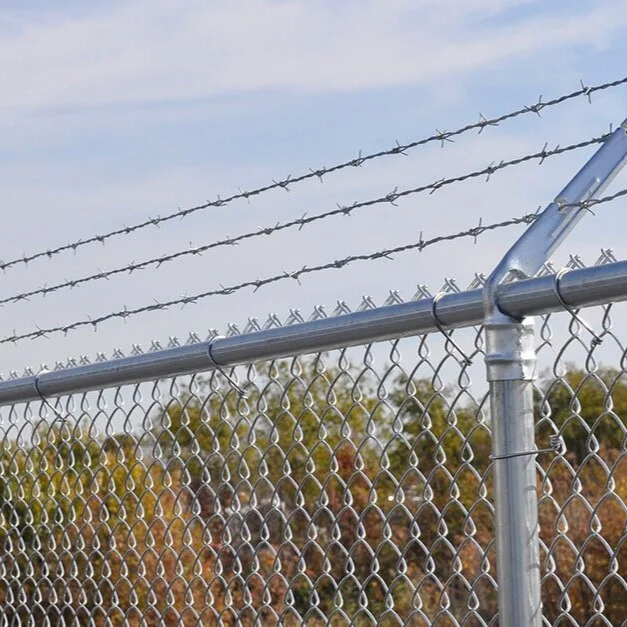
A fence is not just a property line marker; it represents privacy, safety, and aesthetic harmony with the neighborhood.
The process of selecting fencing for a home is both an exciting and a practical process. A fence is not just a property line marker; it represents privacy, safety, and aesthetic harmony with the neighborhood. Choosing the right fence material involves understanding the unique demands of the desert climate, the need for lasting security, and how each fence complements the property's style.
Before finalizing a decision, it helps to weigh factors such as maintenance, privacy, and durability, and consider how the lifestyle aligns with each material option. Here's what to consider when choosing fence materials that deliver both beauty and security for a home.
Privacy or Security: What Matters Most?
Some homeowners prioritize peace and quiet, while others focus on keeping pets or property safe. The answer to the question will heavily influence the choice of material.
Wood and Vinyl for Privacy
Wood and vinyl fences offer exceptional privacy, perfect for creating an enclosed retreat around pools or patios. Solid panels or overlapping boards prevent visibility from the outside, helping homeowners feel comfortable in their own space. Vinyl is especially popular in Phoenix due to its ability to resist heat, moisture, and UV exposure.
Metal and Chain Link for Security
When protection ranks higher than privacy, materials like steel, aluminum, or chain link are more suitable. Steel fences deliver exceptional strength, deterring intrusion and withstanding impacts. Chain link, while offering little visual privacy, provides affordable and reliable security, especially for large residential lots, industrial areas, or dog runs.
For people who want both safety and seclusion, hybrid options such as chain link fences with privacy slats or aluminum fences with integrated panels can strike a balance between visibility and protection.
The Role of Climate in Fence Longevity
Phoenix's hot, dry conditions significantly impact the performance of various fence materials. Intense sun, shifting soil, and occasional dust storms can affect the structural integrity and color retention of fencing.
Wood: While wood adds warmth and timeless charm, it can dry, warp, or crack when exposed to prolonged heat. Using treated lumber, such as cedar or redwood, helps resist rot and sun exposure, but regular sealing remains essential.
Vinyl: Vinyl is an ideal match for desert climates. It does not fade easily, resists moisture absorption, and requires minimal upkeep beyond a quick rinse with a garden hose.
Aluminum: Rust-resistant and lightweight, aluminum fences remain one of the best long-term investments for Phoenix properties. They withstand high heat, wind, and temperature swings without expanding or contracting.
Steel: For those prioritizing high security, steel offers unmatched strength. Galvanized or powder-coated steel adds protection against corrosion, though periodic inspection helps extend its lifespan.
Maintenance Expectations and Material Lifespan
A fence's durability depends on the effort homeowners are willing to invest in its upkeep.
Wood: Looks beautiful, but is a demanding material. Expect to stain or seal every couple of years to protect against cracking and fading. Maintenance frequency may increase in direct sunlight.
Vinyl: The "set it and forget it" option. A simple cleaning once or twice a year is all it takes to maintain its polished appearance.
Chain Link: Low-cost and low-maintenance, chain link fences may require occasional rust protection at joints or corners, but they remain one of the most durable and practical options.
Aluminum: Virtually maintenance-free. Occasional rinsing and inspection for loose fasteners are all that's required.
Composite: Made from recycled materials, composite fencing combines the look of wood with the durability of vinyl. It will not rot or attract insects and stands up to Arizona's temperature fluctuations.
Each of these materials can last anywhere from 20 to 50 years with professional installation and minimal upkeep, making them long-term assets for property security and appeal.
Matching Fence Type to Purpose
Before committing to a design, homeowners should think about why they want a fence.
If the goal is to block out traffic noise or nearby construction, solid materials like vinyl or composite are your best bet. For safety around pools, aluminum and steel meet most Phoenix code requirements while maintaining a sleek appearance. Meanwhile, chain link offers a practical and affordable option for perimeter security or pet containment.
Homeowners near highways or schools frequently pair tall wood or vinyl fences with landscaping features such as shrubs or trees to enhance sound dampening and privacy.
Balancing Aesthetics with Neighborhood Design
Curb appeal matters just as much as functionality. A fence can elevate or disrupt the overall look of a property depending on how it blends with the home's design and neighboring structures.
In many Phoenix neighborhoods, homeowners' associations (HOAs) regulate the height, color, and style of fences. Checking these guidelines before installation avoids costly adjustments later. A professional contractor familiar with local codes can help navigate these requirements while achieving your design goals.
If the community favors uniformity, materials like vinyl or composite are ideal since they can mimic wood's natural texture while providing modern color consistency. Meanwhile, wrought iron or aluminum works well for homes with Spanish Revival or contemporary architecture.
Security Considerations Beyond Materials
The best fence security goes beyond the panels themselves. Height, post depth, gate placement, and lock quality all play vital roles.
Height and Visibility: Taller fences deter intrusion but must comply with local zoning. In residential Phoenix areas, front-yard fences often have height limits, while backyard fences allow more flexibility.
Gate Hardware: Reinforced hinges and lockable latches add another layer of protection. Consider self-closing gates for pool areas to meet safety standards.
Professional Installation: Expert installers like to position posts and reinforcements to prevent sagging or weak points that could compromise security over time.
For homeowners with large or irregular properties, combining materials like solid vinyl fencing in the backyard and decorative metal fencing in front can balance beauty with functionality.
Environmental Impact and Sustainability
Eco-conscious homeowners are increasingly considering environmental responsibility when selecting fencing materials.
Wood: When sourced from certified sustainable forests, wood can be renewable. However, chemical treatments and frequent staining reduce its environmental friendliness.
Composite: Made from recycled wood fibers and plastics, composite fencing minimizes waste and offers impressive longevity.
Aluminum: Highly recyclable and often produced from repurposed metal, aluminum is one of the most sustainable fencing materials available.
Vinyl: Though not biodegradable, vinyl's long lifespan and lack of chemical maintenance make it a low-waste option over time.
Professional installation further supports sustainability by reducing waste, preventing premature replacement, and extending the product's life.
Why Professional Guidance Matters
Every home has different priorities. A professional installer brings local insight into soil conditions, HOA restrictions, and Phoenix's unique weather challenges. Working with Sereno Custom Fence and Gates gives homeowners access to experienced professionals who understand both design and security.
Whether homeowners want to frame a garden, secure a backyard pool, or protect commercial property, Sereno Custom Fence and Gates offers tailored solutions across a range of materials, budgets, and styles.
From classic wood to modern composite, our team helps clients find fencing that fits both aesthetic preferences and functional needs without overcomplicating the process.
Frequently Asked Questions
What is the most secure type of fencing for residential properties in Phoenix, Arizona?
Steel and aluminum provide exceptional security thanks to their strength and resistance to damage. For added privacy, many homeowners pair them with solid vinyl panels or composite inserts.
How does Arizona's heat affect different fence materials?
Wood may dry out, fade, or crack in prolonged heat, while vinyl and aluminum handle extreme temperatures with minimal wear. Composite materials also perform well by resisting sun damage and expansion.
Can I mix different fence materials on one property?
Yes. Mixing materials helps balance privacy, cost, and appearance. Many homeowners use chain link along the sides and vinyl or aluminum in visible or high traffic areas.
What fence material requires the least maintenance in Phoenix?
Vinyl and aluminum are excellent low maintenance options. They resist fading, rust, and cracking even under the intense Arizona sun.
Are there local regulations for fence height or materials in Phoenix?
Most neighborhoods, especially HOAs, enforce rules regarding fence height, style, and materials. Professional installers can help homeowners meet Phoenix codes before construction begins.
Which materials best combine privacy and security?
Vinyl and composite provide strong privacy and durable construction. When paired with proper height and reinforced gates, they offer an excellent blend of beauty and protection.
Do metal fences rust in dry climates like Arizona?
High quality aluminum and galvanized steel resist rust, making them ideal choices for the desert climate. Occasional washing maintains their appearance for years.
Is composite fencing eco-friendly?
Yes. Composite fencing uses recycled plastics and wood fibers, reducing waste while offering the natural look of wood with improved durability.
How can I improve security without losing curb appeal?
Ornamental aluminum and wrought iron provide strong protection with attractive open designs that maintain visibility and an upscale look.
Why should I hire a professional fence installer in Phoenix?
Professionals like Sereno Custom Fences and Gates understand local soil, climate, and permit requirements. They guide homeowners toward long lasting materials that enhance both security and neighborhood appeal.
Key Takeaways
A well-chosen fence provides more than a property line. It delivers safety, privacy, and value. Whether one is drawn to the warmth of wood, the durability of vinyl, or the strength of steel, professional guidance ensures that homeowners' investments stand strong for decades.
When you're ready to discuss the best fence materials and security options for your home, contact Sereno Custom Fence and Gates at (602) 481-1298. Our team proudly serves Phoenix and surrounding communities with expert installation, durable materials, and designs built for Arizona living.
