
What Gauge Chain Link Fence Do You Need? Understanding Wire Thickness and Strength
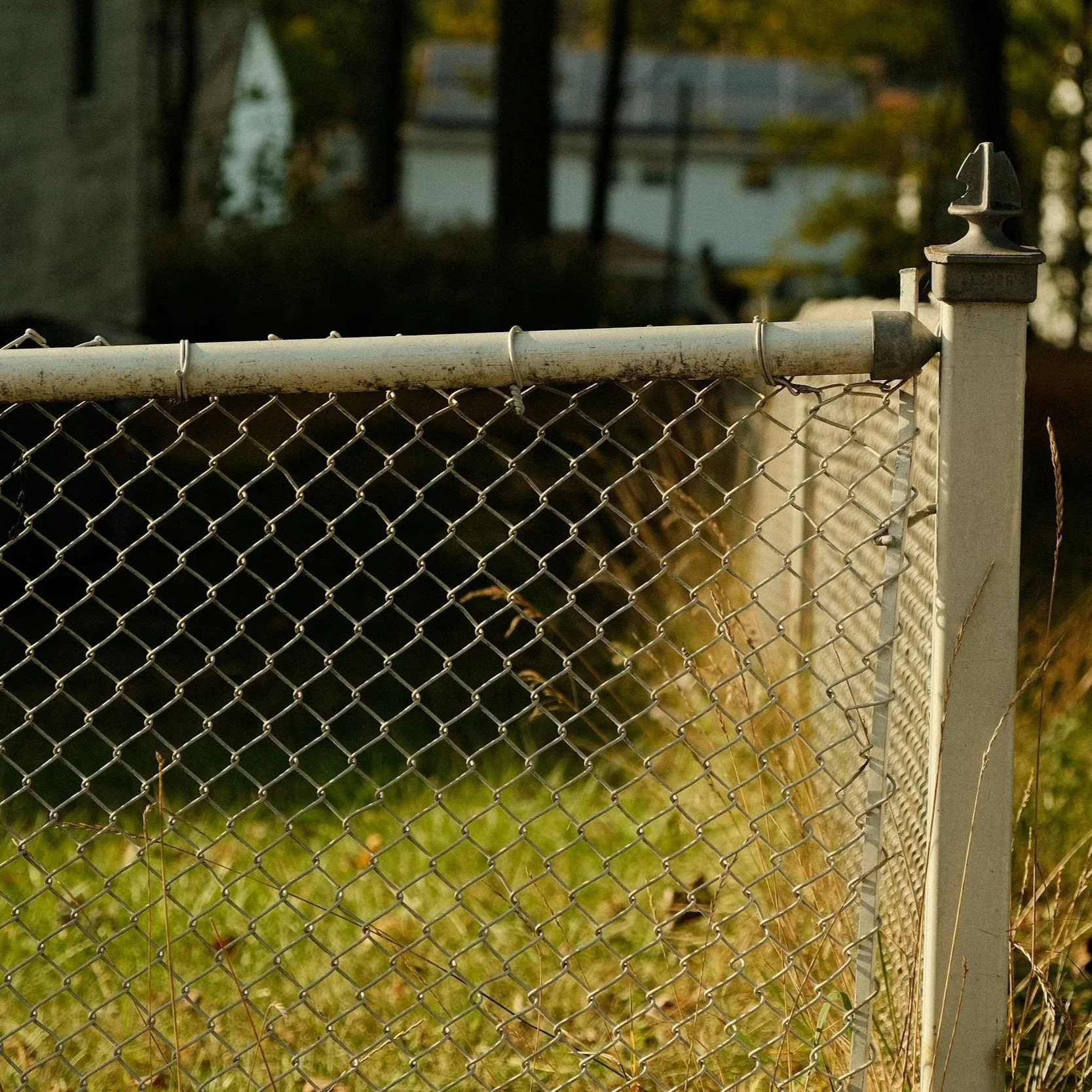
Selecting the right gauge creates a fence that maintains tension, withstands daily stress, and performs reliably in demanding environments.
Chain link fencing may appear simple at first glance, but its performance depends heavily on technical details that determine how well it holds up over time. One of the most critical factors is wire gauge, which directly affects strength, durability, security, and maintenance needs. For commercial properties, selecting the wrong gauge can result in sagging fabric, easier breaches, higher repair costs, and reduced lifespan. Selecting the right gauge creates a fence that maintains tension, withstands daily stress, and performs reliably in demanding environments.
Gauge selection should never be an afterthought or a default choice based solely on price. It requires an understanding of how wire thickness interacts with traffic levels, security exposure, climate conditions, and fence height. When the gauge is matched correctly to real-world use, chain link fencing delivers long-term value rather than short-term savings followed by frequent repairs.
What Wire Gauge Means In Chain Link Fencing
Wire gauge refers to the thickness of the steel wire used to form the chain link fabric. The numbering system works in reverse, meaning lower gauge numbers indicate thicker wire. For example, nine-gauge wire is thicker and stronger than eleven-gauge or twelve-gauge wire. This distinction matters because wire thickness determines how much force the fence can absorb before bending, stretching, or breaking.
Thicker wire increases tensile strength, allowing the fence to remain tight between posts and resist deformation. It also improves resistance to cutting and impact, which supports both security and longevity. Thinner wire costs less upfront and installs more easily, but it sacrifices strength in environments where stress remains constant.
For commercial fencing, gauge selection influences not only initial performance but also how the fence behaves years down the line. Professional planning treats gauge as a structural choice tied to usage rather than a cosmetic or budget-only decision.
Common Commercial Chain Link Wire Gauges
Commercial chain link fencing typically falls within a range from nine gauge to twelve and a half gauge. Each option serves different roles depending on exposure and risk.
Nine-gauge chain link represents one of the strongest options commonly used. This thick wire resists cutting, bending, and impact extremely well, making it suitable for high-security applications such as industrial facilities, utility yards, and storage areas holding valuable equipment. It maintains tension effectively and withstands abuse better than lighter gauges, though it comes with a higher material cost and installation effort.
Eleven-gauge chain link provides a strong balance between durability and cost. It delivers solid resistance to intrusion while remaining versatile enough for a wide range of commercial applications. Many commercial perimeters, loading docks, warehouses, and multifamily properties rely on eleven-gauge fencing because it performs reliably without excessive expense.
Twelve-gauge and twelve-and-a-half-gauge chain link falls on the lighter end of commercial use. These gauges work best in lower-risk environments where fencing defines boundaries rather than deters determined intrusion. Examples include interior partitions, controlled-access areas, and locations with minimal impact risk. While lighter gauges reduce upfront cost, they require careful consideration in exposed or high-traffic zones.
How Wire Gauge Influences Fence Strength
Wire gauge directly affects how a chain link fence responds to stress. Thicker wire resists stretching and deformation, allowing the fence to hold tension longer. That tension keeps the fabric aligned and prevents sagging, which leads to further structural issues.
In high-wind environments like Phoenix, AZ, thicker wire distributes force more evenly across the fence system. Wind applies repeated pressure to fence fabric, especially on long runs or taller installations. Thicker wire absorbs that force without transferring excessive stress to ties, rails, and posts. Thinner wire flexes more easily, which can loosen connections over time.
Impact resistance also improves with thicker wire. Accidental contact from vehicles, carts, or equipment causes less permanent distortion when the wire thickness increases. While chain link fencing is not intended to stop vehicles, thicker gauge fabric recovers from minor impacts more effectively.
Security Considerations Tied To Wire Gauge
Security remains a primary reason commercial properties select heavier wire gauges. Thicker wire requires more time, effort, and noise to cut or bend, which discourages opportunistic intrusion. Thinner wire, while still functional, presents less resistance to determined tampering.
That said, gauge alone does not define security. Fence height, post spacing, framework strength, lighting, and access control all play important roles. A properly designed eleven-gauge fence with adequate height and reinforcement may outperform a poorly installed nine-gauge fence.
Security needs often vary within a single property. Perimeter fencing may justify heavier gauge wire, while interior sections may not. Strategic gauge selection allows resources to focus where exposure remains highest.
Safety And Practical Performance
Wire gauge also affects safety and usability. Thicker wire maintains its shape better over time, reducing the chance of sharp bends or protrusions that develop when lighter wire deforms. In pedestrian-heavy areas, that stability improves long-term safety.
Heavier-gauge wire also supports accessories more effectively. Privacy slats, windscreens, and security features place additional load on the fence fabric. Thicker wire handles that added stress without excessive stretching or sagging, preserving appearance and function.
In shared commercial spaces, selecting a gauge that maintains structural integrity reduces maintenance-related hazards and keeps fencing reliable.
Arizona Climate And Gauge Selection
Arizona’s climate places unique demands on fencing systems. Extreme heat causes daily expansion and contraction of metal components. Dust storms introduce abrasive particles that wear coatings and wire surfaces. Monsoon winds create sudden loads that test fabric tension and framework stability.
Thicker wire performs better under these conditions. It resists fatigue from repeated expansion cycles and holds up better against abrasion when paired with quality coatings. Thinner wire may still function in protected areas, but it shows wear sooner in exposed locations.
For properties in Phoenix, AZ, gauge selection should account for wind exposure, fence height, and whether privacy enhancements will be added. Many professionals recommend stepping up one gauge level in desert environments to improve longevity without excessive cost increase.
Relationship Between Fence Height And Wire Gauge
Fence height and wire gauge work together to determine overall performance. Taller fences experience greater wind load and leverage forces, which place additional stress on fabric and framework.
A six-foot fence using lighter gauge wire may perform adequately in calm or protected areas. An eight-foot or ten-foot fence using the same gauge may struggle to maintain tension and alignment over time. Increasing the gauge as height increases helps preserve balance within the system.
Professional fence design aligns gauge, height, and post spacing rather than treating each factor independently. Ignoring this relationship often leads to premature maintenance issues.
Cost Versus Long-Term Value
Wire gauge influences both upfront cost and long-term expense. Thicker wire costs more initially due to increased material weight and manufacturing requirements. Installation may also require additional effort.
However, lighter gauge fencing often generates higher maintenance costs over time. Sagging fabric, damaged sections, and frequent adjustments erode initial savings. Heavier-gauge fencing typically lasts longer and requires fewer repairs.
Evaluating total ownership cost rather than installation price alone often reveals that mid-to-heavy gauge fencing provides better value for commercial properties with long-term plans.
Coatings And Gauge Compatibility
Wire gauge interacts closely with coating performance. Galvanized and vinyl-coated finishes protect steel from corrosion and UV exposure, but coating longevity depends partly on wire thickness. Thicker wire tolerates minor coating damage better because more material remains beneath the surface.
Vinyl-coated chain link paired with heavier gauge wire performs especially well in Arizona. The combination resists heat, dust, and moisture more effectively than lighter options. That pairing supports both durability and appearance for visible commercial properties.
A professional specification ensures that the gauge and coating complement each other rather than creating mismatched expectations.
Importance Of Installation Quality
Even the correct gauge performs poorly when installation quality falls short. Proper tensioning, secure ties, accurate post spacing, and adequate footing depth all influence how wire thickness translates into real-world performance.
Thicker wire requires appropriate handling during installation to avoid kinks or uneven tension. Professional installers understand how to work with heavier gauge fabric to preserve its advantages.
Gauge selection should always align with framework design and installation expertise. Professional services ensure material capabilities are fully realized.
Selecting Gauge By Property Zone
Different areas of a commercial property often require different wire gauges. Strategic selection improves performance without unnecessary cost.
Perimeter fencing frequently benefits from eleven-gauge or heavier wire due to exposure and security concerns. Storage yards and equipment areas may justify nine-gauge wire for added protection. Interior partitions and low-risk zones may function well with twelve-gauge wire when properly supported.
Tailoring the gauge by zone avoids overbuilding while maintaining appropriate protection.
Common Mistakes In Gauge Selection
One common mistake involves choosing the lightest gauge to reduce upfront cost without considering long-term performance. Another involves assuming a thicker wire automatically solves all security issues without addressing height, access control, or lighting.
Ignoring climate represents another frequent oversight. A gauge that performs adequately in mild environments may struggle under Arizona conditions. Professional planning avoids these pitfalls by evaluating site-specific factors together.
The Value Of Professional Guidance
Selecting the correct chain link fence gauge benefits from experience with how fencing performs over time. Professional contractors assess traffic levels, security risk, environmental exposure, and layout before making recommendations.
Professional guidance prevents mismatches between expectation and performance. It also supports budgets, maintenance capacity, and long-term planning.
Long-Term Benefits Of Proper Gauge Selection
Choosing the right wire gauge supports fence longevity, security, safety, and appearance at the same time. Well-specified fencing holds tension, resists abuse, and maintains structure under environmental stress. Over time, that performance reduces repairs and preserves property value.
For commercial properties in Phoenix, AZ, understanding wire gauge represents a practical step toward building fencing systems that perform reliably in desert conditions.
Commercial Chain Link Fence Wire Gauge FAQs
What wire gauge is most common for commercial chain link fencing?
Eleven-gauge is widely used because it balances strength, durability, and cost for many commercial applications.
Is a nine-gauge chain link necessary for all commercial properties?
No. Nine-gauge works best for high-security or high-impact areas, while many properties perform well with eleven-gauge fencing.
Does a thicker wire improve security?
Yes. Thicker wire resists cutting and deformation better, but overall security also depends on height, posts, and access control.
How does Arizona's weather affect gauge choice?
Heat, wind, and dust accelerate wear, making heavier gauge wire a better long-term option in many Arizona settings.
Can lighter-gauge fencing still work for commercial use?
Yes. Lighter gauge wire works well in low-risk areas when properly installed and supported by a quality framework.
Sereno Custom Fence & Gates offers a complete, one-stop solution for professional residential fence services in the Phoenix area, including chain link fences, composite fences, and aluminum fences to temporary fences. Our experienced team uses high-quality materials to create durable, stylish, and secure fencing with a focus on protection, curb appeal, and long-term performance. Whether you need a custom fence installation or temporary fencing solutions, we provide timely, reliable service and trusted results. Schedule your fence project today and enjoy a beautiful, secure property.
