
Chain Link Fence Privacy Options: Slats, Windscreens, and Hybrid Solutions
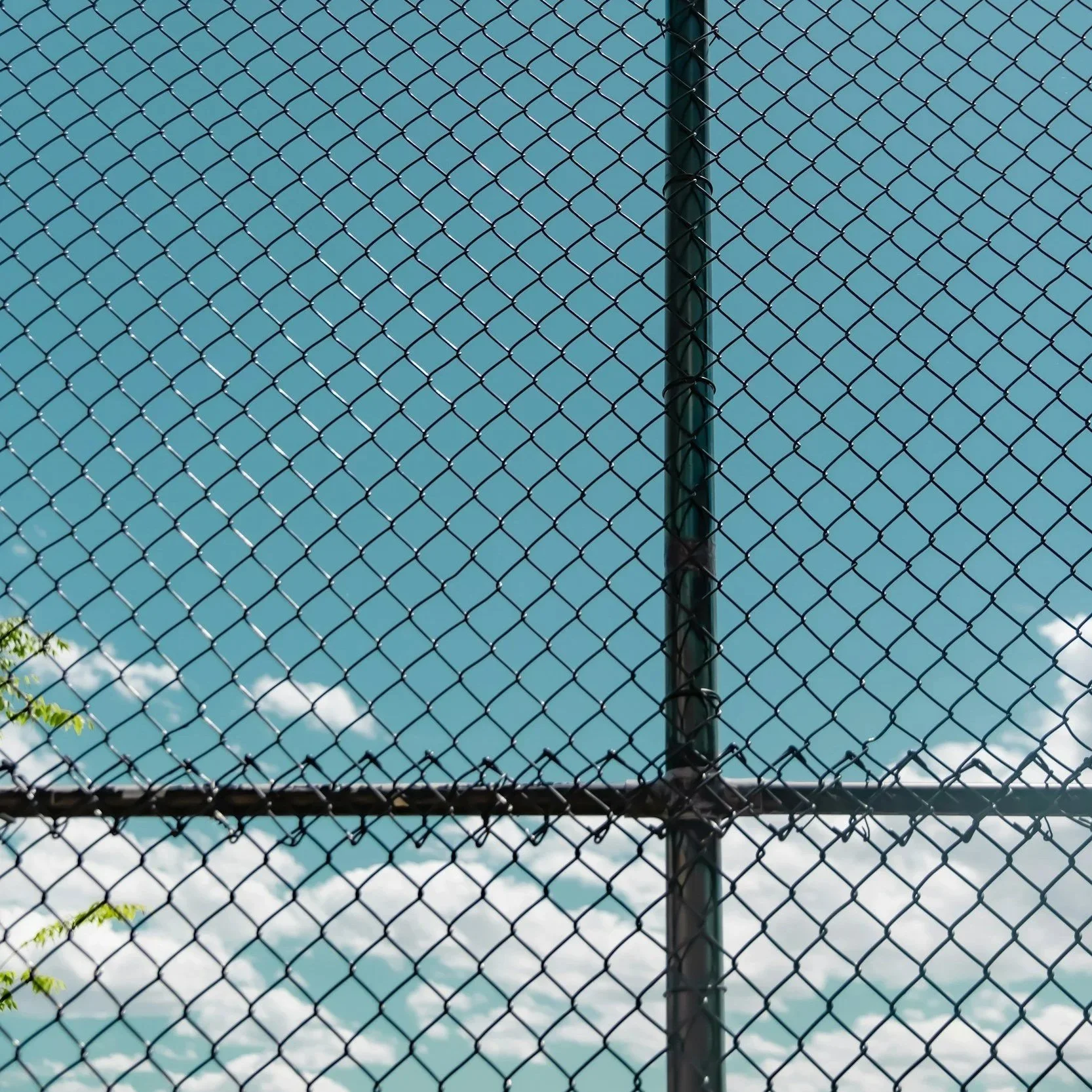
Privacy solutions designed specifically for chain link fencing address these needs while preserving the fence’s core strengths.
Chain link fencing offers durability, visibility, and flexibility, which explains why it remains a staple across commercial properties. That same visibility, however, becomes a drawback when businesses need privacy for operations, security, or appearance. Dumpsters, loading docks, storage yards, employee areas, and equipment zones often require screening without sacrificing airflow, structural performance, or adaptability. Privacy solutions designed specifically for chain link fencing address these needs while preserving the fence’s core strengths.
Privacy for commercial properties is rarely about complete isolation. Instead, it focuses on reducing visual exposure, discouraging unwanted attention, and creating clearer separation between public and restricted spaces. Chain link privacy options achieve this in different ways depending on material choice, installation method, and long-term performance expectations. Understanding how slats, windscreens, and hybrid systems function helps property owners select solutions that align with security goals, climate conditions, and operational demands.
Why Commercial Properties Add Privacy To Chain Link Fencing
Privacy needs on commercial sites differ significantly from residential applications. Businesses deal with constant movement, high asset value, and public visibility that increases both risk and scrutiny. Open fencing around sensitive areas invites curiosity, theft, vandalism, and complaints, even when no rules are technically broken.
Privacy solutions reduce these pressures by limiting what outsiders can see and access visually. Shielded areas attract less attention and discourage opportunistic behavior. Employees benefit from defined staff-only zones, while customers encounter cleaner, more organized environments free from visible service operations.
In regions like Phoenix, AZ, privacy also supports comfort and safety. Reduced glare, controlled wind movement, and partial shading improve usability of outdoor spaces. Privacy enhancements become functional tools rather than purely aesthetic upgrades.
Chain Link Slats As A Privacy Solution
Privacy slats remain one of the most common upgrades for chain link fencing. These vertical inserts weave through the fence fabric, partially or fully blocking visibility depending on design. Slats maintain the fence’s flexibility and airflow while adding visual screening.
Slats come in varying widths and densities. Narrow slats provide moderate screening while allowing more light and airflow. Wider slats increase opacity and reduce visibility more effectively. Commercial-grade slats use UV-stabilized materials designed to resist fading and brittleness under prolonged sun exposure.
From a durability standpoint, slats perform well when properly installed and matched to fence height and wire gauge. They move slightly with the wind rather than acting as rigid panels, which reduces stress on posts and rails. In Phoenix, AZ, that flexibility helps slats withstand monsoon gusts better than solid materials when posts and footings are properly engineered.
Slats also offer color options that blend into the surroundings or support branding. Darker tones often reduce glare and visually recede, making fencing appear cleaner and less intrusive. Over time, slats help maintain a professional appearance without requiring frequent refinishing.
Wind Screens And Mesh Privacy Panels
Wind screens, sometimes called mesh privacy panels, provide another popular option for chain link fencing. These materials attach to the fence surface and create continuous coverage across sections or entire runs. Unlike slats, which fill individual openings, wind screens act as a unified layer.
Commercial wind screens are typically made from high-density polyethylene fabric designed for UV resistance and durability. They offer varying levels of opacity, often expressed as percentage coverage. Lower coverage allows more airflow and visibility, while higher coverage increases privacy and wind reduction.
Wind screens perform particularly well in large areas where uniform appearance matters. Sports facilities, construction sites, storage yards, and industrial properties often rely on wind screens to block visibility while managing wind and dust. In Arizona’s dusty environment, wind screens help reduce debris movement while shielding sensitive operations from view.
Proper installation plays a critical role in windscreen performance. Screens must be tensioned evenly to prevent flapping and premature wear. Attachment hardware should distribute load across the fence rather than concentrating stress at individual points. When installed correctly, wind screens offer consistent privacy with manageable maintenance demands.
Hybrid Privacy Solutions For Chain Link Fencing
Hybrid privacy solutions combine multiple methods to address varied needs across a property. Rather than relying on a single approach, hybrid systems apply slats, screens, or panels strategically based on exposure, usage, and risk.
For example, a property may use slats along public-facing perimeters to maintain airflow and appearance while installing wind screens around loading docks or storage yards that require heavier visual blocking. Hybrid solutions allow businesses to tailor privacy without overbuilding areas that do not require full screening.
Some hybrid systems incorporate rigid panels at ground level with slats or mesh above. This configuration blocks low-level visibility where equipment or materials sit while allowing airflow and sightlines higher up. That balance supports security and safety simultaneously.
Hybrid solutions often deliver better long-term performance by reducing wind load and stress on fencing systems. Mixing materials based on exposure prevents uniform failure during extreme weather events.
Privacy Level Versus Airflow Considerations
One of the most important factors in selecting a privacy solution involves balancing visual screening with airflow. Chain link fencing performs well partly because it allows wind to pass through, reducing pressure on posts and foundations. Adding privacy changes that behavior.
Slats allow airflow between inserts, maintaining some wind passage even at higher opacity levels. Wind screens reduce airflow more significantly, especially at higher coverage percentages. Solid panels eliminate airflow entirely and require stronger structural support.
In Phoenix, AZ, where monsoon storms bring sudden wind bursts, airflow becomes a critical design factor. Excessively restrictive privacy solutions increase wind load and risk fence movement or damage if posts and footings are not designed accordingly.
Professional planning evaluates wind exposure, fence height, and soil conditions before recommending privacy density. The goal involves achieving adequate screening without creating structural vulnerabilities.
Security Implications Of Privacy Enhancements
Privacy and security often work together, but improper design can undermine protection. Blocking visibility discourages casual observation-based theft, yet it can also reduce natural surveillance if applied incorrectly.
Slats and mesh screens maintain some transparency from certain angles, allowing staff or cameras to monitor activity while limiting public visibility. Solid screening requires additional lighting and surveillance to compensate for reduced sightlines.
Height also plays a role. Privacy added to taller fencing increases security more effectively than privacy on low fencing. Professional design aligns privacy enhancements with fence height, access points, and lighting to support layered security rather than isolated measures.
Privacy solutions should never interfere with access control points. Gates require special attention to maintain privacy continuity without compromising operation or safety.
Maintenance Expectations For Privacy Systems
All privacy options require maintenance, but frequency and intensity vary by material. Slats generally require minimal attention beyond occasional inspection for displacement or UV wear. Replacing individual slats remains simple and cost-effective.
Wind screens demand periodic re-tensioning, especially after high-wind events. Attachment points should be inspected regularly to prevent tearing or sagging. Quality commercial-grade screens withstand harsh conditions better than lightweight alternatives.
Hybrid systems may require different maintenance routines across zones. Professional maintenance plans address these variations, ensuring privacy remains effective without escalating costs.
Routine cleaning also preserves appearance. Dust buildup dulls surfaces and accelerates wear. In Arizona, periodic rinsing helps maintain both performance and aesthetics.
Visual Impact And Property Image
Privacy fencing influences how a property looks as much as how it functions. Slats provide a clean, structured appearance that integrates seamlessly with chain link fencing. Wind screens create a uniform surface that can appear either professional or temporary, depending on quality and installation.
Hybrid solutions often deliver the most refined appearance by tailoring materials to context. Public-facing areas maintain visual appeal, while service zones receive heavier screening without drawing attention.
Color choice matters. Darker slats and screens reduce glare and blend into landscapes, while lighter colors reflect heat but may show dust more readily. Professional selection balances appearance with climate behavior.
Privacy fencing also reduces visual clutter by hiding service operations, dumpsters, and stored materials. That improvement alone enhances curb appeal and customer perception significantly.
Code And Compliance Considerations
Privacy enhancements must comply with local regulations related to fence height, opacity, and placement. Some jurisdictions regulate how much visual blocking is allowed near streets or intersections due to visibility requirements.
In Phoenix, AZ, fence modifications may affect permit requirements depending on height and location. Adding privacy to an existing fence can change its classification or trigger review in certain zones.
Professional contractors verify compliance before installation, preventing costly corrections. Code-aware design also ensures emergency access and sightline requirements remain intact.
Choosing The Right Privacy Option For Different Zones
Different areas of a commercial property benefit from different privacy approaches. Applying the same solution everywhere often leads to unnecessary cost or performance issues.
Dumpsters and waste enclosures often benefit from high-opacity slats or panels that block visibility while allowing airflow. Loading docks and storage yards may require wind screens or hybrid solutions to reduce observation and dust exposure.
Employee areas often benefit from moderate privacy that creates separation without feeling enclosed. Public-facing perimeters typically perform best with slats that soften appearance while maintaining transparency.
Professional planning evaluates each zone independently, matching privacy level to function rather than convenience.
Cost Versus Long-Term Value
Initial cost often influences privacy decisions, yet long-term value provides a more accurate measure. Slats typically cost less upfront and deliver reliable performance with minimal maintenance. Wind screens may cost more depending on coverage and quality, but provide greater uniformity and wind control.
Hybrid systems often represent a higher initial investment but deliver better performance and adaptability across complex properties. Reduced repairs, improved appearance, and better security outcomes often offset added cost over time.
Evaluating total ownership cost rather than installation price alone leads to better long-term decisions.
Why Professional Design And Installation Matter
Privacy solutions affect structural behavior, security performance, and compliance. Improper installation leads to sagging, tearing, or fence movement that undermines both function and appearance.
Professional installers account for post spacing, footing depth, wind exposure, and material compatibility. They also integrate privacy enhancements cleanly with gates and access points.
Professional planning transforms privacy from an add-on into an integrated system that supports operations rather than complicating them.
Long-Term Benefits Of Chain Link Privacy Solutions
Effective privacy solutions improve security, reduce liability, and enhance property image. Employees work more comfortably. Customers experience cleaner, more organized environments. Property managers deal with fewer complaints and incidents.
Chain link fencing retains its durability and adaptability while gaining privacy where it matters most. Over time, that balance delivers measurable value across operations, maintenance, and perception.
For commercial properties in Phoenix, AZ, chain link privacy options represent practical upgrades tailored to environmental and operational realities.
Chain Link Fence Privacy Options FAQs
Are privacy slats or wind screens better for commercial chain link fencing?
Both work well depending on needs. Slats offer flexibility and airflow, while wind screens provide more uniform coverage and dust control.
Do privacy options increase wind damage risk?
Privacy reduces airflow, which increases wind load. Proper design and installation mitigate this risk effectively.
Can privacy be added to existing chain link fencing?
Yes. Most privacy solutions retrofit easily when the fence structure remains in good condition.
How long do chain link privacy solutions last in Arizona?
Commercial-grade slats and screens perform well for many years when UV-stabilized materials and professional installation are used.
Do privacy additions require permits in Phoenix, AZ?
Permit requirements vary based on height and location. Professional contractors verify compliance before installation.
Sereno Custom Fence & Gates offers a complete, one-stop solution for professional residential fence services in the Phoenix area, including chain link fences, composite fences, and aluminum fences to temporary fences. Our experienced team uses high-quality materials to create durable, stylish, and secure fencing with a focus on protection, curb appeal, and long-term performance. Whether you need a custom fence installation or temporary fencing solutions, we provide timely, reliable service and trusted results. Schedule your fence project today and enjoy a beautiful, secure property.
