
Guide to Building a Fence Gate
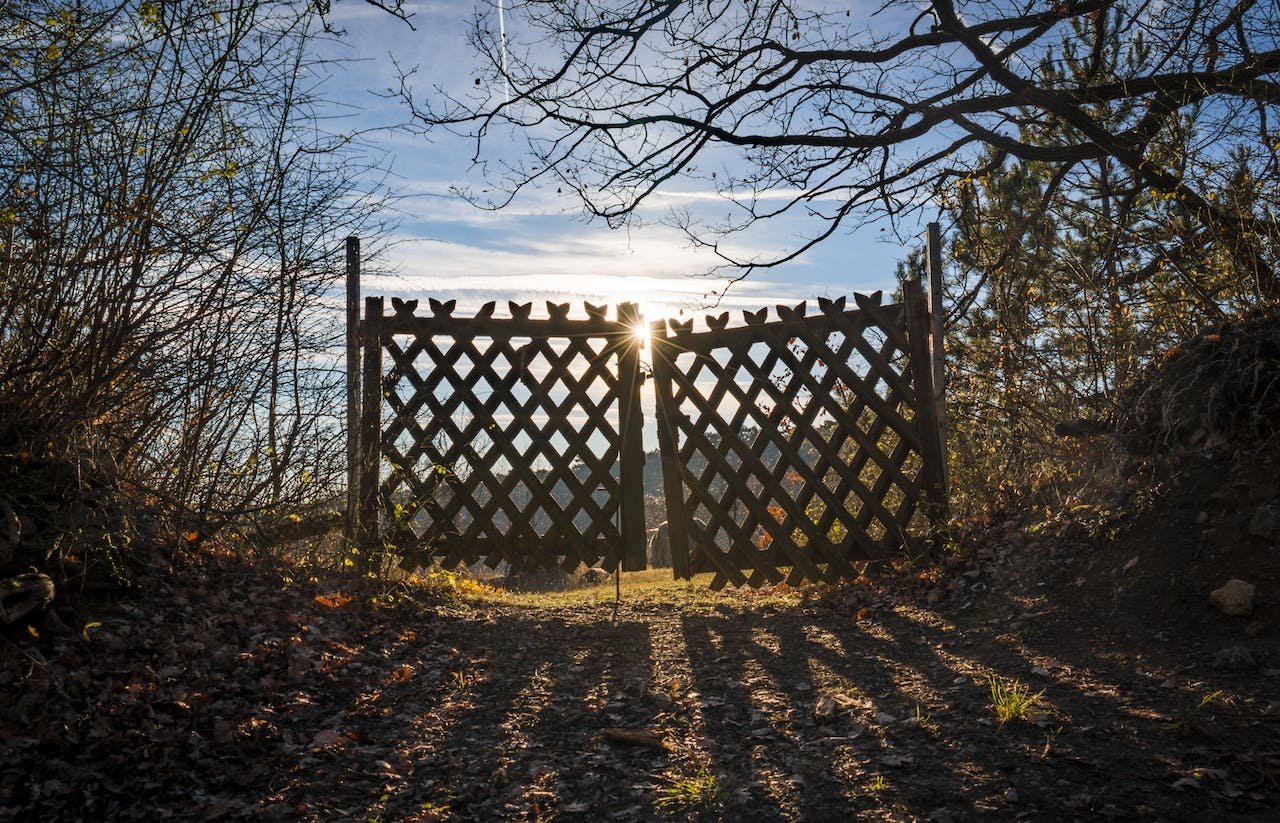
The gate serves as both a point of entry and a focal feature, combining function and style to elevate the look and performance of any fencing system.
A well-constructed fence defines a property, enhances privacy, and provides safety, but no fence is complete without a properly designed gate. The gate serves as both a point of entry and a focal feature, combining function and style to elevate the look and performance of any fencing system. For homeowners, businesses, and property managers, working with trusted local professionals ensures the project is done right from start to finish. A professionally built fence gate not only increases convenience but also strengthens the overall value and longevity of the fence itself.
Planning and design
Every successful fence gate installation begins with thoughtful planning and professional design. Experts start by evaluating the property layout, measuring grade changes, and identifying optimal placement for easy access and flow. These details influence how well the gate operates and how long it will last.
A professional fencing company designs each gate to align with the fence’s structure and the property’s architectural style. For instance, a wooden privacy fence may call for a solid framed gate, while a decorative iron fence might benefit from ornamental scrollwork or powder-coated finishes. Professionals consider both appearance and performance—ensuring the gate opens smoothly, resists sagging, and withstands environmental challenges.
Planning also accounts for the type of access the property requires. A narrow pedestrian gate, a wide double gate for vehicles, or an automated entry gate for commercial use all demand specific designs and reinforcements. During planning, professionals evaluate swing direction, hardware load, and necessary clearances to ensure the gate fits seamlessly into the fence line.
Professionally guided planning eliminates trial and error, producing a finished result that is not only practical but also adds aesthetic balance to the entire property.
Materials and tools
The quality of materials determines how well a gate performs and how long it lasts. Professional installers source premium materials specifically suited for the property’s conditions and intended use.
Wood gates are popular for their traditional look and warmth. Pressure-treated pine, cedar, and redwood resist rot and insect damage, making them reliable long-term options. Metal gates, such as steel, aluminum, or wrought iron, provide greater security and structural integrity. Aluminum, in particular, offers a lightweight, rust-resistant solution ideal for residential properties in humid or coastal areas.
Professionals also rely on high-quality hardware to support functionality and appearance. Stainless steel hinges, galvanized fasteners, and corrosion-resistant latches maintain alignment and prevent rust. For properties seeking enhanced security, heavy-duty locks or key-coded latch systems can be integrated into the design.
In addition to premium materials, expert installers use specialized tools and equipment to guarantee precision. Leveling tools, post anchors, torque wrenches, and industrial saws ensure that every cut, weld, and bolt contributes to a stable and long-lasting structure. Their precision and experience reduce installation time and eliminate common DIY mistakes that can cause misalignment or structural weakness.
Gate installation and construction
The installation process requires careful execution to achieve both strength and symmetry. Professionals begin by constructing the gate frame, which acts as the foundation for the entire structure. Reinforced frames, often supported by diagonal braces or welded joints, prevent the gate from sagging over time.
The installation process typically includes:
Measuring the gate opening to verify proper spacing for hinges and movement.
Installing posts in concrete footings for stability and alignment.
Assembling the gate frame to match design specifications.
Attaching boards, panels, or metal infill for the finished surface.
Installing hinges, latches, and handles with precision for smooth operation.
Professionals account for factors like soil type, slope, and weather exposure. In Phoenix or similar desert climates, for instance, expansion and contraction due to heat must be considered when installing both metal and wood gates. The use of professional-grade sealants and finishes ensures long-term performance despite extreme conditions.
A properly installed gate should swing effortlessly, align evenly with the fence, and maintain its form regardless of use. When handled by experts, every element—from structural design to final adjustments—is optimized for durability and aesthetics.
Finishing touches
After the core installation, the finishing phase transforms the gate from functional to exceptional. Professionals apply protective coatings, stains, or paints to defend against weathering and to enhance the overall design.
For wood gates, a UV-protective stain helps preserve color and texture while preventing cracking. For metal gates, powder coating or rust-resistant paint ensures longevity and maintains a clean, professional appearance. Some property owners opt for decorative features such as accent scrolls, laser-cut designs, or artistic patterns to personalize the look.
In many cases, professional services also include integrating post caps, solar lighting, or customized hardware finishes that complement the property’s exterior design. These final details turn a simple structure into a defining element of the landscape.
Maintenance and longevity
A high-quality gate installation is built to last, but routine maintenance ensures its performance over time. Professionals recommend inspections at least twice a year to catch early signs of wear or imbalance. Common maintenance steps include tightening fasteners, lubricating hinges, and cleaning debris from tracks or swing paths.
For wood gates, periodic re-staining or sealing prevents moisture damage. Metal gates may need occasional rust touch-ups or hinge adjustments. Automatic gates benefit from software checks, battery replacements, and professional servicing of mechanical components.
When maintained correctly, a professionally installed gate can last decades. Many fencing companies offer ongoing maintenance contracts to keep gates in top condition. These plans cover routine inspections and repairs, protecting the owner’s investment and ensuring continued functionality and curb appeal.
Integration with security and automation
Modern fence gates are designed not only for access and beauty but also for security. Professional installers can integrate a wide range of safety and automation features to match the property’s needs.
Options include keypad or card access systems, smart locks, and automatic openers operated by remotes or mobile apps. For commercial or government properties, additional features such as intercom systems, magnetic locks, and surveillance cameras can be added to enhance perimeter security.
Professional installation ensures these advanced systems are properly calibrated, securely wired, and compatible with the rest of the property’s infrastructure. Beyond convenience, automated gates improve safety, limiting access while providing quick entry for authorized users.
Environmental considerations
When designing and installing a fence gate, professionals also consider environmental and regional factors. Local weather patterns, soil composition, and exposure to sunlight all influence material choice and installation technique.
In dry climates like the Southwest, moisture-resistant materials such as aluminum or powder-coated steel are preferred for their durability under intense sun exposure. In wetter regions, treated lumber or stainless steel offers better protection against humidity and decay.
Professionals also focus on sustainability, offering eco-friendly materials and finishes that minimize environmental impact. Recycled metals, water-based stains, and responsibly sourced wood are common options that support both performance and environmental responsibility.
Why hiring professionals matters
Building a fence gate may look simple, but precision is critical. Without the right experience and tools, even minor errors in measurement or alignment can lead to sagging, warping, or latch failure. Hiring a professional fencing company ensures the gate is constructed and installed correctly the first time.
Professionals provide:
Expert design tailored to property layout and style.
Compliance with local building codes and HOA guidelines.
Access to commercial-grade materials not available in retail stores.
Warranties covering materials and workmanship.
Long-term service and repair options for sustained performance.
By choosing a professional service, homeowners avoid the time, stress, and expense of fixing DIY errors. They also gain peace of mind knowing the installation meets all safety and structural standards.
Local professionals also bring invaluable insight into regional conditions, such as how temperature fluctuations or soil expansion affect post stability. Their local expertise ensures that each project is engineered to withstand both environmental challenges and everyday use.
Frequently Asked Questions
What materials are best for fence gates?
Professionals recommend materials based on the environment and design goals. Pressure-treated wood, aluminum, steel, and wrought iron are all durable, visually appealing choices for residential and commercial properties.
How long should a professionally installed fence gate last?
With proper maintenance, a professionally built gate can last 20 to 30 years or more. Regular inspections and high-quality finishes extend its lifespan significantly.
Do professional installers offer custom designs?
Yes. Professional fencing services create custom gates that reflect the homeowner’s style, including decorative accents, automation features, and color-matched finishes.
How often should a fence gate be maintained?
Twice-yearly inspections are recommended, especially after seasonal weather changes. Maintenance includes tightening hinges, reapplying coatings, and checking for wear or rust.
Can local professionals install automated gates?
Absolutely. Trusted local professionals specialize in installing and maintaining automated systems that include remote entry, keypad access, and smart-home integration.
Key takeaways
A fence gate is more than an entryway—it’s a key element of a property’s design, functionality, and security. Professionally installed gates combine strength, precision, and beauty, offering a seamless blend of performance and style. From planning and material selection to final finishing, professional services guarantee quality that lasts for decades.
By partnering with trusted local fencing professionals, property owners can enjoy a custom gate designed to match their needs, withstand their environment, and enhance their property’s value. Whether for residential, commercial, or public spaces, a well-built gate is an investment in safety, convenience, and long-term curb appeal.
