
Choosing the Right Fence for a Property
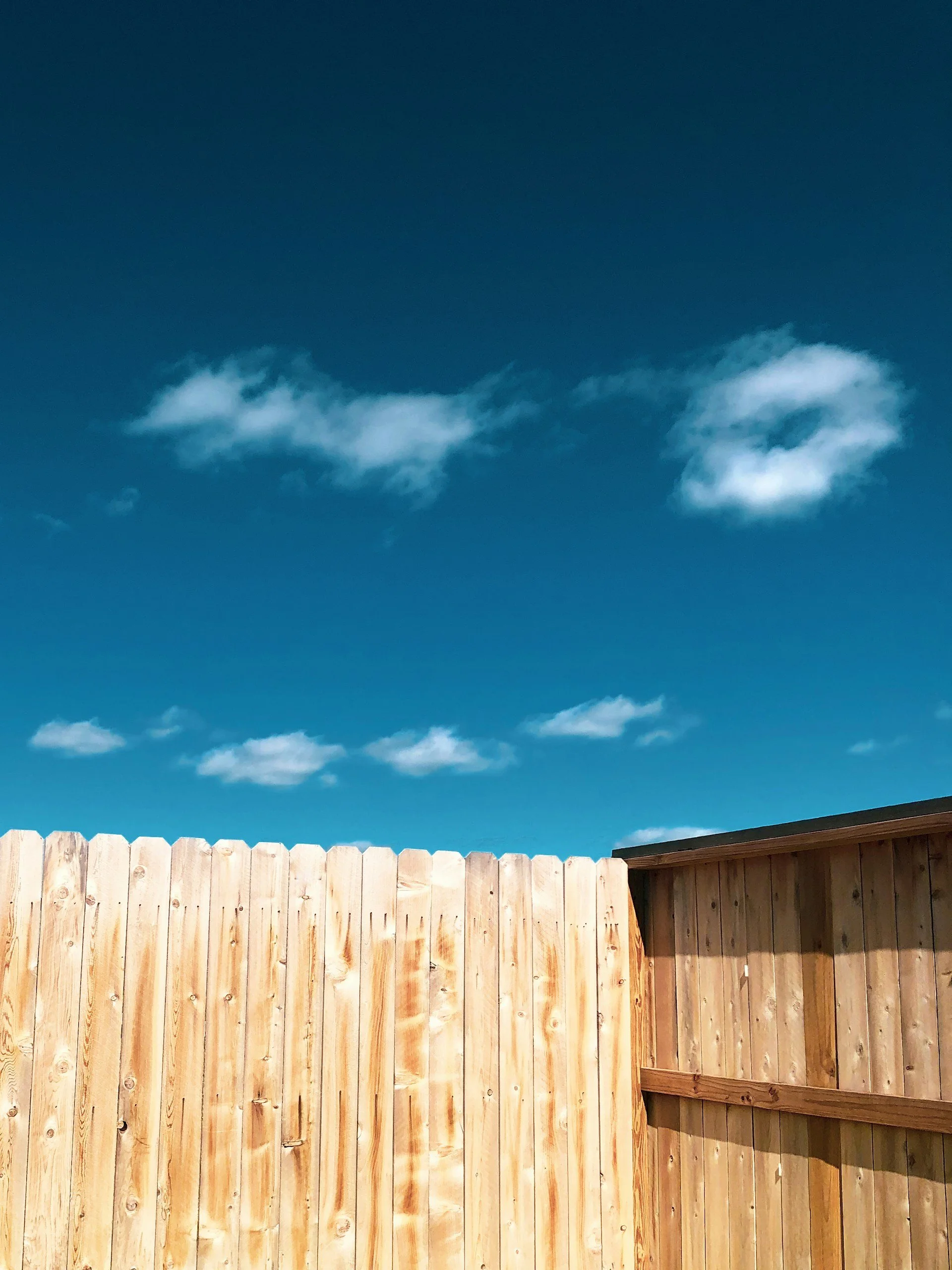
The right fencing choice can complement a home’s architecture, improve resale value, and create a welcoming atmosphere while protecting what matters most.
A fence does more than mark boundaries—it enhances privacy, secures the property, and elevates curb appeal. The right fencing choice can complement a home’s architecture, improve resale value, and create a welcoming atmosphere while protecting what matters most. For homeowners and property managers, selecting the right fence means balancing aesthetics, functionality, and compliance with local regulations. Partnering with trusted local fencing professionals ensures that every element—from material selection to installation—is completed with precision and built to last.
What should the fence do?
Before selecting a fence, determine its primary purpose. Is the goal to increase privacy, improve security, or enhance appearance? Professional installers often begin by assessing the homeowner’s needs and the layout of the property to recommend the best solution.
Privacy fences, often made from wood, vinyl, or composite materials, create secluded outdoor spaces perfect for relaxation or entertaining. These fences are typically taller, reducing visibility from neighboring lots or public streets. However, they may give a property a more enclosed feel, so it’s essential to choose a design that balances privacy with openness.
For security purposes, fences built from durable materials such as wrought iron, aluminum, or steel provide reliable protection without compromising visibility. These options are ideal for properties that prioritize safety and durability over complete enclosure. Decorative metalwork can be added for style while maintaining the fence’s strength.
If the goal is to enhance aesthetics, professionals can design ornamental fences that highlight landscaping, accentuate architectural features, or create inviting garden borders. Whether functional, decorative, or both, a fence designed with professional guidance ensures that form and purpose work in harmony.
Fence materials
Choosing the right fencing material is one of the most critical decisions for any property owner. Each type offers distinct advantages, aesthetics, and maintenance requirements. Professional fencing services help clients evaluate factors like durability, budget, climate, and long-term maintenance before installation.
Wood is one of the most popular choices for residential fencing for its natural beauty and versatility. It blends seamlessly into most landscapes and can be painted or stained to complement any exterior. Cedar and redwood are preferred by professionals for their resistance to decay and pests, but all wood fences require periodic sealing or staining to maintain their condition.
Vinyl is a modern alternative for homeowners who want the look of wood without the ongoing upkeep. It is resistant to moisture, rot, and fading, making it ideal for humid or sun-exposed environments. Although it has a higher upfront cost, its low-maintenance nature saves money over time.
Aluminum offers the appearance of wrought iron but is lighter and more affordable. It is an excellent option for properties that want elegance without the rust concerns associated with steel. For areas that require strong, long-lasting security solutions, wrought iron remains a top-tier material. Its durability, combined with custom decorative options, makes it both practical and visually stunning.
Chain link fencing, while less decorative, remains a cost-effective solution for securing large areas. It provides visibility and durability, making it ideal for backyards, playgrounds, and commercial spaces. Privacy slats can be added for a more enclosed look without sacrificing the benefits of affordability.
Ultimately, professional installers help homeowners weigh the pros and cons of each option, ensuring the material matches both the property’s goals and environmental conditions.
Fence height and design
Fence height and design are influenced by functional needs and legal requirements. Local building codes, zoning regulations, and homeowners’ association (HOA) guidelines often dictate the maximum allowable height and approved materials. Most residential backyard fences are restricted to six or eight feet, while front yard fences may have stricter limits to preserve neighborhood aesthetics.
Professional fencing contractors are familiar with these local codes and can secure necessary permits on behalf of homeowners. They design fences that comply with local standards while achieving the desired level of privacy and security.
A well-designed fence complements the home’s architectural style and enhances curb appeal. Picket fences, for example, are a timeless choice that adds charm without creating a closed-off look. Decorative lattice or trellis panels can increase privacy while allowing airflow and supporting climbing plants. For contemporary homes, horizontal slat fences offer a clean, modern aesthetic that blends sophistication with privacy.
Professionals can also incorporate custom features such as accent lighting, arched gates, or ornamental tops that personalize the design and increase functionality. Every fence design should blend beauty, purpose, and compliance—something professional installers excel at achieving.
Professional installation vs. DIY
While it may be tempting to install a fence independently, professional installation ensures superior results and long-term performance. Fence construction involves precise measurements, post-setting, and material handling that require experience and specialized tools.
DIY installations often result in common problems like uneven panels, unstable posts, or sagging sections. Professionals eliminate these issues by using proper leveling techniques, high-quality hardware, and correct anchoring methods. They also understand soil conditions and can reinforce installations for stability, especially in areas prone to shifting ground or heavy winds.
Professional installers offer warranties on materials and labor, giving homeowners peace of mind. Additionally, experts handle complex challenges such as working around slopes, trees, or existing structures while ensuring the fence line remains visually consistent and structurally sound.
Although hiring professionals involves higher upfront costs, the long-term savings from reduced maintenance, fewer repairs, and guaranteed quality far outweigh the expense. For homeowners seeking a smooth, efficient installation process, trusting local fencing specialists is the most reliable choice.
Sustainability and maintenance
Today’s homeowners are increasingly focused on sustainability, and fencing materials have evolved to meet that demand. Many professional installers offer eco-friendly materials, such as recycled composite fencing, sustainably sourced wood, and low-VOC paints or stains. These choices reduce environmental impact while maintaining durability and visual appeal.
Maintenance requirements vary by material. Wood fences need periodic sealing or staining, vinyl requires simple washing to remove dirt, and aluminum or iron fencing may benefit from occasional touch-up painting to prevent corrosion.
Professionals often provide scheduled maintenance services, including inspections, minor repairs, and refinishing. These services extend the fence’s lifespan and keep it looking its best year-round. Regular maintenance not only protects the investment but also maintains compliance with HOA or neighborhood appearance standards.
Climate considerations
Environmental conditions play a major role in material selection. In hot, arid climates such as the Southwest, vinyl and aluminum perform exceptionally well because they resist heat and UV damage. In regions with heavy rainfall, treated wood or composite materials prevent moisture absorption and decay.
Professional fencing contractors take these local climate factors into account before installation. They recommend materials and finishes specifically suited to the region, ensuring long-term stability and minimizing wear. This level of expertise allows property owners to make informed decisions that enhance both the fence’s performance and its longevity.
Cost and value
Budget is always a key consideration when choosing a new fence, but the cheapest option isn’t always the best. Professional installers emphasize value rather than just cost, helping property owners choose materials that provide the right balance between affordability, durability, and maintenance needs.
For example, while chain link fencing offers a lower initial cost, wood and vinyl provide greater visual appeal and potential resale value. Wrought iron and aluminum, though more expensive upfront, last significantly longer with minimal maintenance. Professional consultation ensures that the final choice supports both short-term financial goals and long-term property improvement.
Investing in professional installation also adds value by increasing security, reducing repair costs, and enhancing property appeal. A properly designed and installed fence can boost a property’s market value, making it a worthwhile long-term investment.
Getting ready for a new fence
Selecting the right fence involves evaluating materials, height, design, and functionality to find the ideal balance of form and performance. Professionals help simplify the process, guiding homeowners through each decision while ensuring compliance with local building codes and HOA regulations.
Once a design is finalized, professional installers handle everything from site preparation and permitting to post-setting and finishing. The result is a fence that looks beautiful, functions perfectly, and stands the test of time.
For property owners, working with trusted local fencing professionals means peace of mind, efficient installation, and guaranteed craftsmanship. Whether the goal is privacy, protection, or visual enhancement, a professionally built fence transforms a property into a more secure and inviting space.
Frequently Asked Questions
What fence material is best for long-term durability?
Wrought iron and aluminum offer superior durability and require minimal maintenance. For a natural look, treated wood or composite fencing provides lasting performance with proper upkeep.
Do I need a permit to install a fence?
In most areas, a permit is required for new fence installations. Professional fencing companies handle local permitting and ensure the design meets all municipal and HOA requirements.
How high can my fence be?
Most residential backyard fences can be between six and eight feet tall, while front yard fences are typically limited to four feet. Local regulations vary, so consulting a professional ensures compliance.
Which fencing options offer the most privacy?
Solid wood and vinyl panels are top choices for privacy fencing. Composite materials and tall lattice designs can also block visibility while maintaining an attractive appearance.
Is professional installation worth it?
Yes. Professional installation ensures structural integrity, proper alignment, and code compliance, preventing costly mistakes and future repairs.
