
Choosing the Best Wood Fence for Phoenix Homes
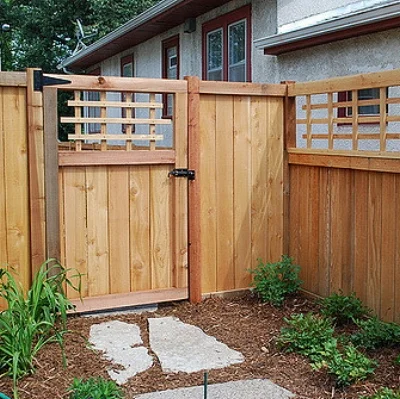
Whether it’s the classic white picket look or a solid privacy barrier, a well-built wood fence transforms your property’s character while standing up to the Arizona climate.
Wood fences have defined property lines and enhanced curb appeal for centuries. They create privacy, offer protection, and bring timeless beauty to any yard. Whether it’s the classic white picket look or a solid privacy barrier, a well-built wood fence transforms your property’s character while standing up to the Arizona climate.
Phoenix homeowners often opt for wood fencing due to its natural warmth, versatility, and numerous custom style options. However, with numerous wood types available, knowing which one suits your home’s look, budget, and long-term needs can make a significant difference. Let’s explore the top options and what makes them stand out.
Cedar: The Reliable Classic
Cedar continues to be one of the most popular choices for wood fences, and for good reason. It is naturally resistant to rot, decay, and insect damage, making it ideal for Arizona’s dry conditions. The natural oils in cedar deter termites and other pests, and the wood’s tight grain gives it impressive strength and longevity.
Cedar also delivers stunning color and texture. Fresh cedar starts with a reddish hue that can fade into a soft silver-gray patina if left untreated. Many Phoenix homeowners appreciate this weathered aesthetic, though sealing or staining can preserve the original color for years.
Because of its durability, cedar fences require minimal maintenance and perform exceptionally well in sun-exposed environments. The upfront cost may be higher than pine or spruce, but the payoff is a fence that lasts for decades with minimal upkeep.
Pine: Affordable and Adaptable
For homeowners seeking a budget-friendly wood fence, pine is a solid choice. Pressure-treated pine is especially durable and can withstand Phoenix’s heat and occasional storms. The treatment process safeguards the wood from rot and insects, significantly extending its lifespan.
Pine’s light, natural color makes it a versatile choice. It takes stains and paints beautifully, allowing you to complement your fence to your home’s exterior or landscape style. Because pine is softer than cedar or redwood, it is easier to work with during installation, but it may require more frequent maintenance and re-staining to protect against sun exposure and warping.
Southern Yellow Pine, a common choice in fence construction, is known for its strength and affordability. When properly sealed, a pine fence can offer many years of reliable performance.
Cypress: Southern Strength and Style
Cypress is an outstanding option for wood fencing thanks to its elemental resistance to rot and insects. It contains cypretine, a preservative oil that makes it highly resilient even in humid conditions. Although cypress trees grow primarily in the southern United States, many homeowners in Phoenix appreciate the wood’s density and its beautiful, light hue.
Cypress weathers gracefully, aging to a silvery finish if left unstained. While it is typically more expensive due to shipping costs, the wood’s durability and low-maintenance qualities make it worth the investment for homeowners seeking long-term performance and natural charm.
Redwood: The Elegant Premium Choice
If you are aiming for luxury and longevity, redwood is the ultimate wood fencing material. Known for its rich color and extraordinary durability, redwood is naturally resistant to insects and decay. It is denser than most other woods and requires minimal chemical treatment, making it an environmentally conscious option.
Redwood’s beauty is unmatched. Its deep red tones and smooth texture elevate any property’s look. However, redwood comes with a higher price tag, and ongoing sealing or staining is recommended to maintain its vibrant color under the Arizona sun. Many homeowners choose redwood for front-yard fencing or statement sections rather than full-perimeter installations to balance cost with curb appeal.
Douglas Fir: Strength and Practicality
Douglas fir offers an excellent balance of strength, affordability, and aesthetic appeal. It is commonly used in construction and performs well as fencing material when properly treated. Its straight grain and pale color provide a clean, modern look that suits both contemporary and traditional Phoenix homes.
While Douglas fir is not as naturally rot-resistant as cedar or redwood, regular sealing and staining can significantly improve its longevity. For homeowners seeking a sturdy, structural fence without incurring premium prices, Douglas fir is a reliable option that withstands well in dry climates.
Spruce: Cost-Effective and Versatile
Spruce is a popular material for stockade-style fencing due to its affordability and straight grain. Though it lacks the natural oils found in cedar or cypress, it can perform well with proper sealing and maintenance. Spruce is often used in pre-fabricated panels, making it a convenient choice for large residential or commercial fencing projects.
Because spruce accepts paint and stain easily, it is an excellent choice for those wanting to customize their fence’s color. While it may not last as long as cedar, its upfront cost savings and flexible design options make it attractive for many property owners.
Pressure-Treated Wood: Built to Endure
Pressure-treated wood combines affordability with enhanced durability. The treatment process infuses chemical preservatives into the wood, protecting it against rot, decay, and termite damage. For Phoenix homeowners, this means a longer-lasting fence that can handle intense sun exposure and occasional moisture.
Although pressure-treated lumber does not have the same natural color variation as cedar or redwood, it is easy to paint or stain to complement your aesthetic. Regular maintenance, including cleaning and re-sealing, will help preserve the fence’s integrity and appearance over time.
Choosing the Right Wood Fence for Phoenix Homes
Selecting the right fencing material is not just about looks. It is about performance in your local environment. Arizona’s climate demands wood that resists cracking, fading, and warping from the sun. Cedar, redwood, and treated pine are top contenders for Phoenix due to their ability to withstand heat and resist insect damage.
For privacy, cedar and cypress are excellent choices due to their density and sound-blocking capabilities. If you're looking for a modern style, horizontal cedar or redwood planks paired with steel posts create a sleek and durable design. For ranch-style or traditional properties, classic picket or stockade fencing made from pine or fir may be the perfect fit.
Maintaining Your Wood Fence
Even the best types of wood fencing require care to maintain their appearance. Here is how to maintain your wood fence in Phoenix’s desert climate:
Clean annually using mild soap and water to remove dust and debris.
Re-stain or seal every two to three years with a UV-resistant product to prevent fading and cracking.
Inspect regularly for signs of warping, splitting, or termite activity.
Trim nearby plants to prevent moisture from accumulating against the fence.
With consistent care, your wood fence will stay strong, attractive, and secure for years.
Why Choose a Professional Fence Company
While DIY projects may seem appealing, installing wood fencing is best left to professionals. A licensed fence company in Phoenix, such as Sereno Fence, is familiar with local soil conditions, building codes, and HOA regulations. Professional installers can recommend the right wood type, post depth, and treatment for lasting performance. Quality craftsmanship confirms that your fence not only looks great but also withstands the elements for decades.
FREQUENTLY ASKED QUESTIONS
What type of wood fence lasts the longest in Phoenix?
Cedar and redwood tend to last the longest due to their natural oils and resistance to insects and rot.
How often should I seal or stain my wood fence?
In the Arizona sun, reapply sealant or stain every two to three years to protect against fading and cracking.
Is pine a good choice for a wood fence in Arizona?
Yes, if it is pressure treated. Treated pine offers affordability and decent durability when properly maintained.
Can I mix materials, such as wood and metal, for my fence?
Absolutely. Many homeowners opt for wood planks paired with metal posts for added strength and a modern aesthetic.
How long does a wood fence installation take?
Most residential installations in Phoenix take two to five days, depending on yard size and design complexity.
Which fence style offers the best privacy?
Solid panel cedar or redwood fences provide excellent privacy and noise reduction.
Are wood fences environmentally friendly?
Many wood types, especially cedar and redwood, are sourced from sustainable forests, and wood is a biodegradable material.
Can wood fences handle the desert heat?
With the right type of wood and regular maintenance, wood fences hold up well even in extreme heat.
Do local HOAs regulate wood fence materials or heights?
Most do. Professional installers can review HOA guidelines to secure compliance before installation.
Where can I find expert wood fence installation near me in Phoenix, AZ?
Sereno Fence specializes in premium wood fencing for homes and businesses throughout Phoenix and the surrounding areas.
Final Thoughts
Choosing the right type of wood fencing is about more than marking a property line. It is about adding beauty, security, and long-term value. Whether homeowners prefer the timeless charm of cedar, the refined elegance of redwood, or the affordability of pine, a fence should reflect both the homeowner’s style and environment. With expert installation and proper care, a wood fence will stand proudly for decades as a signature feature of a Phoenix home.
