
Chain Link Fence Repairs: When to Repair vs. Replace Sections and What It Costs
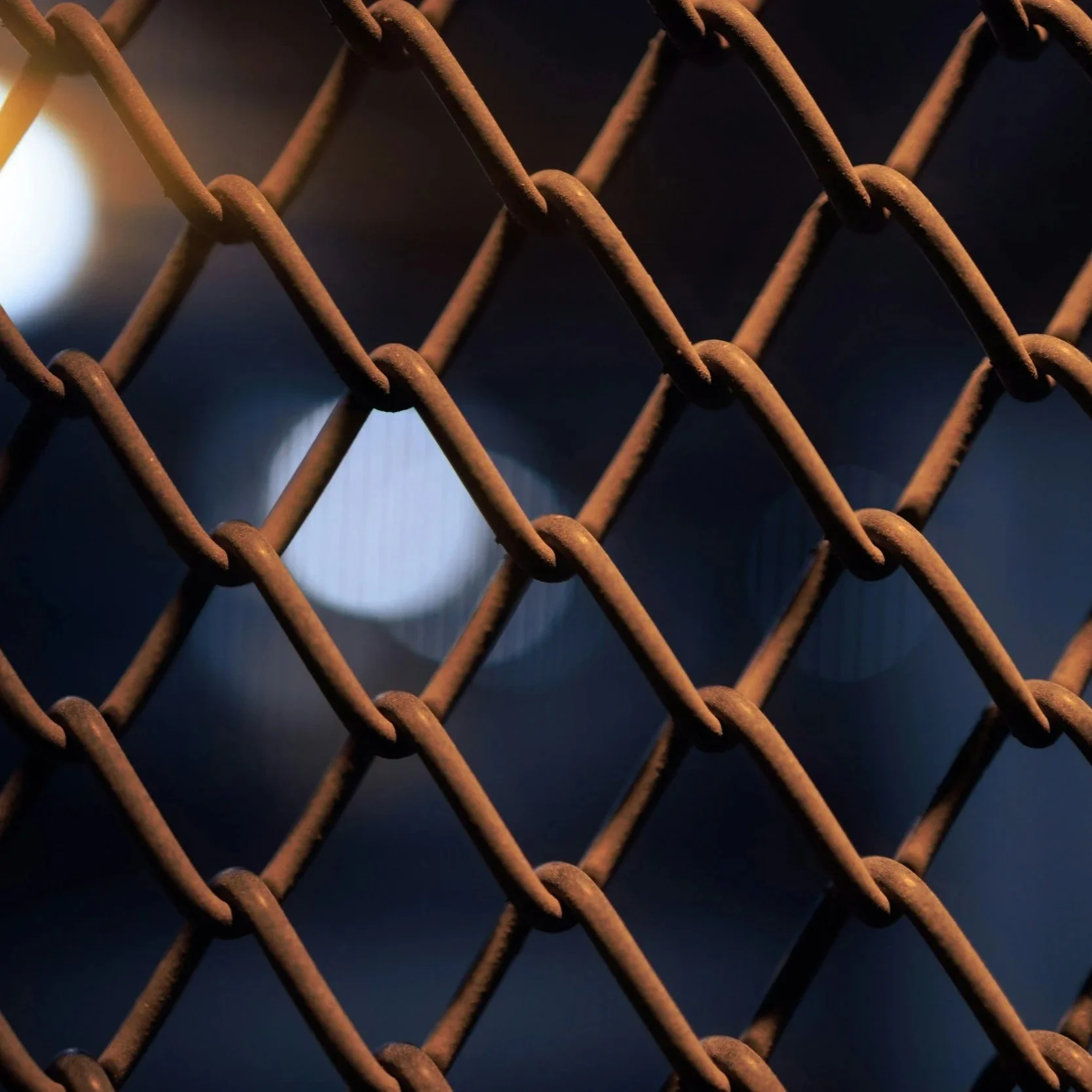
Over time, damage appears in the form of bent fabric, rusted components, leaning posts, or malfunctioning gates.
Chain link fencing earns its reputation through durability, flexibility, and cost control, yet no fence lasts forever without attention. Commercial properties place constant demands on fencing systems through vehicle traffic, pedestrian use, weather exposure, and daily gate operation. Over time, damage appears in the form of bent fabric, rusted components, leaning posts, or malfunctioning gates. When that damage becomes noticeable, property owners face a common question: Does the fence need repair, or does replacement make more sense?
The answer depends on the type of damage, how widespread it is, and how the fence functions as a system. Repairing isolated issues can restore performance efficiently, while replacing sections becomes the smarter option when structural integrity is compromised. Understanding the difference helps control costs, avoid unnecessary downtime, and extend the useful life of commercial fencing.
Why Chain Link Fences Fail Over Time
Chain link fences rarely fail all at once. Problems usually develop gradually as stress accumulates across multiple components. Heat expansion loosens hardware. Wind flexes fabric and rails repeatedly. Soil movement affects post alignment. Minor vehicle contact bends rails or stretches fabric. These factors interact over time rather than acting independently.
In Phoenix, AZ, environmental conditions accelerate this process. Intense sun degrades coatings, dust storms abrade surfaces, and monsoon rains affect soil stability around posts. A fence that appears serviceable at a glance may already show early signs of deeper issues beneath the surface.
Evaluating whether repair or replacement makes sense requires looking beyond the visible damage and understanding how that damage affects the overall system.
Types Of Chain Link Fence Damage That Can Be Repaired
Many common fence issues remain well-suited for targeted repair, especially when damage stays localized, and the surrounding structure remains sound. Fabric damage represents one of the most repairable problems. Torn, cut, or stretched sections can often be replaced without disturbing adjacent areas, provided posts and framework remain stable.
Minor rust also falls into the repair category when caught early. Surface corrosion at ties, rails, or limited fabric sections can be cleaned, treated, and recoated before it spreads. Addressing rust early prevents deeper penetration that would otherwise require component replacement.
Loose hardware and sagging fabric often respond well to retensioning and reattachment. Over time, ties loosen, and fabric stretches slightly. Professional adjustment restores proper tension and alignment without replacing materials unnecessarily.
Gate-related issues frequently qualify for repair as well. Misaligned hinges, worn rollers, or loose latches often result from gradual wear rather than structural failure. When gate frames and posts remain plumb, targeted hardware repair restores smooth operation at a fraction of replacement cost.
When Fence Repairs Stop Making Sense
Repair becomes less effective when damage affects structural components or spreads across large areas. Leaning or rotted posts represent one of the clearest indicators that replacement may be necessary. Posts form the foundation of the fence system. When they shift or deteriorate, fabric repairs alone will not hold.
Widespread rust presents another tipping point. Corrosion that penetrates beyond the surface level weakens the wire and framework, reducing load-bearing capacity. Repeated patching of rusted sections often costs more over time than replacing affected runs entirely.
Multiple repairs clustered along the same fence line also signal diminishing returns. If fabric requires repeated replacement due to poor tension or unstable posts, replacement becomes the more reliable option. Repairing symptoms without addressing underlying causes leads to ongoing expense and frustration.
Fence height and usage changes can also drive replacement decisions. A fence originally designed for low-risk use may no longer meet current security or safety needs. In those cases, replacing sections with updated specifications provides better long-term value than repairing outdated infrastructure.
Evaluating Damage to the Fence Component
Breaking down damage by component helps clarify repair versus replacement decisions. Fabric damage alone often favors repair, especially when limited to small areas. Fabric sections can be cut out and replaced cleanly when posts and rails remain solid.
Rail damage requires closer evaluation. Slightly bent top rails may be repairable through the replacement of individual sections. Severely bent or corroded rails across multiple spans often indicate the need for broader replacement to restore alignment and strength.
Post damage carries the greatest weight in decision-making. Posts that lean, crack at the base, or show advanced corrosion undermine the entire fence. Replacing fabric attached to failing posts rarely produces lasting results. In many cases, replacing the affected fence run, including posts, proves more cost-effective.
Gate systems require evaluation as complete units. A sagging gate caused by hinge wear may be repairable, while sagging caused by post movement usually requires post replacement or full gate system replacement to restore reliable operation.
Safety And Liability Considerations
Safety plays a major role in deciding whether to repair or replace fencing. Sharp edges, loose fabric, and unstable posts create hazards for employees, customers, and contractors. Temporary repairs that leave underlying instability unaddressed increase liability exposure.
Visibility also factors into safety decisions. Damaged fencing near driveways, intersections, or pedestrian areas can block sightlines or encourage unsafe shortcuts. Replacement may provide the opportunity to improve layout and visibility rather than restoring outdated configurations.
Code compliance adds another layer. Repairs that bring a fence back to its original condition may still leave it noncompliant with current requirements. Replacement allows updates to height, placement, and design that align with current standards.
Cost Factors In Chain Link Fence Repairs
Repair costs vary widely based on damage type, material quality, and access conditions. Fabric repairs typically represent the lowest cost category. Replacing small sections involves material cost for fabric and ties, plus labor for cutting and reweaving.
Post-repair increases cost due to excavation and concrete work. Replacing a single post may remain cost-effective, while replacing multiple posts along a run often shifts the balance toward section replacement.
Gate repairs vary depending on hardware complexity. Simple hinge or latch repairs remain affordable. Roller replacement or operator adjustment increases cost but often still compares favorably to full gate replacement.
Labor access influences cost significantly. Fences near buildings, landscaping, or utilities require additional time and care. Security fencing around active operations may require scheduling accommodations that affect labor expense.
Cost Factors In Fence Section Replacement
Replacing fence sections involves a higher upfront cost but often delivers better long-term value. Replacement costs include removal of damaged sections, new posts and footings, framework, fabric, and installation labor.
Fence height and gauge influence replacement cost directly. Taller fences require deeper footings, heavier posts, and more material. Heavier gauge fabric costs more but delivers improved durability.
Site conditions matter as well. Rocky soil, uneven grades, and restricted access increase labor and equipment needs. However, replacement allows installers to correct previous installation deficiencies, such as shallow footings or improper spacing.
While replacement costs more initially, it often resets maintenance cycles and reduces recurring repair expenses over time.
Comparing Short-Term And Long-Term Costs
Short-term cost often favors repair, especially for isolated issues. Long-term cost favors replacement when repairs become frequent or structural problems persist. Evaluating total ownership cost rather than immediate expense leads to better decisions.
Repeated repairs consume labor, disrupt operations, and rarely address underlying causes. Replacement consolidates expenses into a single project that restores performance and reliability. Over a five to ten-year horizon, replacement frequently proves less expensive than ongoing repair.
Professional assessment helps quantify this comparison realistically rather than relying on assumptions.
Impact Of Climate On Repair Versus Replacement Decisions
Arizona climate conditions influence how repairs perform over time. Heat and wind place continuous stress on patched sections. Fabric repairs near corroded posts often fail sooner due to ongoing movement.
Replacement allows upgraded specifications that better handle local conditions. Deeper footings, closer post spacing, heavier gauge fabric, and improved coatings all enhance performance under desert conditions.
In Phoenix, AZ, climate-aware replacement often outperforms repeated repairs that attempt to preserve older installations not designed for current exposure.
Appearance And Property Image Considerations
Fence condition affects property perception. Mismatched repairs, visible patches, and uneven alignment detract from the appearance, even if the fence remains functional. High-visibility commercial properties often favor replacement to restore a uniform, professional look.
Replacement also allows aesthetic upgrades, such as vinyl coating or an updated gate design that aligns with branding goals. While appearance alone should not drive decisions, it often becomes an important secondary factor.
Repairs remain appropriate when visual consistency can be maintained, and damage remains discreet.
Timing Repairs And Replacement Strategically
Timing influences cost and disruption. Emergency repairs typically cost more due to scheduling constraints. Planned repairs allow coordination with operations and reduce downtime.
Replacement projects benefit from proactive scheduling. Planning replacement before failure avoids emergency conditions and allows better pricing and execution. Coordinating replacement with other site improvements further reduces disruption.
Professional contractors help property managers work strategically rather than reacting to failures.
Why Professional Evaluation Matters
Determining whether to repair or replace chain link fencing requires experience with how systems behave over time. Professional evaluation looks beyond visible damage to assess posts, footings, tension, and framework integrity.
Professionals also consider future needs. Anticipated traffic increases, security upgrades, or site changes may influence whether repair makes sense or replacement provides better flexibility.
Expert guidance prevents wasted spending on short-term fixes that fail prematurely.
Repair And Replacement As Part Of Asset Management
Viewing fencing as an asset rather than a static structure improves decision-making. Repairs maintain value when used appropriately. Replacement renews value when systems reach the end of their effective life.
Asset-based thinking aligns repair and replacement decisions with budget planning and risk management. Rather than reacting to damage, property owners make informed choices based on performance and lifecycle.
For commercial properties, this approach supports smoother operations and predictable expenses.
Long-Term Outcomes Of Choosing Correctly
Choosing repair when appropriate extends fence life efficiently. Choosing replacement when necessary prevents recurring problems and escalating costs. The key lies in honest evaluation rather than defaulting to the cheapest immediate option.
Well-maintained fencing supports security, safety, and appearance simultaneously. Over time, correct decisions reduce downtime, liability exposure, and total ownership cost.
For commercial properties in Phoenix, AZ, understanding when to repair versus replace chain link fencing represents a practical strategy for managing infrastructure under demanding conditions.
Frequently Asked Questions About Chain Link Fence Repair vs Replacement
how do i know if my chain link fence needs repair or replacement?
Chain link fences with localized fabric damage, loose fittings, or minor hardware issues can often be repaired effectively. However, leaning posts, widespread rust, recurring failures, or significant structural movement usually signal that replacement is the more reliable and cost-effective solution for long-term performance.
is it cheaper to repair or replace a chain link fence?
Repairs are typically cheaper upfront and work well for isolated issues that do not affect the overall structure. When damage becomes frequent or compromises posts and framework, replacement often delivers better long-term value by reducing ongoing maintenance and preventing repeated repair costs.
can rusted chain link fencing be repaired?
Early-stage rust can usually be cleaned, treated, and sealed to slow corrosion and restore appearance. Advanced rust that weakens the wire or spreads across multiple sections often requires partial or full section replacement to maintain safety and structural integrity.
do gate issues usually require full replacement?
Many chain link gate problems are caused by worn hinges, latches, or misalignment and can be repaired without replacing the entire gate. Full replacement is typically only necessary when gate frames are warped or posts have shifted enough to prevent proper operation.
how does arizona’s weather affect repair decisions?
Arizona’s heat, wind, and dust accelerate wear on chain link fencing, especially older systems not designed for desert conditions. In these cases, replacement may be the better option when repeated repairs fail to address ongoing deterioration caused by extreme environmental exposure.
Sereno Custom Fence & Gates offers a complete, one-stop solution for professional residential fence services in the Phoenix area, including chain link fences, composite fences, and aluminum fences to temporary fences. Our experienced team uses high-quality materials to create durable, stylish, and secure fencing with a focus on protection, curb appeal, and long-term performance. Whether you need a custom fence installation or temporary fencing solutions, we provide timely, reliable service and trusted results. Schedule your fence project today and enjoy a beautiful, secure property.
