
Chain Link Fence Installation 101: Post Spacing, Concrete Footings, and What Affects Cost
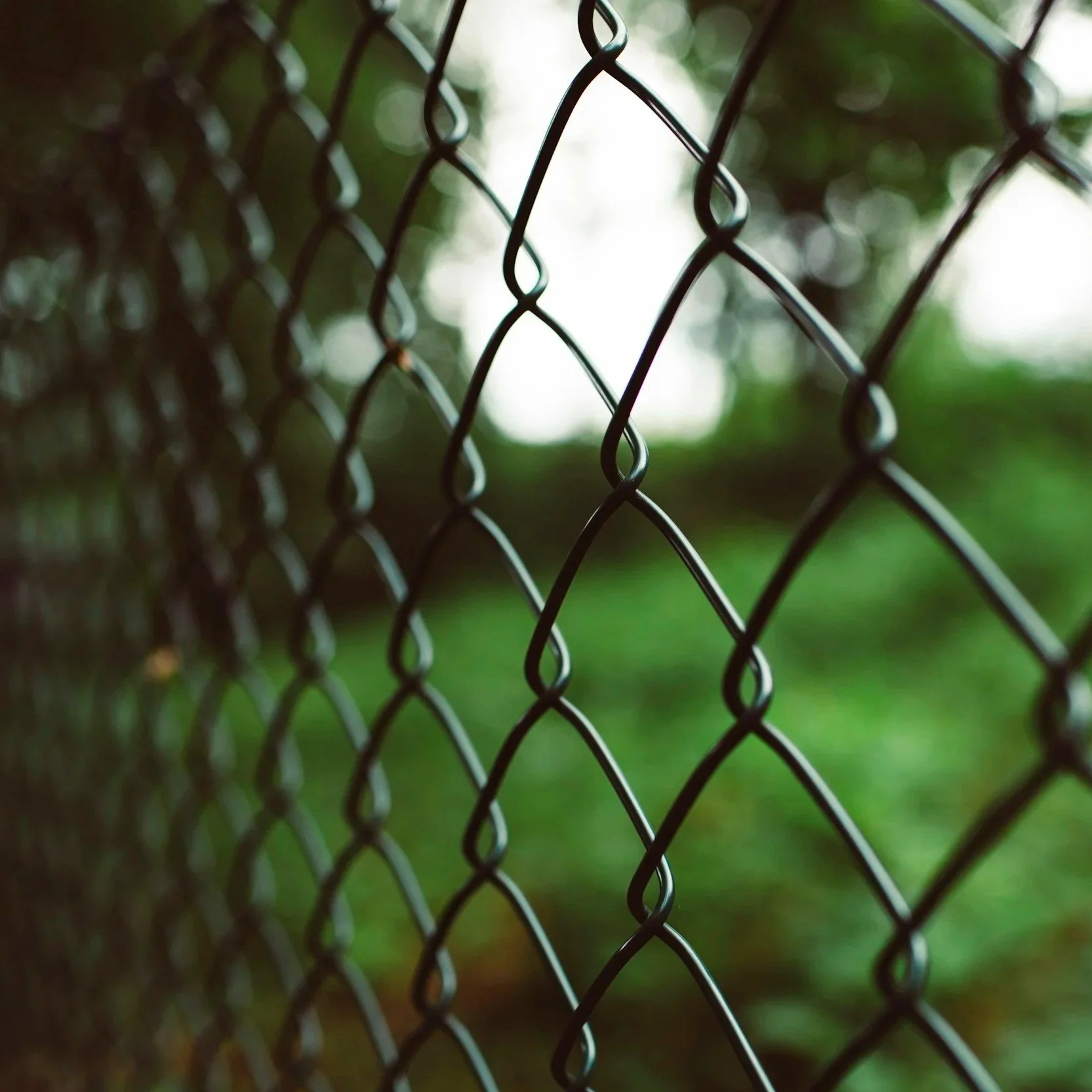
For commercial properties, chain link fence installation is not simply about putting posts in the ground and stretching fabric.
Chain link fencing remains one of the most widely used solutions for commercial properties because it offers strength, visibility, and flexibility across many applications. While the finished fence may look straightforward, proper installation requires careful planning and technical precision. Post spacing, concrete footings, and site-specific conditions all influence how the fence performs over time. When installation details are overlooked, even high-quality materials can fail prematurely, leading to sagging fabric, leaning posts, and recurring repairs.
For commercial properties, chain link fence installation is not simply about putting posts in the ground and stretching fabric. It involves understanding load forces, soil behavior, traffic exposure, and long-term maintenance expectations. A professionally installed fence functions as a durable system rather than a collection of individual parts. Knowing what goes into proper installation helps property owners understand cost differences and avoid shortcuts that compromise performance.
Why Installation Quality Matters For Chain Link Fencing
Chain link fencing relies on tension and alignment to remain effective. Every post, rail, and tie works together to distribute force evenly across the system. Improper installation disrupts that balance, causing stress to concentrate in specific areas. Over time, those stress points lead to visible problems such as sagging fabric, loose rails, and gate misalignment.
Commercial properties experience more strain than residential sites. Vehicle vibration, pedestrian contact, wind exposure, and frequent gate operation place constant demand on fencing systems. Installation quality determines whether the fence absorbs that demand smoothly or deteriorates under pressure.
In climates like Phoenix, AZ, installation quality becomes even more critical. Heat-driven expansion, soil movement, and monsoon winds amplify the effects of poor spacing or shallow footings. Professional installation anticipates these conditions and builds resilience into the fence from the start.
Understanding Post Spacing And Why It Matters
Post spacing plays a major role in fence strength and longevity. Posts support the tensioned fabric and framework, transferring loads into the ground. Spacing posts too far apart increases stress on fabric and rails, while spacing them too closely raises cost without meaningful performance gain.
Standard commercial chain link fencing typically uses line post spacing between eight and ten feet, depending on fence height, wire gauge, and exposure conditions. Shorter spacing increases rigidity and reduces fabric movement, which benefits taller fences or those exposed to higher wind loads. Wider spacing may suffice for lower fences in protected environments, but often leads to premature sagging when conditions become demanding.
Terminal posts such as corner posts, end posts, and gate posts require different spacing considerations. These posts anchor tension and absorb directional forces that line posts do not. Improper spacing around terminals creates uneven tension that spreads problems across the fence line. Professional installers calculate spacing strategically rather than relying on generic measurements.
How Fence Height Influences Post Spacing
Fence height and post spacing work together to determine overall stability. As fence height increases, wind load and leverage forces increase as well. Taller fences require closer post spacing to maintain proper tension and alignment.
A four-foot fence may perform well with wider spacing under calm conditions. An eight-foot fence using the same spacing may flex excessively, transferring stress to ties and rails. Adjusting spacing based on height prevents overloading individual components.
Professional installation considers height, gauge, and environmental exposure together. Ignoring the relationship between height and spacing often results in fences that look acceptable at first but degrade quickly.
The Role Of Concrete Footings In Fence Stability
Concrete footings anchor fence posts and resist movement caused by wind, soil shifts, and impact. Footing size and depth determine how well posts remain upright and aligned over time. Shallow or undersized footings represent one of the most common causes of fence failure.
Commercial chain link fencing typically requires deeper footings than residential installations. Standard practice often involves footing depths of at least twenty-four to thirty-six inches, depending on post height and soil conditions. Wider diameters improve resistance to lateral movement and uplift forces.
In Phoenix, AZ, soil composition varies significantly across sites. Some areas feature compacted soils, while others include sandy or expansive materials that shift with moisture. Professional installers evaluate soil conditions before determining footing specifications rather than applying uniform depths everywhere.
Why Footing Depth Matters More Than Many Expect
Footing depth affects how well a fence withstands both gradual and sudden forces. Shallow footings may appear stable initially, but loosen over time as soil settles or erodes. Once posts begin to move, fabric tension changes, leading to sagging and misalignment.
Deeper footings distribute load more effectively and resist overturning during high winds. They also help posts remain plumb despite seasonal soil movement. Investing in proper footing depth reduces maintenance costs and extends fence lifespan significantly.
Concrete quality also matters. Proper mixing, curing time, and placement ensure that footings achieve full strength. Rushing installation or backfilling before concrete sets compromises performance and leads to early failure.
Gate Posts And Footing Requirements
Gate posts experience greater load than line posts due to the weight and movement of gates. Swing gates, sliding gates, and cantilever gates each impose different stresses on posts and footings.
Gate post footings typically require greater depth and diameter than standard posts. Inadequate footings cause gate sagging, latch misalignment, and operator strain. These issues often appear gradually and worsen as use continues.
Professional installation accounts for gate size, weight, and frequency of use when designing footings. Planning prevents operational problems that disrupt access and require costly corrections later.
Framework Components And Their Impact On Installation
Framework components such as top rails, bottom rails, tension bands, and brace assemblies contribute to fence strength. Proper installation of these elements ensures even load distribution and stable alignment.
Top rails connect line posts and help maintain straight fence lines. Improper rail alignment creates uneven tension that stresses fabric and ties. Bottom rails, when used, add rigidity and reduce fabric movement near ground level, which helps prevent sagging and damage from contact.
Tension bands and brace assemblies anchor fabric at terminal posts. Incorrect placement or insufficient quantity weakens the system and increases strain on other components. Professional installers follow specifications based on fence height and gauge rather than relying on minimum standards.
Fabric Installation And Tensioning Techniques
Stretching and tensioning chain link fabric requires skill and proper equipment. Over-tensioning places excessive stress on posts and rails, while under-tensioning leads to sagging and fluttering.
Proper tension creates a firm surface without distorting fabric diamonds. Uniform tension across the fence line prevents isolated stress points. Professional installers adjust tension gradually and evenly, checking alignment throughout the process.
Tie spacing also matters. Ties secure fabric to posts and rails, transferring load evenly. Spacing ties too far apart allows movement that accelerates wear. Correct tie placement supports long-term performance and appearance.
What Factors Influence Chain Link Fence Installation Cost
Chain link fence installation cost varies widely based on site conditions, materials, and design choices. Post spacing and footing requirements represent major cost drivers because they affect material quantity and labor time.
Fence height influences cost through increased material use, heavier posts, deeper footings, and closer spacing. Wire gauge also affects cost, with thicker wire requiring more material and effort to install.
Site conditions play a significant role. Rocky soil, uneven terrain, underground utilities, and limited access increase labor and equipment needs. Sloped properties require stepped or racked installation techniques that add complexity.
Gate quantity and type also impact cost. Larger or automated gates require specialized hardware and reinforced footings. Access control integration adds additional expense through wiring and equipment installation.
How Climate Affects Installation Requirements And Cost
Climate conditions influence installation specifications and long-term performance. In Phoenix, AZ, heat and wind require stronger foundations and careful material selection.
Monsoon winds increase lateral load on fences, especially taller installations or those with privacy enhancements. Deeper footings and closer post spacing mitigate these forces but add to the upfront cost.
Heat expansion affects metal components, making precise alignment and tensioning critical. Professional installation anticipates thermal movement to prevent warping or loosening over time.
While climate-driven upgrades increase initial cost, they reduce maintenance and replacement expenses later, delivering better long-term value.
Common Installation Shortcuts That Lead To Failure
Cost pressure sometimes leads to shortcuts that compromise fence performance. Using wider post spacing than recommended reduces material cost but increases sagging risk. Shallow footings save time but allow posts to shift. Rushing concrete curing accelerates schedules but weakens foundations.
Improper gate installation represents another frequent issue. Undersized gate posts and footings lead to operational failures that disrupt access and security. Skipping proper bracing around corners and ends creates uneven tension that spreads problems across the fence line.
Professional installers avoid these shortcuts by following best practices tailored to site conditions rather than relying on minimum standards.
Long-Term Cost Versus Upfront Savings
Installation decisions influence total ownership cost far more than initial price alone. Fences installed with proper spacing, footings, and tension last longer and require fewer repairs.
Lower upfront cost achieved through shortcuts often results in higher long-term expense due to frequent adjustments, part replacement, and eventual reinstallation. Commercial properties benefit most from installation that prioritizes durability and reliability.
Understanding what drives cost helps property owners evaluate bids accurately. A lower price often reflects reduced material or labor rather than increased efficiency.
Why Professional Installation Makes A Difference
Chain link fence installation involves technical details that directly affect performance. Professional installers bring experience with soil conditions, climate behavior, and load forces that generic approaches overlook.
Professional services include accurate site evaluation, proper material specification, and skilled installation techniques. That expertise ensures the fence performs as a system rather than a collection of parts.
For commercial properties, professional installation supports security, safety, and long-term value. It reduces maintenance demands and prevents disruptions caused by early failure.
Long-Term Benefits Of Proper Chain Link Fence Installation
A properly installed chain link fence maintains alignment, tension, and function for years under demanding conditions. Gates operate smoothly, fabric remains tight, and posts stay plumb.
Over time, these benefits reduce maintenance costs and extend replacement cycles. Well-installed fencing supports daily operations without constant attention or repair.
For commercial properties in Phoenix, AZ, proper chain link fence installation represents an investment in reliability and performance rather than a one-time construction task.
Frequently Asked Questions About Commercial Chain Link Fence Installation
how far apart should chain link fence posts be spaced?
Commercial chain link fence installations typically space posts eight to ten feet apart to maintain proper strength and alignment. Final spacing depends on fence height, wire gauge, wind exposure, and site conditions, as wider spacing can increase sagging risk if the framework is not properly engineered.
how deep should concrete footings be for chain link fencing?
Concrete footing depth for chain link fencing usually ranges from twenty-four to thirty-six inches to provide adequate stability. Taller fences, gate posts, and high-traffic commercial areas often require deeper footings to prevent movement caused by soil shifts, frost, or repeated operational stress.
what increases the cost of chain link fence installation?
Several factors influence chain link fence installation costs, including fence height, wire gauge, post spacing, and footing size. Site conditions such as uneven terrain, poor soil quality, and drainage issues, along with gate complexity and security upgrades, can also significantly affect overall pricing.
why do chain link fences sag after installation?
Chain link fences often sag due to improper post spacing, shallow footings, or inadequate tensioning during installation. Rushed installation practices and low-quality materials can worsen the issue over time, leading to uneven fence lines and reduced structural reliability if not corrected early.
is professional installation worth the additional cost?
Professional installation is usually worth the additional cost because it improves fence durability, reduces future maintenance needs, and ensures proper alignment from the start. Commercial properties benefit from longer service life, better appearance, and fewer operational issues when fencing is installed correctly.
Sereno Custom Fence & Gates offers a complete, one-stop solution for professional residential fence services in the Phoenix area, including chain link fences, composite fences, and aluminum fences to temporary fences. Our experienced team uses high-quality materials to create durable, stylish, and secure fencing with a focus on protection, curb appeal, and long-term performance. Whether you need a custom fence installation or temporary fencing solutions, we provide timely, reliable service and trusted results. Schedule your fence project today and enjoy a beautiful, secure property.
