
How to Clean a Wood Fence
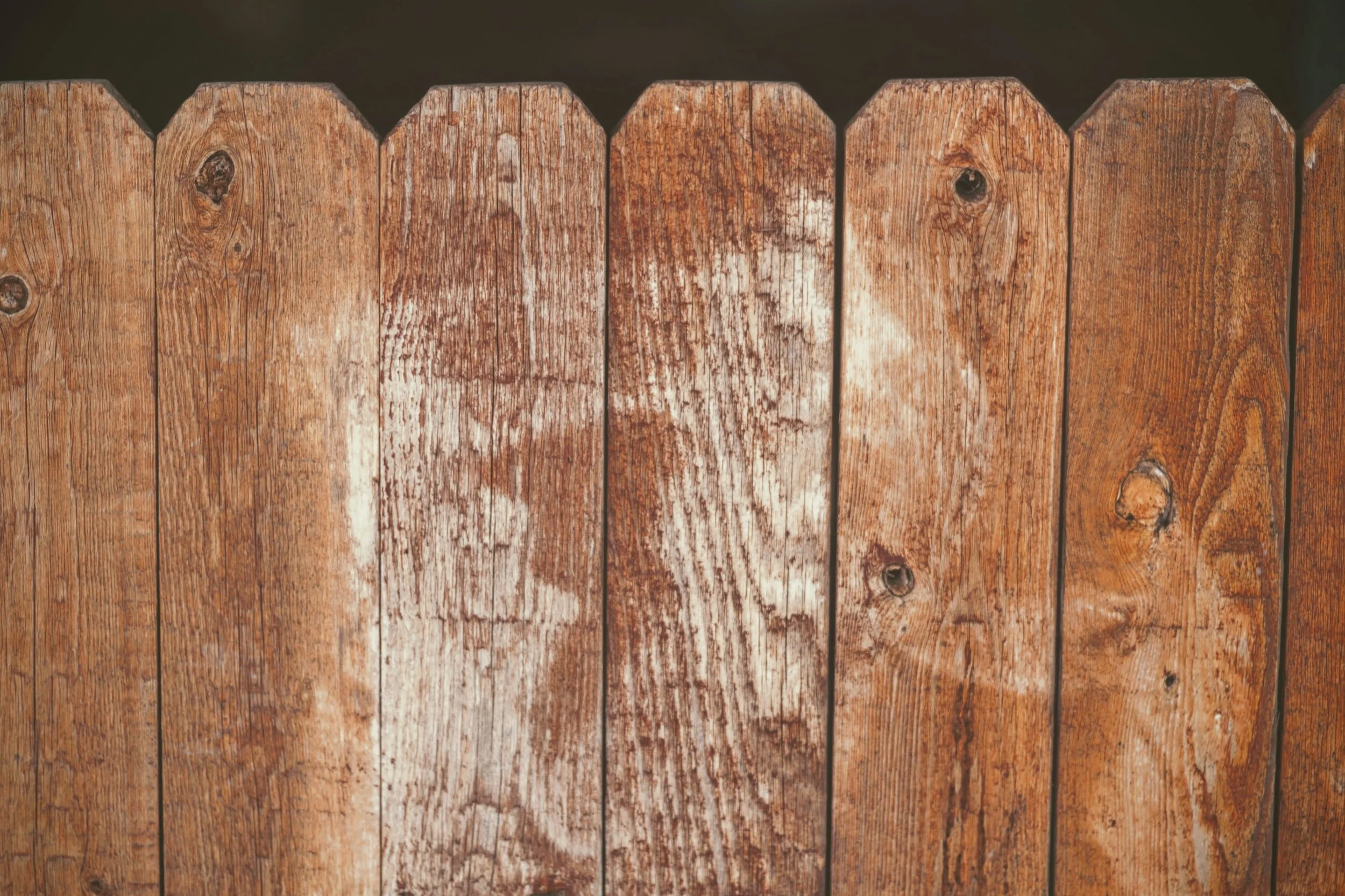
In Phoenix, where dry heat, dust, and sun exposure can take a toll on outdoor structures, proper cleaning is essential to preserve both beauty and strength.
A wood fence adds timeless charm, warmth, and definition to any property, but maintaining it in excellent condition requires regular upkeep. In Phoenix, where dry heat, dust, and sun exposure can take a toll on outdoor structures, proper cleaning is essential to preserve both beauty and strength. Over time, exposure to wind, sprinklers, and pollutants can dull the wood's color, promote mildew growth, and weaken its surface.
Professional fence cleaning not only restores the wood’s natural luster but also extends its lifespan, prevents decay, and enhances the property’s curb appeal. Whether you have cedar, pine, or redwood fencing, expert cleaning solutions are designed to protect your investment while keeping your outdoor space looking refreshed.
Why regular fence cleaning matters
Cleaning a wood fence is not just about appearance—it’s a key part of preventive maintenance. Dust and mineral buildup can erode finishes, while moisture and shade can invite mold and mildew. Left unchecked, these issues may lead to staining, soft spots, and eventual structural weakening.
Professional cleaners in Phoenix use tailored cleaning methods that remove dirt, biological growth, and contaminants without stripping away protective coatings or damaging the grain. This level of care helps homeowners avoid costly repairs and keeps fences sturdy and beautiful through the harsh Arizona climate.
Common signs your fence needs cleaning
Homeowners should schedule professional cleaning if they notice:
Fading or graying of wood color
Mold or mildew patches
Sticky residue from tree sap or sprinkler deposits
Rough or splintered texture
Unpleasant odor or signs of algae growth
These are early warning indicators that the surface has absorbed too much moisture or become contaminated, reducing its resistance to sunlight and weathering.
Professional cleaning methods for wood fences
Different stains and buildup require different cleaning techniques. The right method depends on the condition of the fence, the type of wood, and the age of any protective coatings.
Low-pressure water cleaning
For fences with mild dirt or dust accumulation, professional technicians often begin with a low-pressure rinse. This technique involves specialized nozzles that gently lift away debris without gouging or fraying the wood fibers. In Phoenix, this approach works well for fences exposed to dry dust rather than heavy mold.
Using commercial-grade sprayers, professionals apply water evenly from top to bottom, ensuring complete coverage and consistent rinsing. This simple but effective method prevents streaks and surface damage caused by excessive pressure or uneven cleaning.
Power washing
For heavier buildup, a power wash can rejuvenate the fence by removing deep-set grime and discoloration. However, improper use can strip the sealant or splinter the wood. That’s why professional fence cleaners use calibrated pressure—usually between 1,200 and 2,000 psi—with angled spray tips to achieve a thorough clean without damage.
Technicians adjust the water pressure and distance for each section, ensuring even cleaning while maintaining the wood’s integrity. Afterward, they allow the fence to dry completely before applying treatments or sealants.
Eco-friendly detergent cleaning
When stains go beyond dust and dirt, such as algae, mildew, or water spots, professionals use biodegradable cleaners formulated specifically for wood. These detergents lift organic growth and contaminants without harsh chemicals.
Unlike bleach-based DIY solutions, professional-grade cleaners are safe for nearby plants and won’t discolor the fence. This makes them ideal for landscaped Phoenix yards where vegetation grows close to the fence line.
Bleach-based treatments for deep restoration
For older fences that show signs of mold or heavy organic staining, a controlled bleach treatment can restore brightness and color. Professionals mix and dilute the solution carefully to minimize harshness while achieving maximum cleaning power.
They apply the solution evenly, let it sit briefly to break down residue, and rinse thoroughly with low-pressure water. Once the fence dries, technicians often follow up with a neutralizing rinse or conditioner to balance pH levels and protect the wood surface.
Sanding and surface refinishing
When cleaning alone cannot restore the appearance, light sanding helps rejuvenate aged or stained wood. Professional crews use orbital sanders to smooth out rough patches and prepare the surface for sealing or staining. This technique removes oxidation, bringing back the wood’s natural tone and texture.
Why professional cleaning is better than DIY
DIY cleaning can seem cost-effective, but improper techniques often do more harm than good. Using excessive pressure, harsh chemicals, or uneven application can cause permanent damage. Professionals bring the right tools, knowledge, and environmental awareness to clean safely and efficiently.
They evaluate the fence’s condition, choose appropriate products, and perform the process uniformly. Most importantly, they can identify early structural issues like loose posts, rot, or weak fasteners before they become serious problems.
Professional cleaning also saves homeowners time and guarantees results that last longer, especially in Phoenix’s demanding climate.
Post-cleaning care and protection
After cleaning, sealing and staining are essential for preserving a wood fence. Professionals recommend waiting at least 48 hours after cleaning to allow complete drying before applying finishes.
Sealing: A high-quality sealant penetrates the wood, forming a barrier against water, sun, and temperature changes. It prevents splitting and cracking, two common issues in desert climates.
Staining: Stain enhances the fence’s color while adding another layer of UV protection. Professionals apply it evenly using sprayers or brushes to ensure consistent absorption and color depth.
Together, these treatments lock in the results of cleaning and protect the wood from future damage.
Seasonal fence maintenance in Phoenix
Given the city’s dry, sunny conditions, wood fences should be professionally cleaned once a year, ideally before summer. The intense UV exposure can fade unprotected wood, while winter rain can introduce moisture that encourages decay.
A professional maintenance plan typically includes cleaning, sealing, and minor repairs. This proactive approach helps homeowners preserve the fence’s condition and avoid costly replacements.
Eco-conscious cleaning practices
Many Phoenix homeowners prioritize sustainable maintenance solutions. Professional cleaners use eco-friendly detergents and water-efficient systems to reduce waste. Some companies even offer gray-water recycling during pressure washing, minimizing environmental impact.
Choosing a service that values sustainability ensures that fence care supports both your property and the planet.
Benefits of professional fence cleaning
Professional cleaning provides several long-term benefits beyond appearance:
Prevents premature aging and decay
Restores natural wood color and texture
Protects against mold and bacterial growth
Extends the lifespan of stains and sealants
Increases property value and curb appeal
A well-maintained fence complements your landscape design and enhances your home’s overall aesthetic.
When to consider fence restoration
If cleaning and sealing no longer restore the fence’s appearance, a full restoration might be necessary. Professionals can sand down damaged layers, replace rotted boards, and reapply fresh stain to make an older fence look new again.
In some cases, switching to more resilient materials like composite or vinyl may be advised. A local fencing expert can recommend the most practical and cost-effective solution based on the property’s layout and exposure.
Frequently Asked Questions
How often should a wood fence be cleaned in Phoenix?
Once a year is ideal. However, homes near busy roads or landscaped areas with sprinklers may benefit from cleaning twice a year to prevent buildup.
What’s the best way to remove mold or mildew from wood fencing?
Professionals use diluted bleach or specialized eco-cleaners. DIY attempts with strong bleach can discolor wood and harm surrounding plants.
Can I pressure wash my own fence?
You can, but improper pressure settings may cause the wood to gouge or splinter. Professionals use calibrated equipment to balance power and safety.
How long should I wait after cleaning before sealing or staining the fence?
Typically, 48 to 72 hours. The wood must be fully dry to ensure the finish bonds correctly and lasts longer.
Is bleach safe for cleaning wood fences?
When applied correctly by professionals, yes. Overuse or poor dilution can damage the surface and soil.
Can fence cleaning improve home value?
Absolutely. Clean, well-maintained fencing enhances curb appeal and signals to buyers that the home is well cared for.
What time of year is best for fence cleaning in Phoenix?
Spring or early fall. The moderate temperatures help cleaning agents and sealants cure evenly without rapid evaporation.
Are eco-friendly cleaners effective on tough stains?
Yes. Many professional-grade green cleaners contain natural enzymes that break down mold, mildew, and dirt as effectively as bleach without environmental harm.
Key takeaways
A wood fence is an investment that defines your property’s character and security. To keep it looking and performing its best, regular professional cleaning is essential—especially in Phoenix’s challenging climate.
From gentle rinsing to deep restoration, expert cleaning services restore beauty, preserve durability, and protect against long-term damage. Combined with professional sealing, staining, and seasonal care, your fence can remain a defining feature of your home for decades.
For Phoenix homeowners seeking quality, convenience, and care, professional fence cleaning offers the perfect balance of protection and curb appeal—ensuring your property always looks its best, season after season.
