
The Signs That a Gate System Needs Immediate Repair or Replacement
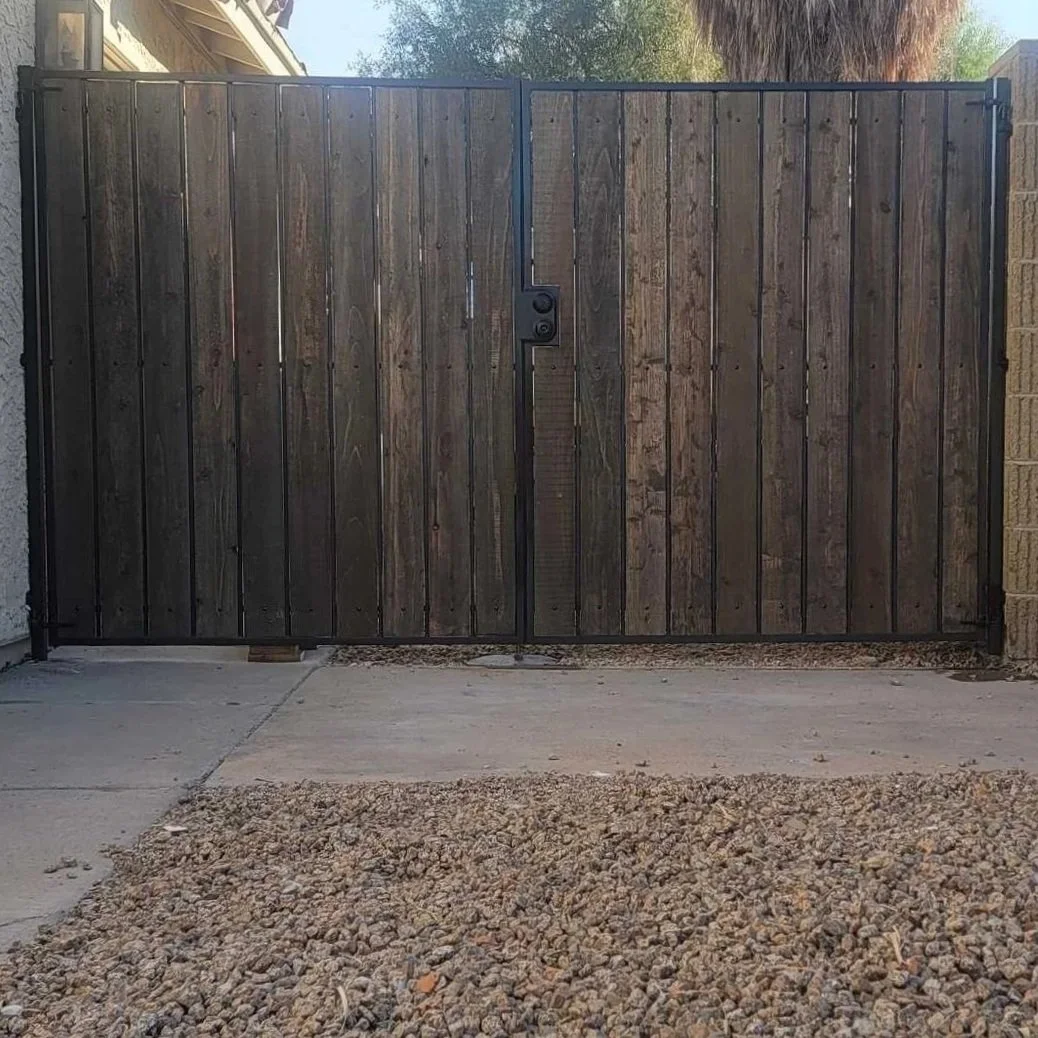
When things start to go wrong, you may notice some red flags that signal it's time for a repair or even a full replacement.
A gate system is often a crucial part of your property's security and access control. It keeps things safe, private, and organized, whether you're running a business or simply protecting your home. However, like any mechanical system, gates can wear out over time. When things start to go wrong, you may notice some red flags that signal it's time for a repair or even a full replacement. Keeping an eye out for these signs can help you avoid bigger problems down the road and keep your gate operating smoothly.
Visible Damage to the Structure
When the gate structure itself shows clear signs of damage, it's time to take action. If you spot dents, cracks, or rust, it's not just a cosmetic issue. These types of damage can compromise the gate's ability to function correctly. Over time, rust or corrosion can eat away at the metal, weakening its strength. What may start as a small issue can lead to bigger problems, like the gate becoming unbalanced or even breaking apart under stress. Regularly inspecting the structure for damage helps catch potential issues early, before they become bigger headaches.
Slow or Jerky Movement
A gate that opens and closes hesitantly or with a jerky motion could signal a mechanical issue. Smooth, fluid motion is crucial for a functioning gate. If it takes longer to open or close, or if it seems to get stuck halfway through, the problem could lie with the motor, the gate's tracks, or the hinges. Sometimes dirt or debris can clog the tracks, but other times, a malfunctioning motor or worn-out components are to blame. If the movement isn't as seamless as it used to be, don't delay addressing the problem. A slow gate can be more than just an inconvenience; it can eventually lead to more severe malfunctions.
Strange Noises
Gates that begin making unusual noises should be inspected right away. Squealing, grinding, or banging noises are never a good sign. Often, these sounds occur when parts such as hinges, rollers, or the motor need maintenance. If not addressed, the issue may escalate, leading to a complete breakdown of the gate system. Regular maintenance can help prevent these noises from happening in the first place, but if you're already hearing them, it's time for a check-up. Noises are often an early indicator that something isn't functioning smoothly and might require immediate attention.
Unresponsive Remote or Keypad
In modern gate systems, remotes and keypads provide easy access without requiring manual gate opening. However, if you find that your remote or keypad isn't responding, it's more than just a minor inconvenience. When electronic access control malfunctions, it can be a sign of an underlying problem with the electrical system or the sensor connections. The battery might need replacing, or there could be a wiring issue preventing proper signal reception. If troubleshooting doesn't fix the issue, it's a good idea to have the system checked for damage that might require more significant repairs or a replacement.
Gate Doesn't Stay Closed
If the gate refuses to stay closed or doesn't lock properly, you're facing a major security risk. An open gate can compromise your property's safety and security. Whether it's a swing gate or a sliding one, the ability to close and secure the gate is a non-negotiable function. Problems with the locking mechanism, gate alignment, or a failing motor can prevent the gate from properly closing. If your gate doesn't latch or stays slightly ajar despite your efforts, you're not just dealing with a minor inconvenience. You could be leaving your property vulnerable to unauthorized access.
Alignment Issues
A misaligned gate is one of the clearest signs that something is wrong. If the gate doesn't align with the posts or scrapes the ground when it opens and closes, something's off. Misalignment can occur due to shifting soil, worn-out hinges, or damaged frames. If not addressed promptly, a misaligned gate can put excessive strain on its motor or components, causing them to wear out more quickly. Whether it's a swinging or sliding gate, proper alignment is key to its longevity and functionality.
Frequent Need for Repairs
When your gate requires frequent repairs, it's a major signal that something is seriously wrong. While minor issues are normal from time to time, constantly fixing the same problem or needing regular maintenance could point to deeper, underlying issues. You can keep patching it up temporarily, but if the repairs keep piling up, the cost of fixing the gate will soon exceed the cost of replacing it altogether. Investing in a new gate system might be more cost-effective in the long run, especially if the current one has reached the end of its lifespan.
Security Compromise
At the end of the day, a gate serves as a security feature. If the gate begins malfunctioning and isn't working as it should, it can compromise the safety of your property. A broken or ineffective gate allows unauthorized access, putting your assets, property, and family or employees at risk. If you notice your gate no longer provides the level of protection it used to, it's time to act fast. Prioritize repairs or replacements to maintain the security of your premises.
Corrosion and Rust Issues
Corrosion, or rust, is a common culprit in gate problems, especially in areas with high humidity or salty air. Over time, metal gates are vulnerable to rusting, which can weaken the entire structure. Once rust sets in, it often spreads quickly, causing further damage. If left untreated, corrosion can lead to gate failure. Routine cleaning and maintenance can help prevent rust, but if it has already set in, consider replacing parts or the entire gate, depending on the extent of the damage.
Conclusion
A malfunctioning gate poses risks beyond mere inconvenience. From security lapses to operational breakdowns, a gate system in need of repair or replacement can quickly become a major liability. If you notice visible damage, slow movement, unresponsiveness, or other warning signs, it's time to seek professional help. Addressing issues early can save you time, money, and a lot of frustration down the line. By remaining vigilant and keeping up with regular maintenance, you can extend your gate's lifespan and maintain a high level of security and functionality for your property.
Sereno Custom Fence & Gates offers a complete, one-stop solution for professional gate services in the Phoenix area, including gate installation & repair, gate replacement, and RV gate installation and repair. Our experienced team services all types of residential and commercial gates with a focus on security, durability, and long-term performance. Whether you need a new gate installation or repairs for an existing gate, we provide trusted workmanship and high-quality results. Schedule your gate service today and enhance your property’s visual appeal and security.
