
Security Upgrades for Chain Link Fences: Barbed Wire, Razor Wire, and Anti-Climb Additions
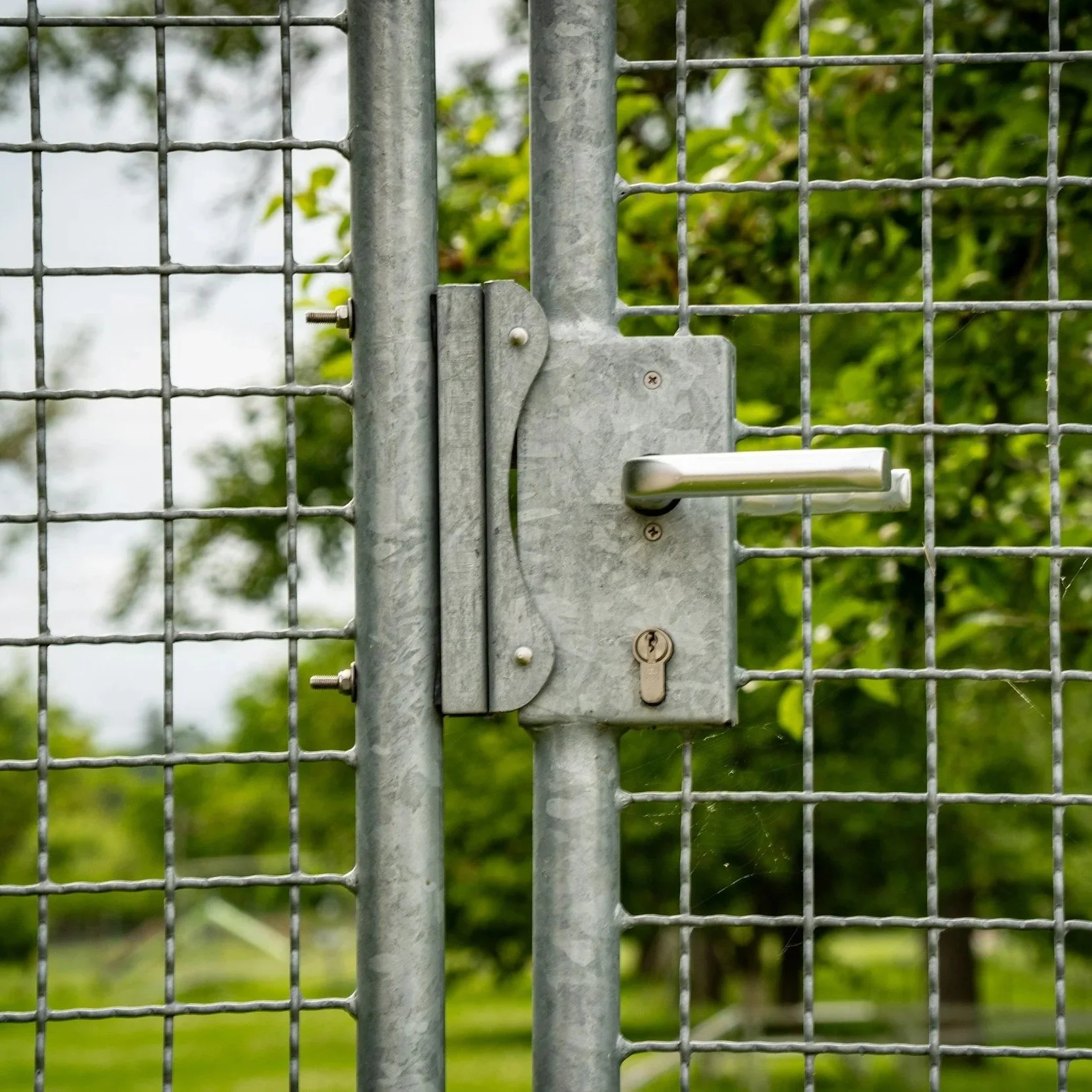
Strategic security upgrades strengthen existing fencing without requiring full replacement, allowing property owners to enhance protection while controlling costs.
Chain link fencing already serves as a reliable perimeter solution for many commercial properties, yet growing security concerns often demand additional protection. Storage yards, equipment enclosures, utility areas, and restricted access zones frequently require more than standard fence fabric to deter climbing, cutting, or forced entry. Strategic security upgrades strengthen existing fencing without requiring full replacement, allowing property owners to enhance protection while controlling costs.
Modern security enhancements focus on increasing the effort required, visibility into unauthorized access attempts, and the risk of unauthorized access attempts. The objective is not to make a property feel unapproachable, but to discourage intrusion through layered deterrence. Barbed wire, razor wire, and anti-climb additions each play a role depending on risk level, location, and compliance considerations. Selecting the right solution depends on understanding how each option functions in real-world conditions.
Why Standard Chain Link Fencing Often Falls Short
Chain link fencing provides visibility and boundary definition, yet its open weave creates natural footholds for climbing. On commercial sites, that accessibility can become a liability when valuable assets remain within reach. Equipment yards, loading zones, and infrastructure areas draw attention when fencing lacks additional barriers.
Operational factors also contribute to vulnerability. Limited after-hours activity, uneven lighting, and expansive perimeters increase exposure even when fencing remains intact. Over time, fabric tension may relax slightly, further easing climbing attempts. Security upgrades directly address these issues by increasing complexity and discomfort at the fence line.
In growing markets such as Phoenix, AZ, changing land use and increased foot traffic heighten the need for stronger perimeter protection. Security enhancements allow existing fencing to adapt as conditions evolve.
Barbed Wire as a Practical Deterrent
Barbed wire remains a common choice for commercial security upgrades because it balances effectiveness and cost. Installed along the top of a chain link fence, barbed wire discourages climbing by introducing discomfort and risk at the most vulnerable point of entry.
Angled extension arms play an important role in the performance of barbed wire. Arms angled outward prevent approach from outside the property, while inward-facing arms control movement within secured facilities. The angle forces contact before a climber reaches the top of the fence, increasing deterrence.
Fence height directly influences barbed wire effectiveness. Short fences gain limited benefit, while fences six feet or taller see a noticeable increase in security once barbed wire is added. Integration with existing posts and rails typically requires minimal modification, making barbed wire an efficient upgrade for many properties.
Safety, Visibility, and Code Considerations for Barbed Wire
Thoughtful placement remains essential when using barbed wire. Poorly positioned wire creates hazards for authorized personnel and increases liability exposure. Clear visibility and appropriate mounting height reduce accidental contact while maintaining deterrence.
Local regulations often restrict the use of barbed wire near public spaces or neighboring properties. Certain zones limit outward-facing installations due to safety concerns. Professional planning verifies compliance and selects configurations that balance protection with regulatory requirements.
Ongoing inspection also matters. Tensioned strands must remain secure and properly aligned. Loose or sagging wire reduces effectiveness and creates unintended hazards that undermine the upgrade’s purpose.
Razor Wire for High-Security Environments
Razor wire offers a more aggressive security solution designed for high-risk applications. Steel blades mounted along a reinforced core create a barrier that significantly increases injury risk and the difficulty of intrusions.
Facilities storing high-value assets, hazardous materials, or critical infrastructure often rely on razor wire to convey a strong security message. Its presence alone deters many intrusion attempts by signaling heightened protection.
Installation options include straight runs or coiled configurations. Coils increase coverage and complexity, while straight runs maintain a lower profile with comparable deterrence. Selection depends on risk tolerance, aesthetics, and available space.
Because razor wire introduces greater safety concerns, professional handling and installation are essential. Improper placement increases liability risk and potential harm to authorized individuals.
Balancing Deterrence and Liability with Razor Wire
Razor wire installations require careful planning to manage risk. Clear warning signage often accompanies installations to communicate danger and reduce liability. Visibility remains critical, especially in areas accessed by maintenance staff or emergency responders.
Zoning restrictions frequently apply more strictly to razor wire than other security upgrades. Many jurisdictions limit its use to industrial or restricted zones. Verifying local requirements before installation prevents costly compliance issues later.
Maintenance demands attention as well. Damaged coils, corrosion, or loose attachments compromise both safety and effectiveness. Regular inspection preserves performance while reducing unintended hazards.
Anti-Climb Additions as a Safer Alternative
Anti-climb solutions focus on removing the physical ability to climb rather than introducing sharp deterrents. These options appeal to properties seeking strong security without aggressive appearance or injury risk.
Smaller mesh anti-climb fabric replaces standard chain link openings with tighter spacing that prevents footholds. This approach limits climbing without altering fence height significantly. Schools, commercial campuses, and mixed-use developments often favor this solution due to its balance of security and safety.
Additional anti-climb accessories include rotating barriers and roller systems that move when weight is applied. These components deny stable contact points, causing intrusion attempts to fail quickly without causing injury.
Such solutions integrate well into environments where aesthetics and public interaction remain important.
Comparing Security Upgrade Effectiveness
Each security enhancement addresses intrusion differently. Barbed wire discourages climbing through discomfort. Razor wire escalates deterrence through perceived and actual risk. Anti-climb systems eliminate physical leverage entirely.
Effectiveness depends on threat level and environment. Casual trespassing may stop at barbed wire, while high-risk sites benefit from razor wire or layered solutions. Anti-climb options perform consistently regardless of intent by removing opportunity rather than relying on deterrence alone.
Combining approaches commonly delivers the strongest results. Anti-climb fabric paired with angled barbed wire creates layered protection without excessive escalation. Professional design tailors combinations to specific risks rather than applying uniform solutions.
Height, Lighting, and Visibility as Supporting Factors
Security upgrades perform best when integrated into a broader perimeter strategy. Fence height determines how much time and effort an intruder must invest before encountering deterrents. Taller fences amplify the effectiveness of toppers and anti-climb additions.
Lighting is also essential. Well-lit fence lines increase detection and discourage attempts by reducing concealment. Upgrades paired with lighting deliver stronger deterrence than either measure alone.
Visibility from within the property supports monitoring and response. Anti-climb solutions often preserve internal sightlines better than solid barriers, continuing operational awareness.
Gate Integration and Weak Point Management
Gates represent the most common weak points in fencing systems. Security upgrades must extend consistently across gate areas to maintain effectiveness.
Gate toppers, reinforced frames, and upgraded locking hardware complement fence enhancements. Sliding and cantilever gates often integrate security features more seamlessly than swing gates due to their structure.
Alignment between fence and gate upgrades prevents gaps in protection that undermine overall security.
Maintenance Requirements for Security Enhancements
Adding security features introduces additional components that require regular inspection. Barbed wire and razor wire need tension checks and corrosion monitoring. Anti-climb rollers and fabric require verification that attachments remain secure.
Environmental conditions influence wear rates. In Phoenix, AZ, heat and dust accelerate the degradation of exposed materials. Selecting corrosion-resistant finishes and scheduling routine inspections preserves long-term performance.
Consistent maintenance prevents upgrades from becoming liabilities rather than assets.
Cost Considerations and Long-Term Value
Security upgrade costs vary based on material choice, installation complexity, and property size. Barbed wire offers the most affordable enhancement. Razor wire carries a higher cost due to material and handling requirements. Anti-climb solutions range widely depending on design.
Evaluating return on investment involves more than installation price. Preventing theft, reducing vandalism, and lowering liability exposure often outweigh upgrade costs. Security incidents typically carry higher indirect expenses than preventive measures.
Phased implementation allows properties to address high-risk zones first while spreading investment over time.
Compliance and Legal Responsibility
Security enhancements must comply with local regulations governing fence height, hazardous materials, and placement. Barbed and razor wire receive greater scrutiny due to injury risk. Anti-climb solutions often face fewer restrictions but still require review.
Professional contractors handle compliance checks and documentation, reducing enforcement risk. Clear signage and communication further support liability management.
Choosing the Right Upgrade Strategy
Selecting appropriate security upgrades requires honest risk assessment rather than assumptions. Overbuilding creates unnecessary cost and liability, while underbuilding leaves vulnerabilities exposed.
Professional evaluation considers asset value, location, visibility, traffic patterns, and future site plans. Solutions are tailored to operational needs rather than applied uniformly.
Security works best when it supports daily activity without disruption.
Why Professional Installation Matters
Security upgrades demand precision. Improper installation weakens effectiveness and increases hazard potential. Professional installers understand load forces, attachment requirements, and spacing needed to preserve fence integrity.
Integration with existing systems, such as lighting, access control, and gates, requires coordination that professional services provide. That coordination ensures security functions as a cohesive system.
Long-Term Benefits of Chain Link Security Upgrades
Upgrading chain link fencing extends its usefulness while adapting to evolving risks. Enhanced deterrence reduces incidents, improves confidence, and stabilizes operations.
Planned enhancements reduce reliance on reactive measures and emergency repairs. Over time, upgraded fencing supports predictable performance and asset management.
For commercial properties in Phoenix, AZ, security upgrades offer scalable solutions that strengthen protection without unnecessary replacement.
Frequently Asked Questions About Chain Link Fence Security Upgrades
is barbed wire effective on chain link fences?
Barbed wire is an effective security upgrade for chain link fences when it is installed correctly and paired with adequate fence height. It increases deterrence by making climbing difficult and uncomfortable, which helps discourage unauthorized access in commercial and industrial environments.
when does razor wire make sense for commercial properties?
Razor wire is best suited for high-risk commercial properties where strong visual and physical deterrence is necessary. It is commonly used in areas with elevated security concerns, provided local regulations allow its installation and the property design supports safe placement.
are anti-climb solutions safer than razor wire?
Anti-climb solutions are generally safer than razor wire because they prevent climbing without relying on sharp or hazardous materials. These systems are often preferred for commercial properties that prioritize security while reducing liability and injury risk.
do security upgrades require permits in phoenix, az?
Permit requirements in Phoenix, AZ vary based on fence height, location, zoning rules, and the type of security upgrade being added. Professional fencing contractors typically review local codes and handle compliance verification before installation begins.
can these upgrades be added to existing fences?
Many security upgrades can be retrofitted onto existing chain link fences when the current structure is still in good condition. A professional evaluation helps confirm whether posts, framework, and foundations can support the additional security features safely.
Sereno Custom Fence & Gates offers a complete, one-stop solution for professional residential fence services in the Phoenix area, including chain link fences, composite fences, and aluminum fences to temporary fences. Our experienced team uses high-quality materials to create durable, stylish, and secure fencing with a focus on protection, curb appeal, and long-term performance. Whether you need a custom fence installation or temporary fencing solutions, we provide timely, reliable service and trusted results. Schedule your fence project today and enjoy a beautiful, secure property.
