
RV Gate Options and Thoughts
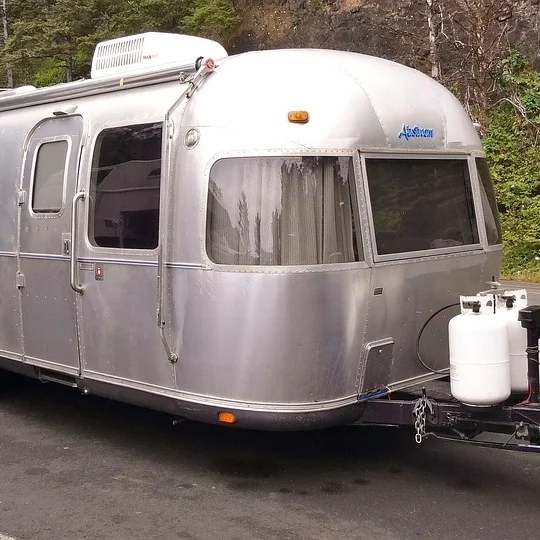
Having an RV close by means you can handle cleaning, maintenance, and loading on your schedule.
RV gates are a familiar sight across Phoenix. Homeowners here appreciate the convenience and savings of storing their recreational vehicles, boats, and trailers on their own property rather than paying for off-site storage. Having an RV close by means you can handle cleaning, maintenance, and loading on your schedule. Still, installing RV gates requires careful planning and consideration. The right design, size, and location make all the difference between a functional upgrade and a frustrating mistake.
A professional fence and gate company can help you assess your space, select suitable materials, and manage the permitting process. From measuring your driveway to confirming HOA compliance, professionals know how to build RV gates that are practical, durable, and visually appealing.
Why Homeowners in Phoenix Prefer RV Gates
The Arizona lifestyle pairs perfectly with RV ownership. Weekends spent camping in Sedona or exploring national parks are part of what makes living in this area special. Unfortunately, RV storage lots can be expensive. Keeping your RV on your property eliminates those monthly fees and keeps your vehicle ready whenever adventure calls.
RV gates also offer flexibility. You can wash your RV after a trip, check tire pressure, or plug in appliances before heading out. You maintain control over your schedule and security, knowing your investment is safely parked behind a solid gate, rather than across town.
Understanding Local Rules and HOA Requirements
Before installing RV gates, homeowners should confirm what’s allowed. Many Phoenix neighborhoods have HOA regulations that restrict the display of visible RVs. Some associations require gates to match community aesthetics or completely conceal the vehicle from street view. Even if you live outside an HOA, the City of Phoenix enforces rules regarding fence height, gate width, and driveway modifications.
A licensed contractor familiar with local codes will review these requirements and apply for any needed permits. If your project includes a covered parking area or electrical automation, those also require approval. Working with professionals prevents compliance issues and saves you from unnecessary costs later.
Choosing the Right Width for Your RV Gate
A properly sized gate is essential. Too narrow, and you’ll struggle to maneuver your RV without scraping your fence or landscaping. Too wide, and you may compromise the strength of the structure. Most RV gates in Phoenix range in width from twelve to sixteen feet, depending on the vehicle and the angle of the driveway.
If you need to back in from the street or navigate tight turns, your installer may recommend additional clearance. Professionals measure your RV, turning radius, and ground slope to ensure smooth entry and exit. The goal is to make parking easy, not an exercise in precision driving.
Sliding vs. Swing Gates
The layout of your property often determines whether a sliding or swing gate will be the most suitable option. Both styles can be customized to fit your space and design preferences.
Sliding RV gates open along the fence line rather than swinging out. They’re ideal for properties with limited driveway depth or where landscaping prevents a wide swing. Sliding gates operate on a track or cantilever system and can be automated for hands-free convenience. They’re durable, secure, and take up minimal space.
Swing gates, by comparison, open on hinges like doors. They’re traditional, simple to maintain, and available as single or double designs. Swing gates require enough room to open fully, which may be a limitation on smaller lots. However, they’re often more affordable to install and have fewer moving parts than sliding systems. Your contractor can determine which gate type best fits your space.
Single vs. Double Swing Gates
Once you choose swing gates, you’ll need to decide between single or double panels. A single swing gate consists of one large door supported by a heavy-duty post. It’s cost-effective and straightforward, but requires more clearance to open. A double swing gate uses two panels that meet in the middle, splitting the load and reducing the space needed for each side to swing. Double gates can cover wider driveways and provide a balanced look that complements many homes in Phoenix.
Both options can be automated. Single gates use one motor, while double swing gates may need two. The right setup depends on your driveway width, gate weight, and how often you plan to open it.
Material Options for Phoenix Conditions
Phoenix’s climate is challenging for outdoor materials. Intense sunlight, dust, and summer storms can damage poorly made gates. That’s why professionals recommend materials that handle these conditions.
Steel RV gates are strong, stable, and can be powder-coated to resist rust and fading. Wrought iron offers similar durability with added decorative appeal. Composite-faced steel combines a solid frame with wood-look panels that deliver warmth without maintenance. Vinyl-faced options are also popular for modern homes, where clean lines and color consistency are important. Your installer will help you balance appearance, cost, and longevity.
Landscaping and Structural Considerations
Installing RV gates sometimes requires rethinking your yard layout. Trees, bushes, or uneven ground can limit placement. Underground utilities, irrigation lines, and drainage pipes can also interfere with the installation or movement of vehicles. Driving an RV over weak soil or buried systems can cause damage, so the ground must be reinforced.
A professional contractor will identify these challenges before work begins. Concrete or asphalt drive strips can be added to handle heavy loads and prevent ruts. Proper planning guarantees that your new gate integrates smoothly with your landscape and doesn’t interfere with plumbing or irrigation systems.
Automation for Security and Convenience
Automatic RV gates are increasingly popular among Phoenix homeowners. Automation makes operation easy—you can open or close your gate with a keypad, remote, or smartphone. You won’t have to step outside during summer heat or rain. Automation also adds security, allowing you to control access and integrate your gate with security cameras or sensors.
Automated systems work with both sliding and swing gates. The right motor depends on the gate’s size, weight, and frequency of use. Professional installers make sure that the mechanism is properly rated and safely installed, giving you reliable performance for years.
Maintenance Tips for Longevity
Even the best RV gates need occasional care. Phoenix’s sun, dust, and wind can wear on finishes and hardware. Cleaning the gate periodically and lubricating hinges or tracks helps prevent sticking and corrosion. If your gate is automated, checking the alignment and motor function once or twice a year helps keep it running smoothly.
Many professional gate companies offer maintenance plans that include inspections, minor adjustments, and repainting when needed. Regular service not only protects your investment but also extends the lifespan of your gate.
Design and Privacy
An RV gate doesn’t have to look industrial. A well-designed gate adds visual interest and value to your property. Matching materials and finishes to your home and fencing creates a unified look. Solid-panel designs enhance privacy, while decorative wrought iron or composite inlays add a touch of style.
If your HOA has design guidelines, a professional can create renderings that satisfy both regulations and your preferences. The right gate can be both functional and attractive—an asset rather than an afterthought.
Professional Installation Matters
Installing RV gates isn’t a simple DIY project. It requires expertise in measurement, leveling, and anchoring to prevent sagging or misalignment. Licensed professionals are familiar with Phoenix’s soil conditions, local codes, and safety standards. They use specialized equipment to ensure every post, hinge, and panel is secure. Proper installation guarantees that your gate opens smoothly, stands straight, and lasts for decades.
Hiring professionals also means accountability. Licensed, bonded, and insured contractors handle every phase, from design to final inspection, protecting your time and investment.
Frequently Asked Questions
How wide should an RV gate be in Phoenix?
Most RV gates measure between twelve and sixteen feet, depending on your vehicle size and the angle of your driveway for safe entry and exit.
Do I need a permit to install an RV gate?
Yes. Phoenix requires permits for new gate installations, especially when automation or major structural changes are involved. Contractors typically handle the permitting process for you.
Which is better, a sliding or swing gate?
The best choice depends on your available space. Sliding gates are ideal where depth is limited, while swing gates work well when there is ample clearance for the gate to open fully.
Can I automate my existing RV gate?
Yes, if the current gate is structurally sound. A technician can evaluate its condition and recommend compatible automation systems for smooth operation.
What materials hold up best in the desert?
Powder coated steel and wrought iron perform exceptionally well in Phoenix, resisting rust and fading. Composite faced metal provides extra style with minimal upkeep.
Will an RV gate increase the value of my property?
Yes. A properly installed RV gate elevates curb appeal, security, and functionality, making your property more appealing to potential buyers.
Can I install a gate over irrigation lines?
No. Heavy vehicles and gate footings can damage underground pipes or cables. Installers will locate and avoid utility lines to prevent costly repairs.
How often should I maintain my swing gate?
Hinges and hardware should be inspected and lubricated at least once a year to minimize wear and keep the gate operating smoothly.
Final Thoughts
RV gates offer a smart way for Phoenix homeowners to save money and simplify storage. They combine practicality, privacy, and curb appeal, all while keeping your vehicle close and secure. Whether individuals prefer sliding or swing gates, automation or manual operation, the key is professional installation. With the right design, materials, and maintenance, an RV gate will serve a home beautifully for many years.
