
Phoenix Weather-Proof Fencing: What Holds Up Best in Heat, Dust Storms, and Monsoons?
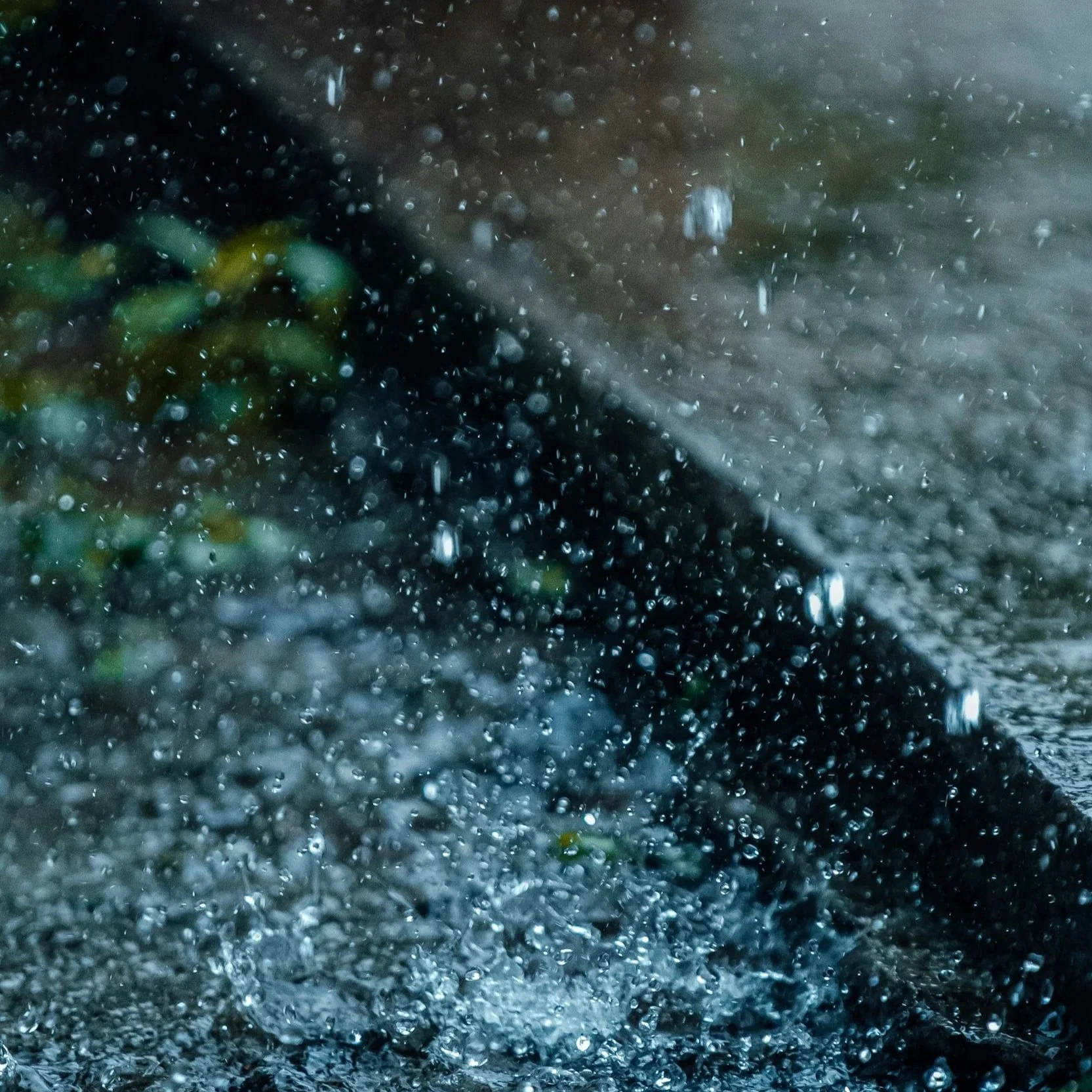
Monsoon season delivers sudden wind, rain, and impact forces that test every post, panel, and fastener.
Phoenix commercial properties face environmental stress that many regions never encounter. Extreme heat stretches materials daily. Dust storms blast surfaces with abrasive debris. Monsoon season delivers sudden wind, rain, and impact forces that test every post, panel, and fastener. Fencing that performs well in mild climates can fail quickly under these conditions, creating safety risks, visual decline, and unexpected replacement costs. For businesses and property managers, selecting weather-proof fencing becomes a long-term operational decision rather than a simple perimeter upgrade.
Professional fencing in Phoenix, AZ must balance structural strength, material resilience, and installation quality to survive year after year. Understanding how different fencing materials respond to heat, dust, and monsoon conditions helps commercial properties avoid premature failure and repeated repairs.
Why Phoenix Weather Is Especially Hard On Fencing
Phoenix weather places continuous strain on exterior materials. Prolonged heat causes expansion and contraction that loosen fasteners and weaken connections over time. Ultraviolet exposure fades, finishes, and degrades lower-quality coatings. Dust storms introduce fine particles that grind against surfaces and collect in moving components like gates and hinges.
Monsoon storms create a different challenge. Sudden rain saturates soil, stressing fence posts and foundations. High winds test panel strength and attachment points. Flying debris causes impact damage that reveals weaknesses in materials and installation methods. Fencing that lacks flexibility or reinforcement often fails during these events.
Commercial properties experience compounded stress because fencing sees daily use on top of environmental exposure. Gates cycles repeatedly. Vehicles brush against posts. Pedestrians lean on panels. Phoenix weather magnifies every weak point.
Chain Link Fencing Performance In Desert Conditions
Chain link fencing remains one of the most reliable options for Phoenix commercial properties when specified correctly. Galvanized steel resists rust even during monsoon moisture exposure. The open design allows wind to pass through, reducing stress during dust storms and high-wind events.
Vinyl-coated chain link adds another layer of protection. The coating shields steel from UV exposure and abrasive dust while improving appearance. Darker coatings often show less dust buildup, reducing visible wear between cleanings. For high-traffic properties, thicker gauge wire and heavier posts improve durability against impact and heat-related movement.
Chain link fencing also adapts well to repairs. Individual sections can be replaced without disturbing long runs, which matters when monsoon damage affects isolated areas. Professional installation with deep-set posts and proper tensioning plays a major role in long-term performance.
Iron And Steel Fencing In Extreme Heat
Iron fencing offers strength and visual authority, but Phoenix weather demands careful material selection and finishing. Bare or poorly coated steel deteriorates quickly under constant sun exposure. High-quality powder coating becomes essential rather than optional.
Commercial-grade powder coatings protect iron fencing from UV damage, surface oxidation, and moisture intrusion. Thicker coatings maintain color consistency and resist chipping caused by wind-blown debris. Weld points and connection areas require special attention since these locations often fail first.
Iron fencing performs best in Phoenix when installed with reinforced posts and flexible connections that allow slight movement without cracking. Rigid systems without expansion tolerance often develop stress fractures over time. With proper specification and maintenance, iron fencing provides long-term durability even in harsh desert conditions.
Aluminum Fencing And Corrosion Resistance
Aluminum fencing performs well in Phoenix due to its natural corrosion resistance. Unlike steel, aluminum does not rust, making it suitable for areas exposed to irrigation runoff or monsoon moisture. Heat exposure has minimal impact on aluminum structural integrity when commercial-grade materials are used.
Powder-coated aluminum fencing offers additional UV protection and color stability. Lighter colors reflect heat more effectively, reducing surface temperature and finish degradation. Aluminum fencing works well for pedestrian areas, pool enclosures, and properties that prioritize appearance alongside durability.
While aluminum does not match steel for impact resistance, proper placement minimizes risk. Professional planning avoids high-impact zones and reinforces areas near vehicle traffic. In the right application, aluminum fencing delivers consistent performance with minimal maintenance.
Vinyl Fencing Under Phoenix Sun And Wind
Vinyl fencing presents a mixed performance profile in Phoenix. Commercial-grade vinyl designed for UV exposure holds up far better than residential-grade products. UV-stabilized vinyl resists fading and brittleness, maintaining flexibility during extreme heat.
Wind performance depends heavily on design. Solid vinyl panels catch wind force during dust storms and monsoon gusts. Reinforced posts and proper spacing become critical to prevent movement or failure. In high-wind zones, vinyl fencing works best when installed in shorter sections or with airflow considerations.
Vinyl fencing excels in privacy applications where appearance matters and impact risk stays low. Dumpster enclosures, employee areas, and screening zones benefit from vinyl when professionally installed with desert conditions in mind.
Metal Panel Fencing And Modern Commercial Applications
Metal panel fencing has gained popularity in Phoenix commercial environments due to its strength and contemporary appearance. These systems often combine steel or aluminum panels with reinforced framing. Proper coating and material thickness determine long-term performance.
Perforated metal panels allow airflow while maintaining privacy, reducing wind stress during storms. Solid panels require additional reinforcement to handle wind loads. Powder-coated finishes protect against UV and dust abrasion, especially when applied at commercial thickness levels.
Metal panel fencing performs well around commercial campuses, service areas, and architectural features. Professional design ensures panels align with prevailing wind patterns and property layout.
The Role Of Post Foundations In Weather Resistance
Fence posts form the backbone of any weather-resistant system. In Phoenix, soil composition varies widely, affecting post stability during monsoon saturation. Shallow or improperly set posts shift, lean, or fail when exposed to wind and moisture.
Professional installation includes deeper footings and appropriate concrete mixes for desert soils. Proper drainage around posts prevents water pooling that weakens foundations. Reinforced posts handle expansion and contraction without loosening over time.
Post spacing also affects performance. Wider spacing increases stress on panels during wind events. Correct spacing distributes the load evenly and reduces long-term fatigue.
Gate Performance In Harsh Conditions
Gates experience more wear than fixed fencing, making them vulnerable to Phoenix weather. Dust accumulation interferes with rollers and hinges. Heat affects operator performance and alignment. Monsoon debris damages tracks and sensors.
Weather-proof gate systems use sealed bearings, heavy-duty rollers, and protected electronics. Cantilever gates avoid ground tracks that collect dust and debris. High-cycle operators withstand heat without performance loss.
Regular maintenance becomes essential for gate longevity. Cleaning, lubrication, and alignment adjustments prevent weather-related failures that disrupt access and security.
Maintenance Expectations In Desert Environments
Even the most durable fencing requires maintenance in Phoenix. Dust buildup dulls finishes and accelerates wear if ignored. Heat loosens fasteners over time. Wind events reveal weaknesses that need prompt attention.
Professional maintenance plans include inspections after the monsoon season, hardware tightening, and finish touch-ups. Addressing small issues early prevents larger failures later. Businesses that budget for routine care extend fence lifespan significantly.
Maintenance also preserves appearance. Clean, straight fencing reflects positively on a property, reinforcing professionalism and attention to detail.
Choosing The Best Fence For Each Property Zone
No single fencing material works best everywhere on a Phoenix commercial property. Perimeter fencing may prioritize wind resistance and visibility. Service areas demand impact durability. Employee zones benefit from privacy and comfort. Public-facing areas require appearance and brand alignment.
Professional fence planning evaluates each zone individually. Combining materials across a property often delivers the best performance and value. Strategic placement reduces overbuilding while addressing real risks.
Compliance And Code Considerations In Phoenix
Phoenix fencing projects must account for local codes related to height, setbacks, and wind load. Some areas require screening for service zones. Others limit fence height near rights-of-way.
Professional contractors manage permitting and compliance during planning. Understanding local requirements prevents delays and redesign costs. Code-compliant fencing also supports insurance and liability considerations.
Why Professional Specification Matters More Than Ever
Phoenix weather exposes shortcuts quickly. Thin materials, poor coatings, and shallow installations fail under heat and storms. The professional specification addresses these risks before installation begins.
Experienced contractors select materials rated for desert conditions and install systems designed for expansion, wind, and abrasion. That expertise protects investment and reduces long-term operational headaches.
Weather-proof fencing becomes part of a property’s infrastructure rather than a cosmetic addition.
Long-Term Value Of Weather-Resistant Fencing
Investing in weather-proof fencing pays dividends over time. Reduced repairs, fewer replacements, and consistent appearance lower total ownership costs. Reliable fencing also supports security, safety, and tenant satisfaction.
Properties with durable fencing avoid disruptions during storm season. Operations continue without emergency repairs or temporary barriers. That stability benefits both management teams and users.
In Phoenix, AZ, weather-resistant fencing represents smart planning rather than optional protection.
Commercial Fencing for Phoenix Climate FAQs
What fencing material holds up best in Phoenix heat?
Galvanized or vinyl-coated chain link, powder-coated steel, and commercial-grade aluminum perform well when properly installed for desert conditions.
How do dust storms affect commercial fencing?
Dust storms cause abrasion, buildup in moving parts, and stress from high winds. Open designs and quality coatings reduce long-term damage.
Is vinyl fencing suitable for Phoenix weather?
UV-stabilized commercial vinyl performs well in privacy applications when reinforced for wind resistance and properly installed.
Do monsoon storms damage fencing often?
Damage usually occurs when fencing lacks reinforcement or proper foundations. Professionally installed systems withstand monsoon conditions more effectively.
Does Phoenix require special permits for fencing projects?
Permit requirements vary by location and fence type. Professional contractors handle code review and permitting during planning.
Sereno Custom Fence & Gates offers a complete, one-stop solution for professional residential fence services in the Phoenix area, including chain link fences, composite fences, and aluminum fences to temporary fences. Our experienced team uses high-quality materials to create durable, stylish, and secure fencing with a focus on protection, curb appeal, and long-term performance. Whether you need a custom fence installation or temporary fencing solutions, we provide timely, reliable service and trusted results. Schedule your fence project today and enjoy a beautiful, secure property.
