
Phoenix Sun & Heat: Best Coatings and Finishes for Steel Guard Rails
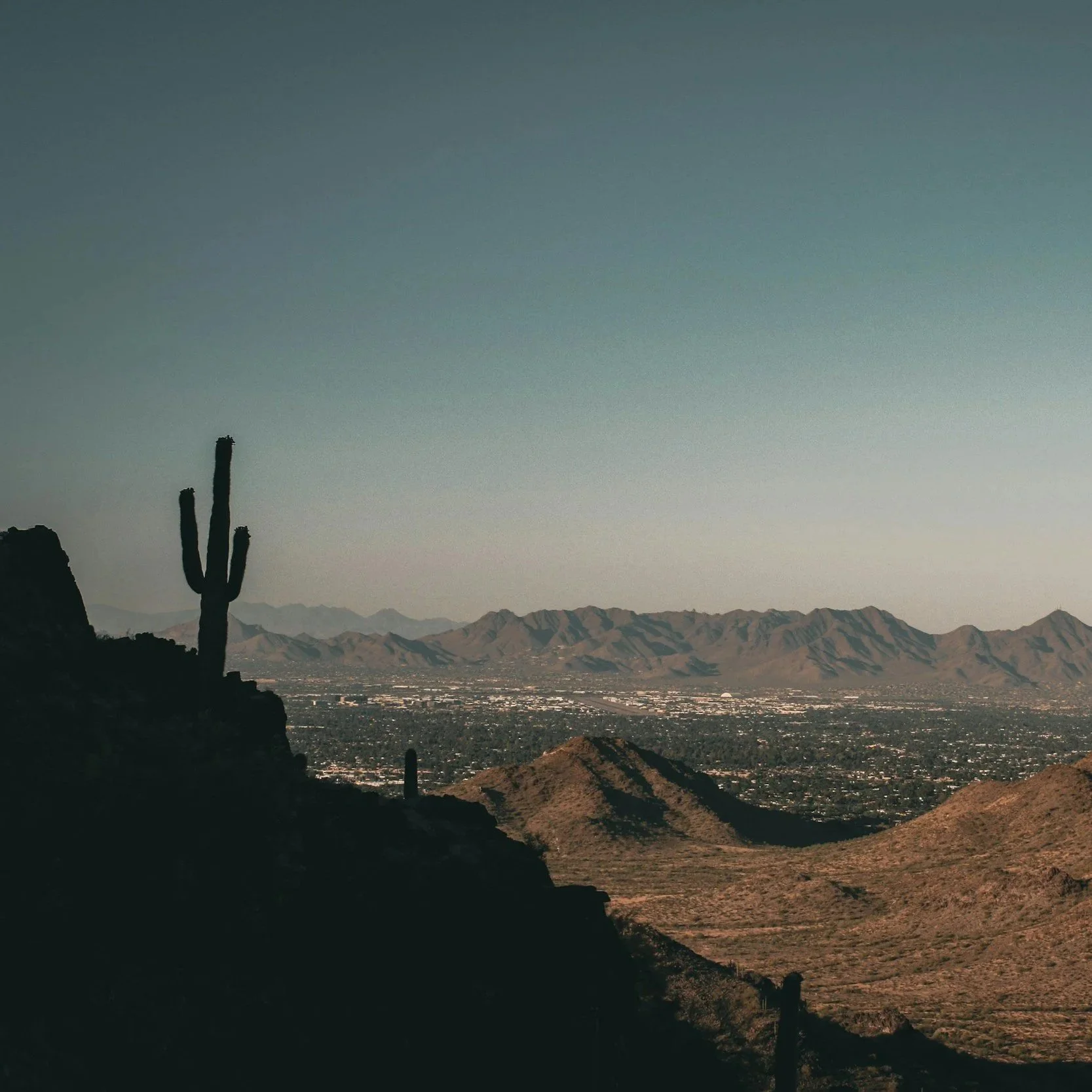
A guard rail that looks solid on installation day can fade, corrode, or weaken far sooner than expected without the right coating or finish.
Steel guard rails in Phoenix face one of the harshest environments in the country. Relentless sun exposure, extreme summer heat, sudden monsoon moisture, and airborne dust all take a toll on unprotected metal. A guard rail that looks solid on installation day can fade, corrode, or weaken far sooner than expected without the right coating or finish. For commercial properties, that kind of deterioration affects safety, appearance, and long-term maintenance costs. Choosing the correct protective system transforms steel guard rails from short-term barriers into durable safety assets built for desert conditions.
Why Phoenix Climate Demands Specialized Guard Rail Protection
Phoenix weather creates challenges that differ from milder regions. Intense ultraviolet exposure accelerates paint breakdown and color fading. Prolonged heat cycles cause metal expansion and contraction that stress surface coatings. Monsoon seasons introduce sudden moisture and humidity that can exploit even small coating failures. Dust and sand abrasion further wear down exposed surfaces.
Steel guard rails installed without climate-appropriate finishes often show rust staining, peeling, or chalking within a few years. These issues compromise both structural performance and curb appeal. Commercial properties benefit from coatings engineered specifically for high heat and UV resistance. Professional selection considers not only temperature but also sun angle, daily thermal swings, and environmental contaminants common across Phoenix and the surrounding areas.
Hot Dip Galvanizing For Maximum Corrosion Resistance
Hot dip galvanizing remains one of the most reliable finishes for steel guard rails in desert environments. The process involves immersing steel components in molten zinc, creating a metallurgically bonded protective layer. This coating shields steel from moisture, oxygen, and corrosive elements even when surface scratches occur.
Galvanized guard rails perform exceptionally well in Phoenix heat because zinc resists UV degradation better than many paints. The finish develops a natural patina over time rather than peeling or flaking. That aging process maintains protection while reducing visual irregularities. Commercial properties benefit from long service life and reduced maintenance demands, making galvanizing a popular choice for industrial sites, warehouses, and high-traffic parking facilities.
Powder Coating For Appearance And UV Stability
Powder coating offers a balance between durability and aesthetics for steel guard rails. The process uses electrostatically applied powder that cures under heat, forming a uniform and resilient surface. Unlike traditional liquid paints, powder coatings contain no solvents, resulting in thicker and more consistent coverage.
In Phoenix conditions, high-quality powder coatings formulated for UV resistance perform well against fading and chalking. Color retention matters for properties that prioritize visual branding or cohesive site design. Retail centers, office complexes, and medical facilities often choose powder-coated guard rails for their clean appearance and customizable color options. Professional application and proper surface preparation remain critical to achieving long-lasting results.
Zinc Rich Primer Systems For Added Protection
Zinc-rich primer systems combine corrosion resistance with finish flexibility. These coatings contain high concentrations of zinc particles that provide sacrificial protection similar to galvanizing. When paired with a compatible topcoat, zinc-rich primers offer layered defense against environmental stressors.
Phoenix properties benefit from this system when specific color requirements exist alongside durability needs. Zinc-rich primers perform well under heat and UV exposure when properly formulated. Professional installers often recommend these systems for guard rails installed near building entrances or pedestrian areas where appearance matters as much as performance. The layered approach extends service life while allowing aesthetic customization.
Epoxy Coatings In Controlled Applications
Epoxy coatings provide strong adhesion and chemical resistance, making them useful in certain commercial environments. These coatings form a hard protective layer that resists abrasion and impact. In Phoenix, epoxy systems work best when shielded from constant direct sunlight.
Epoxy finishes can chalk and discolor under prolonged UV exposure if left unprotected. Professional applications often pair epoxy primers with UV-stable topcoats to improve performance outdoors. Loading docks, service corridors, and shaded parking areas benefit from epoxy-based systems when properly designed. Selecting the right formulation prevents premature degradation while delivering reliable protection.
Polyurethane Topcoats For UV Defense
Polyurethane topcoats excel at resisting UV damage and color fading. When applied over compatible primers or galvanizing, they create a flexible yet durable finish suited for extreme sun exposure. These coatings maintain gloss and color integrity longer than many alternatives.
In Phoenix, polyurethane finishes support long-term appearance retention for steel guard rails exposed to full sun. Commercial properties seeking a polished look often favor these coatings for highly visible areas. Professional application techniques play a major role in performance, as improper curing or thickness can reduce effectiveness. When applied correctly, polyurethane systems deliver impressive longevity.
Comparing Single-Coat Versus Multi-Coat Systems
Choosing between single-coat and multi-coat coating systems affects both performance and cost. Single coat systems offer simplicity and lower upfront expense, but may sacrifice long-term durability in harsh climates. Multi-coat systems provide layered protection that addresses corrosion, UV exposure, and mechanical wear more effectively.
Phoenix properties often benefit from multi-coat approaches due to extreme environmental stress. A galvanized base with a powder coat or polyurethane top layer combines corrosion resistance with visual appeal. Professional recommendations weigh installation environment, traffic exposure, and maintenance expectations. Investing in layered protection often reduces lifetime ownership costs.
Color Selection And Heat Management Considerations
Color choice impacts more than appearance. Dark finishes absorb more heat, increasing surface temperatures and thermal expansion. Lighter colors reflect sunlight, reducing heat buildup and stress on coatings. In Phoenix, selecting lighter tones can improve coating longevity and reduce maintenance frequency.
Commercial properties often align guard rail color with branding while balancing performance needs. Professional guidance helps identify finishes that meet visual goals without compromising durability. Texture also plays a role, as smooth surfaces shed dust more easily while textured finishes may trap debris. Thoughtful selection enhances both function and aesthetics.
Surface Preparation And Installation Quality Matter
Even the best coating fails without proper surface preparation. Contaminants, oils, and mill scale interfere with adhesion and performance. Professional installers follow strict preparation standards that may include blasting, cleaning, and priming steps tailored to the chosen coating system.
Installation quality extends beyond coating application. Post spacing, anchoring depth, and rail alignment affect how coatings respond to movement and impact. Poor installation accelerates coating failure by creating stress points and abrasion zones. Professional services integrate coating selection with installation practices for consistent results across the entire system.
Maintenance Expectations In Desert Conditions
Coatings designed for Phoenix still benefit from periodic inspection and maintenance. Dust accumulation, minor impacts, and environmental exposure gradually affect surfaces. Early identification of chips or wear prevents corrosion from spreading beneath the coating.
Commercial property managers often schedule routine walk-throughs to monitor guard rail condition. Touch-ups performed promptly extend coating life and preserve appearance. Professional maintenance services understand how Phoenix conditions influence wear patterns and adjust care strategies accordingly. Proactive attention keeps guard rails performing as intended year after year.
Matching Coatings To Property Type
Different commercial environments call for different coating strategies. Industrial sites prioritize durability and corrosion resistance over appearance. Retail centers balance visual appeal with moderate traffic exposure. Medical and office facilities often focus on clean aesthetics and long-term reliability.
Phoenix guard rail projects benefit from tailored coating recommendations based on property function. Professional assessment evaluates traffic volume, exposure levels, and operational needs. That customization prevents over- or under-engineering solutions while delivering appropriate performance. Matching coating systems to real-world use improves outcomes and controls costs.
Long-Term Cost Value Of Proper Coatings
Upfront coating selection influences total ownership cost more than many property owners realize. Lower-cost finishes may require frequent repairs, repainting, or replacement. Higher quality systems reduce downtime, maintenance labor, and liability risk.
In Phoenix, investing in climate-appropriate coatings protects guard rail integrity and appearance over longer periods. Professional services help property owners evaluate lifecycle costs rather than initial price alone. That perspective supports smarter budgeting and fewer surprises down the road.
Future Proofing Guard Rails Against Changing Conditions
Urban development, traffic growth, and evolving safety standards affect guardrail performance over time. Coatings that allow for future upgrades or recoating extend system flexibility. Galvanized bases paired with compatible topcoats support long-term adaptability.
Phoenix continues to grow, increasing demand on commercial infrastructure. Guard rails finished with durable, upgrade-friendly systems remain viable longer as site needs evolve. Professional planning considers future exposure and maintenance pathways, creating resilient installations that adapt with the property.
Frequently Asked Questions About Guard Rail Coatings in Phoenix
what coating lasts the longest on steel guard rails in phoenix?
Hot dip galvanizing typically provides the longest service life for steel guard rails in Phoenix because it offers excellent corrosion resistance and strong UV stability. This coating performs well under extreme heat, requires minimal maintenance, and protects steel even when surface scratches occur. Many commercial properties select galvanizing for its proven long-term durability in desert environments.
is powder coating a good option for outdoor guard rails?
Powder coating can be a good outdoor option when it is specifically formulated for UV resistance and applied correctly. It provides strong color retention and a clean, uniform appearance that many commercial properties prefer. Performance improves significantly when proper surface preparation and professional installation practices are followed.
do darker guard rail colors perform worse in the heat?
Darker guard rail colors tend to absorb more heat, which can increase thermal stress on coatings over time. Lighter colors reflect more sunlight and often last longer in Phoenix conditions by reducing surface temperatures. Color choice affects both visual appearance and long-term coating performance.
can existing guard rails be recoated instead of replaced?
Existing guard rails can often be recoated instead of replaced if the underlying steel remains structurally sound. Successful recoating depends on thorough cleaning, rust removal, and proper surface preparation before applying a new finish. A professional evaluation helps determine whether recoating or full replacement is the better long-term option.
how often should coated guard rails be inspected?
Coated guard rails in Phoenix environments should be visually inspected at least once per year to identify early signs of wear or damage. High traffic or impact-prone areas may require more frequent checks. Prompt repairs help extend coating life and prevent corrosion from spreading.
Sereno Custom Fence & Gates offers a complete, one-stop solution for professional residential fence services in the Phoenix area, including chain link fences, composite fences, and aluminum fences to temporary fences. Our experienced team uses high-quality materials to create durable, stylish, and secure fencing with a focus on protection, curb appeal, and long-term performance. Whether you need a custom fence installation or temporary fencing solutions, we provide timely, reliable service and trusted results. Schedule your fence project today and enjoy a beautiful, secure property.
