
Impact of Weather on Different Fence Materials
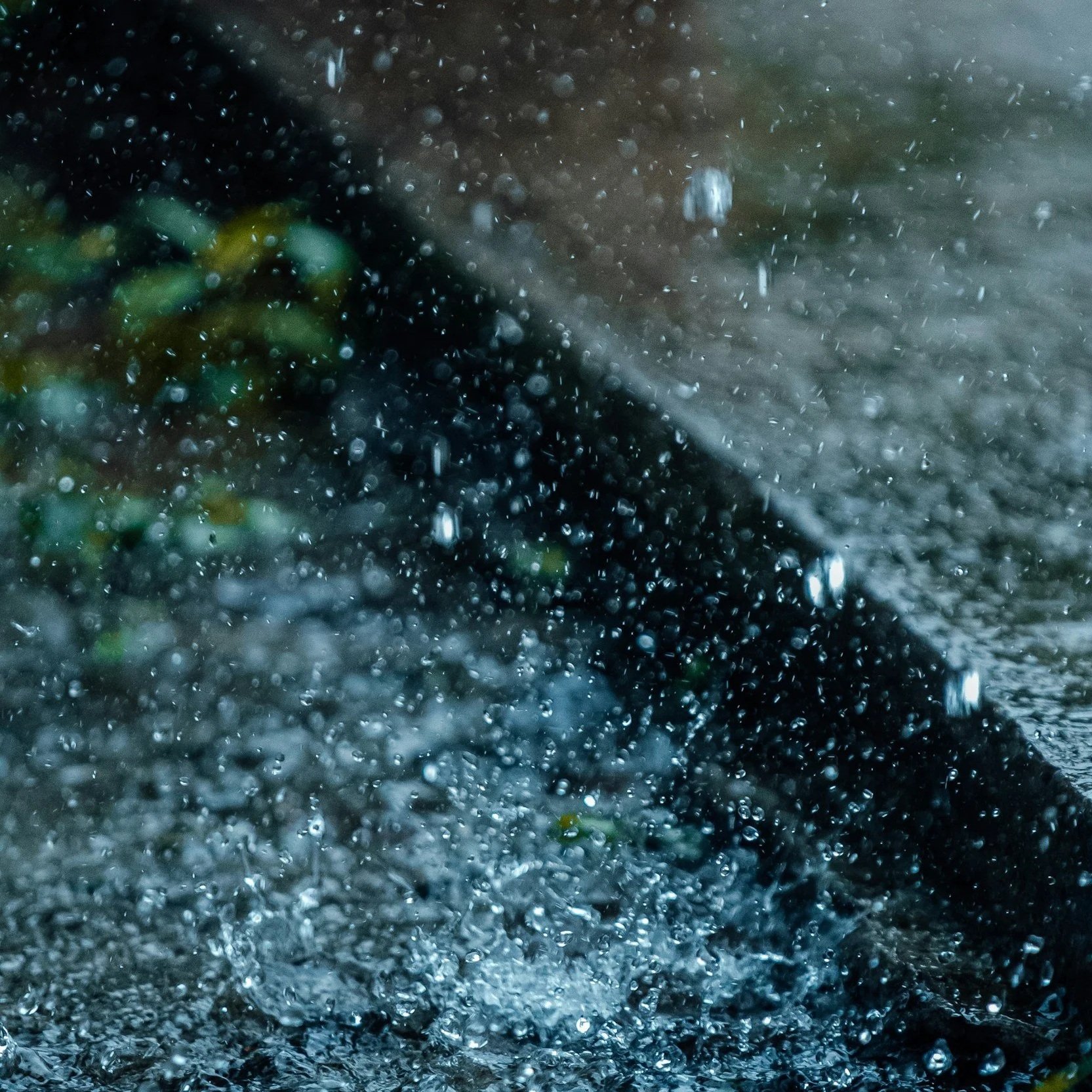
Because fences are constantly exposed to sunlight, moisture, wind, and temperature changes, selecting the right material is essential to ensure durability, performance, and long-term value.
Weather affects every exterior feature of a home, and fencing is often one of the first investments to face the elements. Because fences are constantly exposed to sunlight, moisture, wind, and temperature changes, selecting the right material is essential to ensure durability, performance, and long-term value. For homeowners, a fence is more than a decorative boundary—it provides security, privacy, and peace of mind. However, its ability to perform these functions depends heavily on how well it stands up to weather conditions throughout the year.
A professionally installed fence made from weather-appropriate materials can enhance property value, improve curb appeal, and reduce maintenance costs. For that reason, consulting with trusted local fencing professionals is one of the most important steps when deciding which material is best suited for a property and its surrounding climate.
The impact of climate on fencing
Each region has its own environmental challenges, and every type of fencing reacts differently to them. Prolonged sunlight exposure can cause fading or cracking, especially in untreated materials. Moisture from rain or humidity may lead to rust, rot, or warping. In areas that experience strong winds or storms, impact resistance and stability become major concerns. Even fluctuating day and night temperatures can cause some materials to expand and contract, leading to structural stress and eventual weakening.
Understanding how weather interacts with various fence materials allows property owners to make informed decisions that align with both aesthetic preferences and environmental realities. The right fencing choice can last decades with proper care, while the wrong one may require costly repairs or replacement far sooner than expected.
Wood
Wood remains one of the most classic and visually appealing fencing materials available. It offers warmth, versatility, and a natural charm that complements virtually any property style. However, it is also one of the most weather-sensitive materials, requiring consistent maintenance to preserve its integrity.
Temperature fluctuations can cause wood to expand and contract, leading to cracking, splitting, and surface warping. Constant exposure to moisture—whether from rain, snow, or humidity—can cause wood to rot if not properly treated. UV radiation from direct sunlight also breaks down paint or stain over time, causing discoloration and peeling.
To reduce weather-related wear, professional installers recommend high-quality hardwoods such as cedar, redwood, or cypress, which naturally resist decay and insect damage. Expert application of sealants or stains helps block moisture absorption and protect the wood fibers from UV degradation. A professional fencing service will ensure proper installation techniques, including post-setting depth and drainage management, which prevent water accumulation and prolong the fence’s lifespan.
Professionals can also advise on maintenance schedules for re-staining or resealing wood fences based on regional climate conditions. In dry, sunny environments, reapplication may be required every one to two years, while in milder climates, every three to five years may suffice. When properly installed and maintained, wood fences can last 15 to 20 years or more, offering both beauty and practicality.
Aluminum
Aluminum fencing is popular for its exceptional weather resistance and long-term performance. Unlike iron or steel, aluminum does not rust, making it suitable for humid or coastal regions where salt and moisture are constant threats. It remains stable through temperature fluctuations and resists warping, cracking, and corrosion.
Professional-grade aluminum fences are treated with powder coatings that protect against oxidation and provide a clean, attractive finish. This coating also prevents fading and chipping, even in harsh sunlight. Because aluminum is lightweight yet strong, it holds up well under high winds without bending or weakening at connection points.
Professional installers emphasize aluminum’s low-maintenance advantage. It never requires repainting, and periodic cleaning with mild soap and water is all that’s needed. Aluminum fences come in different styles and finishes, from traditional ornamental looks to contemporary minimalist designs.
Professionals ensure each post and panel is anchored securely to withstand strong gusts or shifting soil conditions. For homeowners seeking a balance between elegance, resilience, and ease of care, aluminum offers one of the best returns on investment in weather-exposed environments.
Vinyl
Vinyl fencing continues to gain traction as a reliable, weatherproof alternative to wood. Its synthetic composition makes it highly resistant to many of the environmental factors that damage natural materials. Vinyl does not rot, warp, or rust, and it stands firm against heavy rain, humidity, and intense sunlight.
Professionally manufactured vinyl is UV-treated, preventing fading and discoloration from prolonged sun exposure. It maintains its color and finish for years without requiring painting or staining. Because vinyl is nonporous, it resists mold and mildew growth, making it an excellent choice for regions with high humidity or frequent rainfall.
However, not all vinyl products are created equal. Professional fencing companies source high-quality vinyl from reputable suppliers to ensure structural integrity and long-term durability. They also understand how temperature affects vinyl’s flexibility—installing it with the proper spacing and expansion allowances prevents cracking or buckling in extreme temperatures.
Homeowners appreciate vinyl fencing for its low-maintenance nature. Occasional rinsing with a garden hose or mild detergent is enough to keep it looking new. With professional installation, vinyl fences can last 20 to 30 years, making them one of the most durable and cost-effective solutions available today.
Chain link
Chain link fencing offers dependable protection at an affordable price point, and it performs well in nearly all weather conditions. Its open-weave design allows wind to pass through, minimizing pressure on the structure during storms. It makes chain link fencing particularly well-suited for areas that experience frequent high winds or heavy rain.
Because of its metal construction, chain link fencing resists impact damage from flying debris better than solid-panel fences. To maximize weather resistance, professionals recommend chain link coated in zinc (galvanized steel) or aluminum, which helps prevent rust and corrosion. For even greater protection, vinyl-coated chain link combines strength with a sleek appearance that complements residential and commercial properties alike.
Professional installation ensures that posts are set deep enough to handle high winds and that tension wire is applied correctly to maintain structural integrity. With minimal maintenance—usually just occasional inspection and cleaning—a professionally installed chain link fence can last up to 30 years or more.
Climate and cost considerations
Weather not only affects the physical condition of fencing materials but also their long-term cost efficiency. Fences that require frequent maintenance or replacement due to climate-related wear can quickly become expensive. Professional installers evaluate environmental factors such as rainfall levels, sunlight intensity, soil composition, and temperature fluctuations to recommend the best material for each property.
For example, in hot and dry regions, metal or vinyl fencing resists UV damage better than untreated wood. In damp or coastal environments, aluminum and vinyl outperform steel due to their corrosion resistance. In colder climates with frequent freeze-thaw cycles, properly treated wood or reinforced chain link performs well when professionally installed with appropriate drainage and support.
Local fencing professionals also consider energy efficiency and sustainability. Many modern materials, such as recycled vinyl or eco-friendly wood treatments, reduce environmental impact while maintaining strength and beauty.
Professional installation and maintenance
Choosing the right material is only half the equation. Professional installation ensures that fences are properly anchored, leveled, and treated to handle local weather patterns. Expert installers take into account slope, soil stability, and exposure levels to design systems that remain sturdy and aligned year-round.
Professionals also provide ongoing maintenance and inspection services, helping homeowners spot and fix minor issues—like loose posts, rust spots, or fading coatings—before they develop into costly problems. This proactive approach maximizes the fence’s longevity and helps maintain both structural performance and visual appeal.
Working with trusted local fencing professionals ensures the materials, installation techniques, and finishes are suited to the property’s unique environmental conditions. Their experience and knowledge can save homeowners from expensive repairs, frequent replacements, and the frustration of poor-quality fencing products.
Key takeaways
Weather will always influence how fencing materials age and perform, but with professional guidance and high-quality materials, homeowners can enjoy a secure, attractive, and long-lasting fence. From wood’s classic charm to aluminum’s resilience, vinyl’s low maintenance, and chain link’s affordability, each material has its strengths when matched to the right environment.
By partnering with expert fencing services in your area, homeowners can make informed choices that maximize their investment and minimize future upkeep. A properly installed and maintained fence withstands the elements and enhances comfort, privacy, and peace of mind year after year.
FAQs About Weather-Resistant Fencing
Which fence material holds up best in harsh weather?
Aluminum and vinyl perform exceptionally well in extreme conditions. They resist rust, corrosion, and fading, making them ideal for both humid and sunny climates.
How does sunlight affect wood fencing?
Prolonged sunlight exposure causes wood to dry out, fade, and crack. Professional sealing and staining help protect against UV damage and moisture loss.
Can chain link fences withstand heavy winds?
Yes. Because of their open design, chain link fences let wind pass through, reducing pressure and preventing structural strain during storms.
How often should wooden fences be treated or sealed?
Professionals recommend reapplying sealant or stain every one to three years, depending on climate and exposure to sun and rain.
Is professional installation worth it for weather protection?
Absolutely. Professional installation ensures materials are treated, positioned, and reinforced properly to handle local weather conditions, extending the fence’s life and appearance.
