
How to Protect Loading Docks, Storage Yards, and Equipment Areas from Theft and Vandalism
Effective protection requires more than locks and warning signs.
Commercial properties depend on loading docks, storage yards, and equipment areas to keep operations moving. These zones handle valuable inventory, tools, vehicles, and materials every day. Unfortunately, they also attract theft and vandalism because activity is frequent, access changes constantly, and visibility is often limited. When these areas lack proper protection, businesses face losses that extend far beyond stolen items, including downtime, safety risks, insurance claims, and reputational damage.
Effective protection requires more than locks and warning signs. Professional security planning combines physical barriers, controlled access, visibility management, and operational awareness. For commercial properties in high-growth regions like Phoenix, AZ, proactive protection becomes essential as traffic, development, and opportunity-driven crime increase.
Why Loading Docks And Service Areas Are High-Risk Zones
Loading docks and service areas operate at the intersection of accessibility and vulnerability. Delivery schedules bring unfamiliar drivers onto the property throughout the day. Doors open and close frequently, creating windows of opportunity for theft. Pallets, equipment, and inventory often sit temporarily unattended during busy periods.
Storage yards face similar challenges. Materials may remain outdoors for extended periods, sometimes overnight or across weekends. Equipment areas often contain high-value assets, such as generators, HVAC components, and specialized machinery, which can be resold quickly. Vandals target these areas as well, causing damage that disrupts operations even when theft does not occur.
These zones also suffer from unclear boundaries. Without strong visual and physical separation, unauthorized individuals wander in without immediate detection. Professional protection strategies focus on reducing opportunities by controlling access and visibility rather than relying on reactive measures after an incident occurs.
The Role Of Physical Barriers In Theft Prevention
Physical barriers remain the foundation of commercial site security. Fencing creates clear boundaries that communicate restricted access without requiring constant enforcement. When designed correctly, fencing discourages casual intrusion and slows determined attempts long enough for detection or intervention.
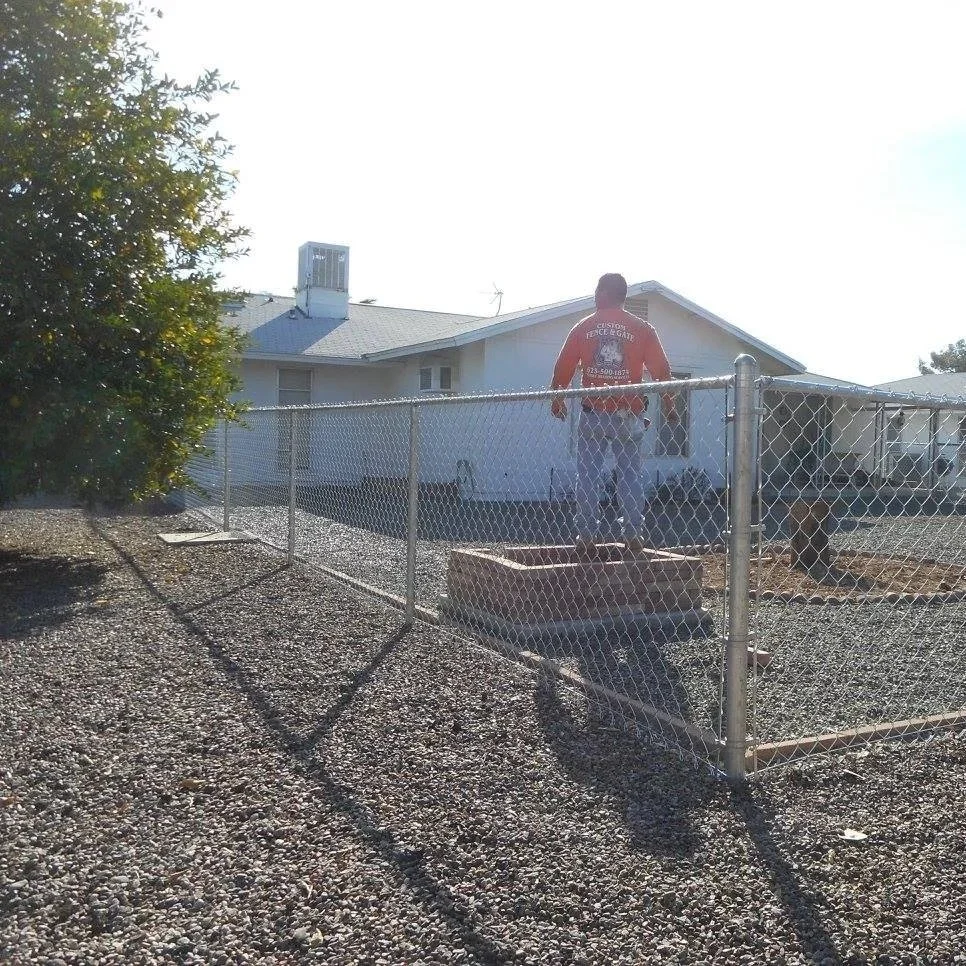
Chain link fencing remains a common choice for loading docks and storage yards due to durability and visibility. Heavier-gauge wire and reinforced posts resist cutting and impact. Privacy slats reduce visibility of stored materials, lowering temptation without fully blocking airflow or sightlines for monitoring.
Solid fencing options, such as metal panels or commercial-grade vinyl, work well in areas where complete visual screening is preferred. These materials hide valuable assets and reduce reconnaissance opportunities. Professional design ensures fencing height, layout, and materials align with both security needs and local code requirements.
Gates And Controlled Access Points
Fencing alone is not enough without proper access control. Gates represent the most vulnerable points in any barrier system. Poorly designed gates sag, fail to latch properly, or remain open during busy periods, undermining security.
Commercial-grade gates designed for frequent use perform better under constant cycling. Sliding or cantilever gates work well in tight service areas, avoiding swing clearance issues that disrupt traffic. Locking mechanisms should match usage patterns, whether manual, keypad-controlled, or integrated with access systems.
Limiting the number of access points strengthens security. Each gate adds complexity and opportunity for failure. Professional planning consolidates entry points while maintaining operational efficiency. Clear rules about who may access each gate reduce misuse and confusion.
Visibility Management And Lighting Strategy
Visibility plays a critical role in preventing theft and vandalism. Criminal activity thrives in poorly lit or cluttered environments where movement goes unnoticed. Proper lighting paired with fencing increases perceived risk and discourages intrusion.
Lighting should eliminate shadows near fence lines, gates, and building entrances. Fixtures positioned to illuminate approach paths and access points improve camera effectiveness and human awareness. Lighting does not need to be harsh, but it must be consistent and reliable.
Removing visual clutter also helps. Stacked pallets, unused containers, or overgrown landscaping create hiding spots and blind areas. Professional site assessments identify these vulnerabilities and recommend layout adjustments that improve visibility without disrupting operations.
Surveillance As A Supporting Layer
Cameras alone rarely prevent theft, but they strengthen a layered security approach. When paired with fencing and access control, surveillance provides documentation, deterrence, and real-time awareness.
Camera placement should focus on entry points, gate operation, and high-value storage zones. Clear sightlines matter more than camera quantity. Cameras positioned too high or obstructed by fencing deliver poor results.
Signage indicating monitored areas reinforces deterrence. Combined with physical barriers, visible surveillance signals that the property is actively managed rather than neglected.
Operational Practices That Reduce Risk
Security does not rely solely on infrastructure. Daily practices influence vulnerability significantly. Leaving gates open for convenience undermines even the strongest fencing. Poor key management creates access gaps that fencing cannot fix.
Clear procedures help. Delivery schedules should minimize after-hours access when possible. Temporary storage areas should remain organized and monitored. Equipment should return to designated zones rather than scattered across yards.
Employee awareness also matters. Staff who understand why access controls exist are more likely to follow protocols. Professional security planning includes operational guidance alongside physical upgrades.
Protecting Equipment And High-Value Assets
Equipment areas require special attention due to the resale value of machinery and components. Generators, copper wiring, HVAC units, and construction equipment attract organized theft rather than opportunistic crime.
Fencing height and material selection matter more in these zones. Solid fencing limits observation, while anti-climb features increase difficulty. Placement should prevent vehicles from approaching closely enough for rapid loading or removal.
Anchor systems, cages, and internal barriers add layers of protection. Even if perimeter security is breached, internal controls slow down removal and increase the likelihood of detection. Professional planning evaluates asset value and theft patterns to design appropriate protection.
Addressing Vandalism And Property Damage
Vandalism creates different challenges than theft. Graffiti, damaged gates, cut fencing, and broken fixtures increase maintenance costs and signal neglect. Properties that appear poorly maintained often experience repeated incidents.
Durable materials reduce damage severity. Thicker fencing resists bending and cutting. Powder-coated finishes withstand scratching better than painted surfaces. Prompt repairs discourage repeat activity by removing visible evidence of damage.
Privacy fencing also plays a role. Reducing visibility limits opportunities for vandalism driven by boredom or visibility rather than profit. Shielded areas attract less attention and fewer incidents.
Code Compliance And Legal Considerations
Security upgrades must comply with local codes and zoning requirements. Fence height, placement, and security features may require permits or approvals. Improper installations risk citations, forced removal, or liability issues.
In Phoenix, AZ, code compliance affects project timelines and enforcement. Professional contractors manage permitting, setback verification, and coordination with local authorities. Compliance protects both security investment and operational continuity.
Accessibility and emergency access remain critical. Security measures must not block required egress routes or fire access. Professional planning balances protection with safety obligations.
Integrating Security Without Disrupting Operations
One of the biggest concerns for businesses involves disruption. Security upgrades that interfere with deliveries or daily workflow are often met with resistance. Professional solutions integrate security into existing operations rather than forcing major changes.
Gate automation reduces delays. Clear traffic flow design prevents congestion. Access control systems accommodate different user groups without confusion. Security becomes part of the environment rather than an obstacle.
Phased implementation also reduces disruption. Upgrades can occur in stages, allowing businesses to maintain operations while incrementally improving protection.
Long-Term Cost Benefits Of Proactive Protection
The cost of theft and vandalism often exceeds the price of prevention. Lost inventory, damaged equipment, increased insurance premiums, and downtime accumulate quickly. Repeated incidents erode employee morale and customer confidence.
Proactive security investment delivers long-term savings. Reduced incidents mean fewer claims and repairs. Well-protected properties attract better tenants and retain value. Professional security planning focuses on the total cost of ownership rather than short-term fixes.
Maintenance plans further protect investment. Regular inspections, adjustments, and cleaning keep systems functioning as intended. Small issues addressed early prevent larger failures later.
Why Professional Services Matter
Protecting loading docks, storage yards, and equipment areas requires expertise. Professional contractors assess risk, traffic patterns, asset value, and site layout holistically. Generic solutions often miss critical vulnerabilities.
Professional services also adapt to change. As operations evolve, security systems adjust without full replacement. That flexibility supports growth and changing risk profiles.
Experience matters in identifying subtle weaknesses that invite theft or vandalism. Professional planning transforms security from a reactive response into a strategic asset.
Commercial Security Fencing FAQs
Why are loading docks frequent targets for theft?
Loading docks experience constant activity, open access points, and temporary storage, creating opportunities for unauthorized access and theft.
What type of fencing works best for storage yards?
Chain link with privacy slats or solid metal fencing works well, depending on visibility needs and asset value. Professional assessment determines the best option.
How can businesses reduce vandalism in service areas?
Durable fencing, proper lighting, clear boundaries, and prompt repairs reduce vandalism by discouraging repeat activity and signaling active management.
Do security upgrades require permits in Phoenix, AZ?
Permit requirements depend on fence height, placement, and features. Professional contractors manage compliance during planning and installation.
Is fencing alone enough to protect equipment areas?
Fencing works best as part of a layered approach that includes controlled access, lighting, surveillance, and operational practices.