
How to Choose a Great Fence for Your Home
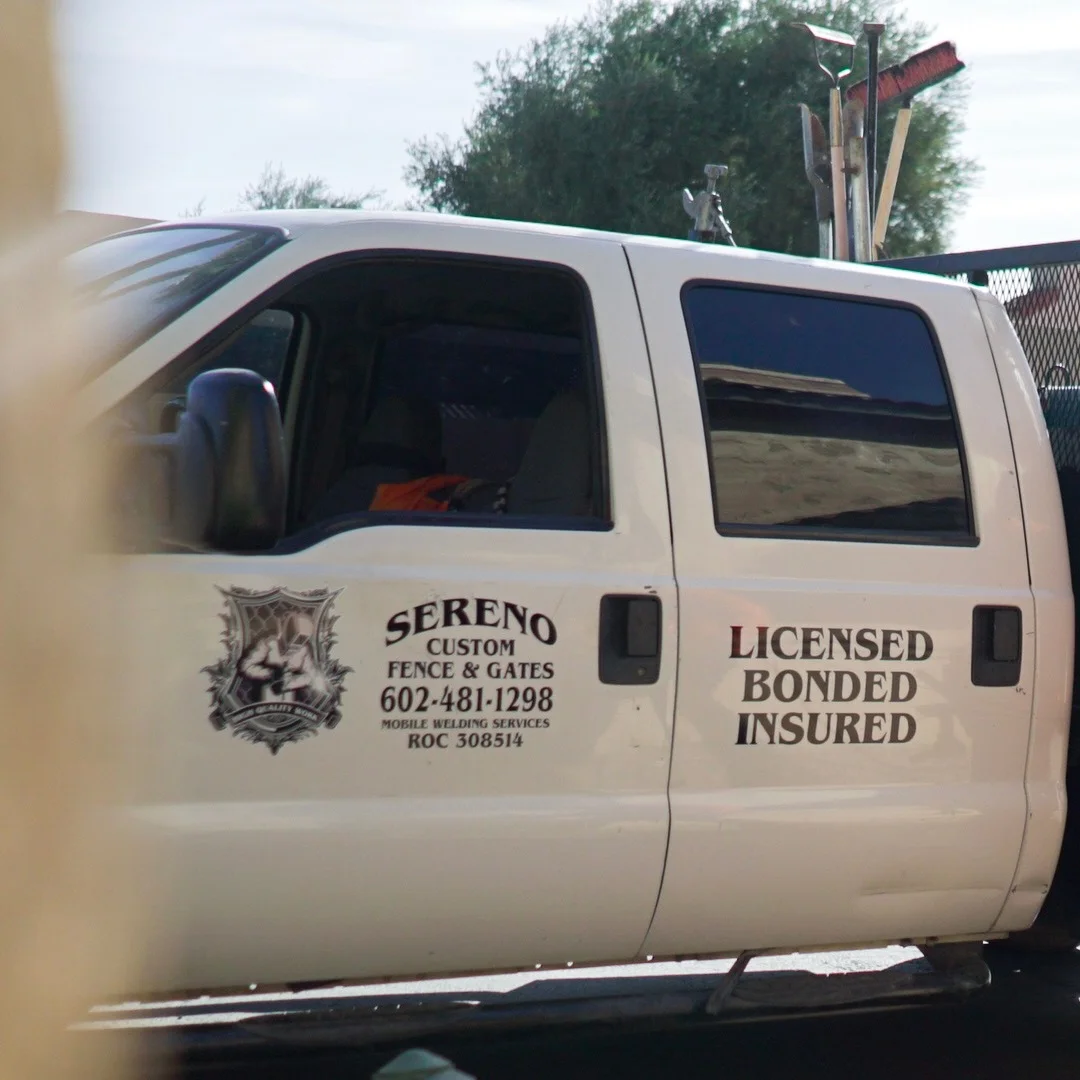
At Sereno Fence in Phoenix, Arizona, choosing a fence for a home is more than placing posts in the ground. It is about defining an outdoor space, protecting the family, adding curb appeal, and ensuring the investment stands strong under our desert sun. A great fence looks good, fits the property, and endures Arizona’s heat and winds without constant upkeep. Understanding how to make the right choice involves considering materials, climate, style, and the quality of installation.
Define Fence Goals Before Calling for a Quote
Every successful fence project begins with clear goals. Homeowners often know they need a fence, but are not always sure what purpose it should serve. Privacy, safety, security, containment for pets, or visual enhancement each influences design and material choices differently. A fence that prioritizes privacy will differ from one that emphasizes decorative style or open visibility. If the goal is peace and quiet, consider height and material density. If homeowners want a welcoming yard without sacrificing property boundaries, a semi-open design may suit them better. Deciding on these goals helps professionals tailor the best fence solution rather than treating it as a one-size-fits-all project.
Climate, Terrain, and Local Conditions Matter in Phoenix
Arizona weather brings specific challenges that must be considered when choosing fence materials and installation techniques. The intense sunlight, dry conditions, and monsoon winds can quickly expose weaknesses in inferior materials. Low-grade vinyl can fade or warp under ultraviolet radiation. Untreated wood can crack, shrink, or twist when the moisture content drops. Metal fences without a proper finish may heat excessively or develop rust near irrigation areas. Even composite materials require careful selection for expansion and contraction control.
The ground itself also matters. In parts of Phoenix, sandy soil lacks structure, so deeper concrete footings help keep posts stable. Other areas have caliche, a hardened soil that requires extra drilling strength. Professional installers familiar with the terrain know how to handle both. These details ensure the fence remains level and secure even after years of heat cycles and strong winds. Choosing a fence without considering local soil and weather often leads to a short lifespan and early replacement.
Match Material With Use Case, Maintenance Preference, and Style
Fence material selection has the biggest impact on cost, maintenance, and longevity. Wood remains a timeless favorite for its natural warmth and design flexibility. It can be shaped, painted, and stained to fit nearly any architectural theme. Yet, the Phoenix sun is unforgiving to unprotected wood. Without proper sealing, boards may warp or discolor within a few seasons. Those willing to maintain it regularly still appreciate its charm and affordability.
Vinyl fencing has surged in popularity because it provides a clean look and very little upkeep. Quality vinyl is engineered to resist heat and ultraviolet damage, making it an excellent match for desert living. It costs more upfront but saves money over time because it rarely needs repair or painting. Cheaper vinyl grades are less heat-resistant, so choosing a high-grade product is essential for Phoenix properties.
Metal fences, whether aluminum, steel, or wrought iron, bring strength and elegance. They allow visibility while securing property lines. For front yards or pool areas, metal is often ideal because it maintains openness without compromising protection. Some finishes, such as powder coating, improve corrosion resistance and extend life expectancy. Homeowners who prefer sleek or classic appearances often select these options to complement architectural style.
Composite fencing combines wood fibers and recycled plastics to create a long-lasting, low-maintenance alternative. It captures the aesthetic of natural wood while offering better resistance to heat and moisture. Although more expensive, its durability and minimal maintenance make it a practical long-term investment.
Chain-link and ranch-rail fences serve as practical solutions for marking boundaries or containing pets. They are not primarily chosen for their aesthetics, but for their affordability and functionality. For larger properties or rural lots, these options can be both cost-effective and reliable.
Style, Height, Architecture, and Curb Appeal
Fence design should never look out of place with the home. The right style brings balance and continuity. A modern home benefits from horizontal slats or minimalist metal lines, while a craftsman or traditional home pairs better with vertical panels or pickets. Front yard fences tend to be shorter and more decorative, maintaining curb visibility while defining the property. Backyard fences are usually taller and more private, providing shade and solitude.
Color is another essential element. In Phoenix, lighter tones reflect heat, keeping materials cooler to the touch. Earthy hues blend well with desert landscaping, while black or bronze metal offers a striking contrast. Some homeowners coordinate the color of their fence with the trim or roof accents for a cohesive appearance. Placement also matters. A fence that lines landscaping curves or follows architectural lines feels more natural than one that cuts awkwardly through the view.
Monsoon winds occasionally blow across the Valley, so fence design must allow for airflow where needed. Solid privacy fences can act as wind barriers, but they must be properly anchored. A professional installer will calculate spacing, post depth, and reinforcement to handle strong gusts.
Installation, Regulations, and Professional Service
Professional installation makes the difference between a fence that endures and one that fails prematurely. Setting posts at the right depth, using strong fasteners, and accounting for soil movement are details only experience provides. A licensed contractor in Phoenix also understands local regulations that govern fence height, placement, and materials. Homeowners who skip permits or misjudge property lines often face expensive corrections later.
Before installation, property boundaries must be verified to avoid encroachment disputes. Utilities such as gas, electric, or irrigation lines must be identified to prevent damage during digging. Professional installers use proper locating services to map these out. Phoenix and Maricopa County may have restrictions on maximum height, especially for front yards or corner lots. A reputable company handles this paperwork on behalf of the owner.
Quality installation involves more than craftsmanship. It includes evaluating drainage patterns, assessing wind exposure, and aligning fence lines to avoid soil erosion or water pooling. For example, in low-lying sections of the yard, concrete bases or gravel beds may be used to improve stability and prevent rot. A professional fence company ensures that all of these conditions are considered before setting the first post.
Maintenance, Longevity, and Cost of Ownership
Different fences age at different rates. Homeowners should think about long-term cost, not just installation price. A less expensive wood fence may appear budget-friendly, but it can require repeated staining, painting, and occasional board replacement. Over ten years, those costs often exceed the price of a low-maintenance material. Vinyl and aluminum fences may cost more initially, but they provide a predictable lifespan with minimal upkeep. Composite fencing strikes a balance, offering strong durability and minimal maintenance requirements.
Regardless of material, routine inspection helps prevent problems. Hinges, latches, and gate posts should be checked periodically for movement or wear. In dusty Phoenix neighborhoods, washing the fence with a mild solution once or twice a year keeps buildup from dulling its finish. Trim nearby shrubs and vines to avoid moisture traps that may cause damage. Professional installers can offer maintenance schedules or annual inspections as part of their service plan.
A high-quality fence not only provides practical benefits but also raises property value. Buyers view it as a desirable improvement, especially when materials match the home’s style and are clearly built to last. Investing in better materials and skilled craftsmanship saves both money and frustration over the life of the property.
Why Hire a Professional Local Installer
Hiring a local Phoenix fence installer means benefiting from firsthand knowledge of regional conditions. Sereno Fence understands how temperature swings affect different materials, how sandy soil influences post stability, and what finishes endure best under relentless sunlight. Working with a professional removes uncertainty and reduces future maintenance headaches.
Local installers can also respond faster to warranty or repair needs. They already know the permitting requirements and can coordinate inspections smoothly. Choosing a fence through a professional service provides peace of mind, ensures compliance with city standards, and guarantees workmanship quality.
Conclusion
Choosing a fence for a Phoenix home requires more than a quick trip to the hardware store. It means evaluating how the fence will function, how it will endure the elements, and how it complements the property. By defining goals, selecting the right material, paying attention to local conditions, and hiring an experienced professional, homeowners can expect a fence that performs beautifully for decades. Sereno Fence is dedicated to helping Arizona homeowners make informed choices, from consultation to installation, so every project results in a fence that stands strong, looks great, and feels right for the home.
Frequently Asked Questions
What height fence is allowed in Phoenix front yards?
City regulations typically limit front yard fences to about four feet, while side and rear yard fences can reach six feet or more. Always check your local zoning because rules can vary slightly between neighborhoods.
Which fence material holds up best in Arizona heat?
High-grade vinyl, composite, and powder-coated aluminum are excellent options because they resist UV damage, do not warp, and stay cooler. Properly treated wood can perform reasonably well with consistent maintenance.
Do I need a permit to replace an existing fence in Phoenix?
If you are changing height, material, or location, a permit is generally required. Even replacing an old fence with the same dimensions may require documentation. Professional installers typically manage this process.
How much maintenance will my fence need in the desert?
Vinyl and metal fences need little more than periodic cleaning. Composite requires even less attention. Wood fences need annual inspection and re-sealing every few years to withstand dry heat.
How long can I expect my fence to last?
With quality materials and professional installation, vinyl or metal fences can last more than twenty-five years. Composite fences can reach thirty years or more. Wood fences have a shorter life span, but still provide value with good upkeep.
Can a fence increase my home’s resale value?
Yes, a well-installed and visually appealing fence adds significant value. It enhances privacy, security, and overall property presentation. Potential buyers see it as an improvement rather than a future project.
If you're considering a fence or gate project in the Phoenix area, trust Sereno Custom Fence & Gates. We provide wood fences, block wall fences, iron fences, vinyl fences, chain link fences, composite fences, aluminum fences, temporary fences and custom gates for homeowners in the region. For more information call (602) 481-1298 today!
