
Horse Fencing Essentials for Phoenix Properties
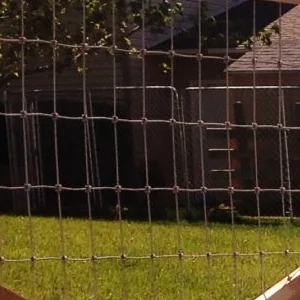
The Arizona climate, soil, and terrain present unique challenges that make selecting the right horse fencing even more crucial
If you own horses in Phoenix, you already know that the proper fencing is not just about marking property lines. It is about creating a safe, durable, and attractive space for your animals. The Arizona climate, soil, and terrain present unique challenges that make selecting the right horse fencing even more crucial. At Sereno Custom Fences & Gates, we specialize in professional horse fencing installation designed to protect your animals while complementing your property.
Choosing the correct horse fencing in Phoenix involves more than selecting a style that looks aesthetically pleasing. It means finding a balance between safety, function, and appearance that suits the desert environment. Let's explore what makes an effective horse fence, why no-climb wire is a preferred choice, and how professionals in Phoenix approach installation and maintenance for long-lasting results.
What Makes Horse Fencing Different
Horses are strong, fast, and sometimes unpredictable. Unlike smaller livestock, their size and behavior require fencing that can withstand impact while keeping them safe. A horse fence must prevent escape, avoid injuries, and remain visible to the animals. It should also withstand Arizona's intense sun and seasonal storms.
In standard residential fencing, appearance often takes priority. In horse fencing, safety leads every decision. Mesh openings, wire gauge, post spacing, and overall fence height are all critical factors. The smallest detail can determine whether a fence protects a horse or puts it at risk.
Why No Climb Wire Is the Smart Choice
No-climb wire, sometimes called non-climb fencing, has become a favorite among horse owners for several reasons. Its closely woven mesh design creates small, rectangular openings, typically measuring about two inches by four inches. Those openings are too small for a horse to get a hoof through, which means fewer injuries and far less chance of entanglement.
Another reason horse owners love no-climb wire is its strength. The wire is typically heavier gauge than what is used in general livestock fencing, giving it the strength to withstand the occasional nudge or lean from a curious horse. It is also available with galvanization or specialized coatings that prevent rust, which is especially important in Phoenix, where irrigation systems and monsoon rains can cause corrosion over time.
No climb wire also looks neat and unobtrusive. When combined with wood or metal posts, it creates a clean boundary that complements both ranch and residential properties. Unlike traditional wood rail fencing, it requires minimal maintenance and will not warp, split, or crack under desert heat.
Considerations When Installing Horse Fencing in Phoenix
Professional installation is key to achieving the strength and safety that horse fencing requires. The soil in Phoenix can vary from sandy to solid caliche, which affects how deep posts need to go and how they are anchored. Experienced installers understand how to adjust post depth, concrete footings, and spacing to account for the soil and the property's slope.
Fence height is another important consideration. Most horse fences range between five and six feet high. Taller fences help deter athletic or easily startled horses from trying to jump. For properties that house multiple horses or different breeds, we often recommend varying heights in certain sections to accommodate all animals safely.
Mesh size and wire gauge also play a role. For horse fencing, smaller openings are safer. A two-inch by four-inch mesh prevents hooves from slipping through. Heavier gauge wire provides the strength needed to handle horse behavior and weather conditions. The wire should be attached tightly and consistently along each post to avoid sagging or weak spots.
Post material depends on both function and appearance. Some horse owners prefer the rustic look of wooden posts, while others opt for steel for its longevity. In Phoenix, steel posts are often used because they resist rot and termite damage. When aesthetics are important, wood posts can be stained or painted while maintaining structural integrity.
The bottom of the fence should be placed close to the ground to prevent small animals from entering and to stop horses from reaching under it. However, it is essential to maintain sufficient clearance to prevent weeds and grasses from growing into the mesh. Many property owners in Phoenix use gravel or compacted dirt under the fence line to minimize vegetation growth.
Adding a visible top rail is another safety feature. Horses see horizontal lines better than wire mesh alone. A top rail, whether made of wood or PVC, helps them recognize the fence boundary and discourages leaning or pushing against it. It also improves the overall appearance of the fence.
The Role of Gates and Access Points
Every horse fencing system needs secure and functional gates. Gates should be wide enough for trailers and farm equipment, generally ten to twelve feet across. Smaller walk-through gates can be added for convenience. Placement of gates should allow for easy movement of horses without creating congestion points.
In the Phoenix area, gate materials must be able to withstand both heat and dust. Heavy-duty hinges, latches, and weather-resistant coatings extend their lifespan. Automatic or lockable gates can be incorporated for added security, particularly in properties located near city limits or in high-traffic areas.
Cost and Budget Planning
The cost of installing horse fencing varies depending on materials, terrain, and total distance. No climb wire is one of the most economical long-term options because it lasts for decades with minimal upkeep. Factors that affect cost include wire type, post spacing, fence height, gate design, and the need for grading or excavation.
Professional fencing contractors provide detailed estimates that include materials, labor, and site preparation. In Phoenix, additional costs may include permits or HOA approvals. Investing in professional installation prevents future expenses related to repairs, replacements, or horse injuries that can occur from improper setup.
Maintenance Tips for Long-Term Performance
Even low-maintenance fences need occasional attention. Regular inspections after the monsoon season and during the dry summer months are crucial. Look for sagging mesh, rust, or loose posts. Remove clean vegetation and debris from the fence line to maintain airflow and prevent moisture buildup.
Inspect gate hardware for wear, particularly the hinges and latches. Because the Phoenix area experiences significant temperature swings, metal components can expand and contract, resulting in loosening over time. A quick tightening or lubrication can prevent long-term damage.
If any section of wire becomes damaged, it should be replaced promptly to maintain the integrity of the fence. Touching up protective coatings or applying rust inhibitors helps extend the life of both wire and posts. With proper maintenance, a well-installed horse fence can last twenty to thirty years or more.
Why Professional Installation Matters
A professionally installed horse fence is a long-term investment. While DIY options may seem appealing, they often lead to uneven tension, weak corners, or improper post spacing. Professional installers understand how to construct a fence that not only looks good but also performs well and keeps horses safe under real-world conditions.
At Sereno Custom Fences & Gates, we handle every step of the process, from site evaluation and design to post installation and wire tensioning. We work with property owners throughout Phoenix and Maricopa County, creating fencing systems that withstand the desert environment while meeting equine safety standards. Our crews are trained to identify soil issues, slope variations, and access needs before any work begins, which reduces surprises and improves results.
Safety and Aesthetic Balance
Horse fencing can be both practical and attractive. Many property owners in the Phoenix metro area want fences that not only protect their animals but also enhance their property's curb appeal. No climb wire with wood or steel framing achieves that goal perfectly. The fence line appears tidy and professional while providing a secure barrier for horses.
In addition to traditional no climb wire, there are hybrid styles that combine wire mesh with top wood rails for a classic ranch look. This approach offers high visibility and aesthetic appeal while verifying safety and durability. Whether your property sits in Scottsdale, Mesa, Chandler, or Gilbert, this type of fencing blends seamlessly with Arizona's natural landscape.
Frequently Asked Questions
What height should a horse fence be?
Most full sized horses require fencing between five and six feet high. Taller fences are often used for energetic or jumping breeds that need added containment.
How much does horse fencing cost in Phoenix?
Costs vary based on materials and terrain. No climb wire fencing typically offers the best value for safety and longevity, and professional installation helps secure accurate pricing and long term durability.
Is no climb wire safe for horses?
Yes. Its small openings prevent hooves and legs from slipping through, reducing the risk of injury compared to traditional rail or wire fencing.
Do I need a top rail on my horse fence?
A top rail helps horses see the fence clearly, discourages leaning, and adds strength and visual appeal to the overall structure.
What is the best material for fence posts in Phoenix?
Steel posts perform well in Arizona heat and soil, while treated wood provides a classic look. Many owners combine both for a balanced and durable design.
How often should I inspect my horse fence?
Inspect at least twice a year and after strong winds or heavy rain. Routine checks help prevent minor issues from becoming costly repairs.
Can I use electric wire without a climb-resistant fence?
Some property owners add an electric line on the top or inside of the fence to deter rubbing or pushing. Professionals can safely integrate this feature during installation.
How does the Phoenix climate affect fencing?
High UV exposure and shifting soils demand materials that resist warping, rust, and heat damage. Professional installation accounts for expansion, contraction, and proper drainage needs.
How wide should my gates be?
For trailers and vehicles, ten to twelve feet is ideal. Smaller pedestrian gates can be installed separately for convenient daily access.
Why hire a professional fencing company?
Professionals understand soil conditions, tension requirements, and equine behavior. Their expertise ensures safer installation, long term stability, and protection for both horses and property.
Trusted Horse Fencing Partner in Phoenix
Horse fencing is more than a boundary; it is peace of mind for property owners who care about their animals. At Sereno Custom Fences & Gates, we bring years of local experience, quality materials, and a commitment to safety to every project. Our team has installed horse fencing throughout Phoenix, Scottsdale, Chandler, and the surrounding areas, helping horse owners create secure, functional, and aesthetically pleasing enclosures.
If you are planning a horse fencing project in Phoenix, contact us for a professional consultation. We will evaluate the property, discuss design options, and create a fence that stands strong through every season. Your horses deserve a secure space, and your property deserves fencing that reflects your care and attention to detail.
