
Fencing Standards to Keep Your HOA Happy
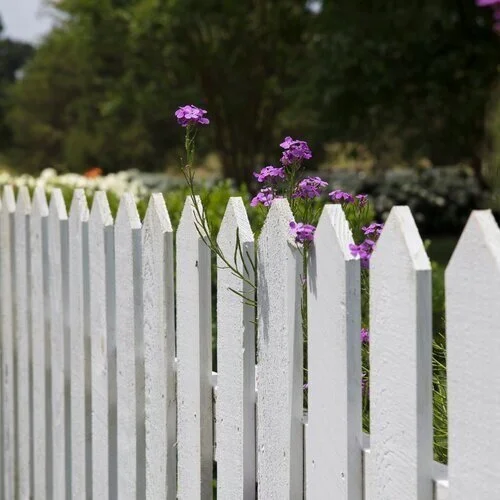
Every community has its own fencing regulations, designed to maintain curb appeal and protect property values.
Living in a Homeowners Association (HOA) community comes with plenty of perks. There is a well-kept neighborhood, increased property value, and a cohesive community aesthetic. However, all of that order and charm is built on rules, and when it comes to fences, HOAs are serious about maintaining consistency. Every community has its own fencing regulations, designed to maintain curb appeal and protect property values. At Sereno Custom Fences and Gates, we specialize in helping homeowners throughout Phoenix, Arizona, understand and comply with HOA fencing regulations, ensuring their projects remain compliant and stress-free.
Taking the time to learn the HOA's fencing rules before construction begins can prevent major headaches later. A properly approved and installed fence not only enhances a home's security and appearance but also keeps the HOA happy and wallet safe from fines.
Why HOA Fencing Regulations Exist
Homeowners Associations exist to maintain order, aesthetics, and property value within a community. Fencing is one of the most noticeable exterior features, which means even slight variations in style or material can disrupt the neighborhood's visual flow. HOA regulations create uniformity, ensuring that every property contributes to the same attractive standard.
In Phoenix and surrounding Arizona communities, HOAs often develop these rules based on local conditions. The desert heat, intense sunlight, and seasonal monsoon winds mean that not all materials perform equally well. Fencing regulations take into account not only appearance but also durability and safety.
By following HOA regulations, homeowners help protect the look and integrity of your neighborhood while preventing potential disputes with neighbors. It also makes life easier when a home goes up for sale, since buyers appreciate a compliant, well-maintained property.
Understanding Common HOA Fencing Regulations
While no two HOA communities are identical, there are several key rules to be aware of. These cover everything from style and height to placement and maintenance.
Uniformity and Style
Visual consistency is one of the top priorities in any HOA community. The HOA may specify approved materials, such as wood, vinyl, wrought iron, or aluminum. In Phoenix, many neighborhoods prefer metal or composite fencing because of their durability and clean appearance. Homeowners might be required to choose a color that matches neighboring properties or the community palette.
Failing to address these details could result in costly rework if the HOA rejects your installation upon completion. Consulting with Sereno Custom Fences and Gates early in the process helps prevent such costly mistakes. Our team can recommend designs that complement both the home's architecture and the HOA's approved style guide.
Height Requirements
Height restrictions are among the most common HOA fencing regulations. They usually vary between front and back yards. For example, a six-foot fence may be allowed for privacy in the backyard, but the front yard might be limited to three or four feet. Corner properties may have additional limits to protect driver visibility at intersections.
Before selecting materials or scheduling installation, check the HOA's height rules carefully. Each community can have slightly different standards, and the contractor must build accordingly.
View and Visibility Protection
Arizona's scenery is one of its biggest attractions. Mountain views, desert landscapes, and community gardens all contribute to a neighborhood's appeal. HOAs often protect these views by restricting solid or tall fences that could block them. Some even require fences to be see-through or decorative in design, especially near shared areas or scenic overlooks.
A fence must also remain fully within a property line. Encroaching on a neighbor's yard or public easement can result in fines or mandatory removal. Professional contractors like Sereno Custom Fences and Gates verify boundaries before installation to prevent such issues.
Material Limitations
The Phoenix area experiences high winds and occasional dust storms, so HOAs often have restrictions on fencing materials that can become hazards. Heavy wooden panels or poorly secured boards can cause damage if blown over. Vinyl, aluminum, and composite materials are typically approved because they offer better wind resistance and long-term durability.
Using HOA-approved materials protects homeowners' investments while reducing the risk of costly repairs. It also guarantees a cleaner, more uniform appearance throughout the neighborhood.
Maintenance and Appearance
Once a fence is installed, maintaining it is just as important as building it correctly. HOAs often require fences to be maintained in a clean, safe, and structurally sound condition. A leaning, faded, or broken fence can violate community standards and attract fines.
Homeowners are often responsible for repainting, sealing, or replacing damaged panels to maintain compliance. Regular maintenance is easier when a fence is built with durable, low-maintenance materials. Sereno Custom Fences and Gates offers solutions that keep upkeep minimal while maintaining an attractive finish.
The HOA Fence Approval Process
Installing a fence in an HOA community involves more than just picking materials and setting posts. Most associations require formal approval before construction begins. This process helps ensure that all new fences meet community standards and do not interfere with neighboring properties or shared areas.
When applying, include as much detail as possible. Provide material samples, color swatches, sketches, or photos of similar fences to give the board a clear picture of the plan. The approval timeline varies depending on the frequency of the HOA board meetings, but generally ranges from one to two months.
It is essential to wait for written approval before starting construction. Building before authorization can result in fines or orders to remove the fence entirely. At Sereno Custom Fences and Gates, we help homeowners prepare comprehensive submission packets that expedite approval and minimize delays.
Why You Should Hire an HOA-Experienced Fence Contractor
Choosing a contractor familiar with HOA fencing regulations can make or break your project. Inexperienced installers may overlook details that seem minor but cause major issues later, such as using an unapproved post design or incorrect spacing. An HOA-experienced company understands these nuances and helps navigate them smoothly.
Our team at Sereno Custom Fences and Gates works closely with Phoenix-area HOAs, ensuring that every installation meets both community standards and city codes. We assist with documentation, verify property lines, and ensure proper material selection for lasting results.
The Cost of Ignoring HOA Rules
Skipping HOA approval or violating fencing rules can lead to financial and legal trouble. HOAs have the authority to issue fines, demand the removal of fences, or place liens on properties that fail to comply. Once a lien is filed, it can delay the sale of your home or affect refinancing.
Ignoring regulations might seem like a shortcut, but it often ends up being the most expensive option. Taking time to review guidelines and working with professionals who understand them saves money and stress in the long run.
How Phoenix's Climate Shapes HOA Fence Regulations
Phoenix homeowners face unique challenges when it comes to designing and maintaining their fences. The intense desert sun can cause fading, cracking, or warping in certain materials. Monsoon winds put additional pressure on structures, making stability and proper anchoring essential.
Many HOAs in the area account for these conditions in their regulations. They may specify UV-resistant finishes or wind-rated materials. At Sereno Custom Fences and Gates, we use weather-tested materials suited for Arizona's climate, providing fences that maintain their integrity and appearance year after year.
Tips for a Smooth HOA Fence Installation
Review the HOA's architectural and fencing guidelines early.
Create a detailed plan with material and color selections.
Include sketches or photos in the submission for clarity.
Wait for official written approval before construction.
Hire a licensed contractor familiar with local HOA standards.
Keep records of approvals and correspondence.
Schedule periodic maintenance checks to stay compliant.
Following these steps keeps the project moving efficiently and prevents avoidable setbacks.
Working with Sereno Custom Fences and Gates
Sereno Custom Fences and Gates combines craftsmanship, compliance, and customer service. We help homeowners across Phoenix design fences that satisfy HOA requirements without sacrificing personal style. Our team provides accurate estimates, handles approval documentation, and installs high-quality materials that endure Arizona's demanding climate.
Whether the HOA allows wrought iron, vinyl, or composite fencing, we customize each project to meet both functional needs and aesthetic standards. We also offer repair and replacement services for fences that have fallen out of compliance due to age or storm damage. Our mission is to make fence ownership in an HOA community as smooth and worry-free as possible.
The Long-Term Value of Compliance
An HOA-compliant fence does more than satisfy regulations. It adds lasting value to a property and preserves neighborhood harmony. When a fence aligns with community expectations, it enhances curb appeal and reflects your commitment to responsible homeownership.
Investing in compliance now can also save thousands in potential penalties or repair costs in the future. Partnering with professionals like Sereno Custom Fences and Gates ensures a fence not only looks exceptional but also meets every HOA requirement from start to finish.
FAQs About HOA Fence Regulations in Phoenix, Arizona
How long does HOA approval take for a new fence installation in Phoenix, Arizona?
Most HOAs review applications within one to eight weeks, depending on meeting schedules and the completeness of submitted materials.
Can my HOA restrict the type of fencing material I use?
Yes. Many HOAs in Arizona limit materials to vinyl, aluminum, wrought iron, or composite to maintain consistency and durability.
What happens if my fence violates HOA regulations?
Violations can result in fines, warnings, or mandatory removal of the noncompliant fence. Continued noncompliance may lead to property liens.
Are there special fencing rules for corner lots or homes with scenic views in Phoenix?
Yes. HOAs often require shorter or see-through fences in areas where views or traffic visibility could be obstructed.
Does my fence need to match my neighbors' fences?
In most cases, yes. Uniform height, color, and style are key elements of HOA fencing regulations designed to preserve neighborhood aesthetics.
Can Sereno Custom Fences and Gates help with my HOA approval paperwork?
Absolutely. We assist homeowners with drawings, specifications, and communication with HOA boards to streamline the approval process.
What types of fences are most commonly approved by HOAs in Arizona?
Vinyl, wrought iron, and aluminum fences are widely accepted for their clean appearance and resistance to harsh weather.
How can I keep my fence HOA-compliant over time?
Regularly inspect for damage, repaint or reseal when needed, and schedule professional maintenance to preserve both function and appearance.
Why should I work with a local fencing company instead of an out-of-state contractor?
Local professionals understand Arizona's unique climate challenges and are familiar with local HOA expectations, which helps prevent compliance issues.
Does HOA compliance affect property value?
Yes. A fence that meets HOA standards contributes to the overall community value and helps prevent complications during home sales.
If you're considering a fence or gate project in the Phoenix area, trust Sereno Custom Fence & Gates. We provide wood fences, block wall fences, iron fences, vinyl fences, chain link fences, composite fences, aluminum fences, temporary fences and custom gates for homeowners in the region. For more information call (602) 481-1298 today!
