
Fencing on a Slope: Should a Fence Be Level or Follow the Ground?
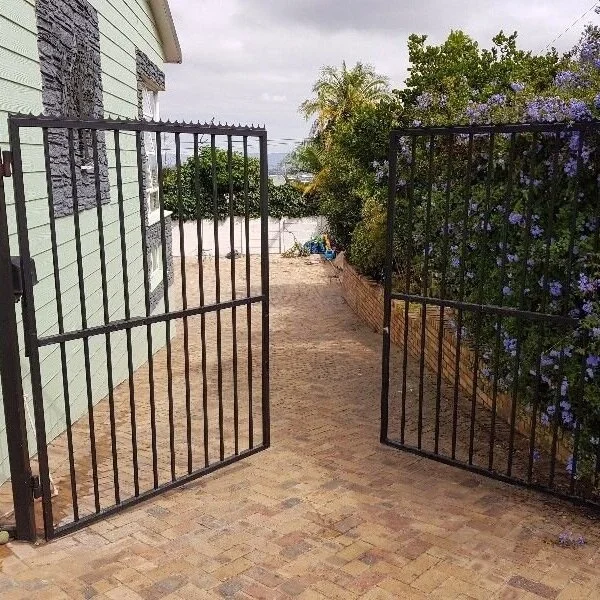
While level lots simplify installations, uneven or hilly terrain demands a strategic approach to ensure structural strength, a consistent appearance, and proper alignment.
Installing a fence on a slope presents one of the most common design challenges in residential and commercial landscaping. While level lots simplify installations, uneven or hilly terrain demands a strategic approach to ensure structural strength, a consistent appearance, and proper alignment.
Property owners often ask: Should a fence be level or follow the contours of the ground? The answer depends on the slope's degree, soil type, drainage conditions, and design preference. As professional fence installers, we help clients determine which method best complements their property and delivers long-term performance.
Evaluating the Terrain Before Installation
It is critical to evaluate the property's topography before a single post is installed. Sloped yards vary from gradual grades to sharp inclines, each requiring a unique installation technique.
Fence professionals start by measuring the slope's angle using a level and a string line. A slight grade of less than 10 degrees may only require minimal adjustments. Moderate slopes (10–20 degrees) may benefit from a racked design that follows the ground. Steep slopes above 20 degrees often require a stepped layout for improved stability.
Beyond slope angle, we assess:
Soil stability: Clay-heavy soils can shift after rain, while sandy soils require deeper post anchoring.
Drainage flow: Water runoff paths must remain unobstructed to prevent erosion near fence posts.
Accessibility: Terrain accessibility affects equipment use and labor efficiency.
Accurate slope measurement and soil evaluation ensure the fence looks even and performs well over time.
The Two Main Techniques: Racked vs Stepped Fencing
When it comes to sloped fencing, professional installers typically choose between two methods: racked fencing or stepped fencing. Each approach offers unique advantages, depending on the situation, the severity of the slope, and the desired aesthetic.
Racked Fencing: Following the Ground's Contour
Racked fences (also known as contoured fences) adjust the spacing between pickets to follow the natural line of the ground. Each panel slightly angles so that the bottom rail remains parallel to the slope. This creates a smooth, flowing appearance ideal for gradual inclines.
Advantages:
Offers a clean, seamless look with no visible gaps.
Works well for small to moderate slopes.
Allows uniform spacing between posts and pickets.
Professional Considerations:
Racking requires flexible panel designs and precise angle calibration. It's most effective with materials like aluminum, vinyl, or wrought iron, which allow slight bending without compromising strength. Wooden panels may require custom fabrication to achieve consistent lines.
Stepped Fencing: Level Panels, Tiered Design
Stepped fences are built in sections that remain level while stepping down (or up) with the grade. Each panel sits at a slightly different height, resembling a staircase when viewed from the side.
Advantages:
Best suited for steep slopes and sharp elevation changes.
Easier to install with prefabricated panels.
Offers a distinct, architectural look.
Professional Considerations:
Stepped fencing can leave triangular gaps under panels on steep slopes. These gaps may require backfilling or custom skirting to prevent pets or wildlife from entering. A professional installer ensures proper gap coverage without compromising drainage or appearance.
Leveling vs Following the Ground: Which Is Better?
The decision between leveling or following the ground depends on both practical and visual factors.
Level Fencing:
Works best when property owners want uniform, horizontal lines for visual consistency. It's often chosen for modern or urban designs where symmetry is more important than blending with the terrain. On sloped ground, this approach may leave significant gaps unless the area is graded or filled.
Ground-Contoured Fencing:
Follows the natural terrain for a cohesive and organic look. This style blends seamlessly with the landscape, making it ideal for properties with rolling hills, gardens, or natural backdrops.
From a structural perspective, both methods can perform well when installed correctly. The determining factor usually lies in the degree of the slope and the property owner's aesthetic preference.
Terrain and Drainage Considerations
Sloped land changes how water moves, and poor fence design can trap moisture or accelerate erosion. Professionals design fencing systems to accommodate natural runoff, avoiding post damage and soil loss.
For example:
On steep slopes, stepped fencing allows water to flow freely between panels.
On mild grades, racked fencing minimizes soil disturbance and maintains drainage balance.
In regions with heavy rainfall or irrigation systems, fence builders may install gravel bases or French drains around posts to prevent water pooling. In desert or clay-heavy areas, deeper concrete footings are used to combat soil shifting caused by temperature fluctuations.
Material Selection for Sloped Fence Installations
Choosing the right fencing material is just as important as the layout. Some materials handle slope adjustments more easily than others.
Wood: Natural and versatile but prone to warping on steeper slopes. Custom-cut panels are often required.
Vinyl: Lightweight and flexible, making it suitable for racked installations. Requires professional-grade posts for stability.
Aluminum: Highly durable, rust-resistant, and excellent for contouring along gradual slopes.
Steel or Wrought Iron: Strongest for steep terrains, especially when welded or custom-fabricated for stepped sections.
A professional installer evaluates the property's grade, soil, and intended fence height before recommending materials that maintain both appearance and longevity.
Cost and Labor Factors
Fence installation on sloped land is typically more labor-intensive than flat-ground projects. Costs can vary depending on:
Slope severity and grading requirements.
Material selection and customization needs.
Post depth and reinforcement methods.
Site accessibility for equipment.
Racked fences generally require more cutting and fitting, while stepped fences demand precision in post height alignment. Although sloped installations carry a higher upfront cost, professional execution ensures lasting value and reduced long-term maintenance.
Professional Techniques for Stronger Sloped Fences
Professional installers use specialized methods to keep fences secure on uneven terrain:
Deep-Set Posts: Installed deeper than standard depth for added stability on inclines.
Concrete Footing Reinforcement: Provides a solid anchor and prevents the footing from shifting.
Custom Rail Angling: Ensures rails align perfectly along slopes.
Post Spacing Calibration: Adjusts intervals to ensure a consistent appearance.
These details may seem minor, but they make the difference between a fence that lasts decades and one that warps within a few seasons.
Blending Style and Functionality
A well-built sloped fence doesn't just serve as a boundary; it becomes an architectural element of the landscape. Curved contour fencing complements gardens and rolling yards, while stepped designs create a striking geometric effect against hillside homes.
Professionals often recommend matching the fence design to the property's architecture. For example:
A modern home may benefit from horizontal slats with a level design for a sleek, contrasting effect.
A rural or rustic property may look best with contouring rails that mirror the land's natural flow.
With modern materials and custom fabrication, it's possible to combine both strength and elegance, even on challenging terrain.
The Value of Professional Installation
While some homeowners consider DIY installation, sloped fencing requires precision that only experienced contractors can provide. Professional installers guarantee:
Accurate slope measurements and post placement.
Compliance with local zoning and HOA requirements.
Efficient material use and structural stability.
Long-term warranty coverage on labor and materials.
Professionals safely manage excavation, protect underground utilities, and reduce soil disruption. This results in a fence that remains straight, strong, and seamless, no matter the ground beneath it.
Elevate Your Property with Professional Sloped Fencing
Regardless of whether the property is on a gentle hill or a steep incline, the proper fencing solution enhances safety, privacy, and aesthetic appeal. A skilled installation team can design a fence that perfectly fits the land's contours, without compromising strength or style.
Investing in professional slope fencing ensures your property looks cohesive, your boundaries stay secure, and your fence endures the test of time.
Frequently Asked Questions
Should a fence be level with the ground or follow its contour?
That depends on the property's slope and visual preference. Racked fences follow the terrain for a smooth appearance, while stepped fences stay level for a tiered look.
What type of fence is best for hilly properties?
Aluminum, vinyl, or wrought iron fences are ideal because they adapt easily to elevation changes and resist weather damage.
Can I level my yard before installing a fence?
Yes, but leveling can significantly increase costs. Most professionals recommend contouring or stepping the fence instead of major earthwork.
How do I keep gaps from forming under a stepped fence?
Custom skirting or landscaping can fill gaps. Professionals can also adjust post spacing to reduce inconsistencies.
Does sloped fencing cost more?
Yes. Labor and customization increase the price, but proper installation ensures long-term durability and fewer repairs.
Will water drainage affect my fence?
Absolutely. Proper planning ensures water flows away from posts to prevent rot, corrosion, or erosion.
How steep is too steep for a fence?
Anything beyond a 20-degree grade typically requires stepped construction for safety and alignment.
Can I use prefab fence panels on a slope?
Yes, but they may need modification. Professionals trim panels or adjust rail angles for a perfect fit.
Do local codes affect fence height on slopes?
Yes. Height limits usually apply to vertical measurement from the uphill side, so confirm with your local building department before installation.
Where can I find a fence company with experience working with sloped yards?
Look for licensed local fence contractors specializing in custom slope installations and terrain adjustments. They can recommend the best design for your property's grade and budget.
