
Enhancing Security: The Benefits of Installing Chain Link Fencing for Commercial Sites
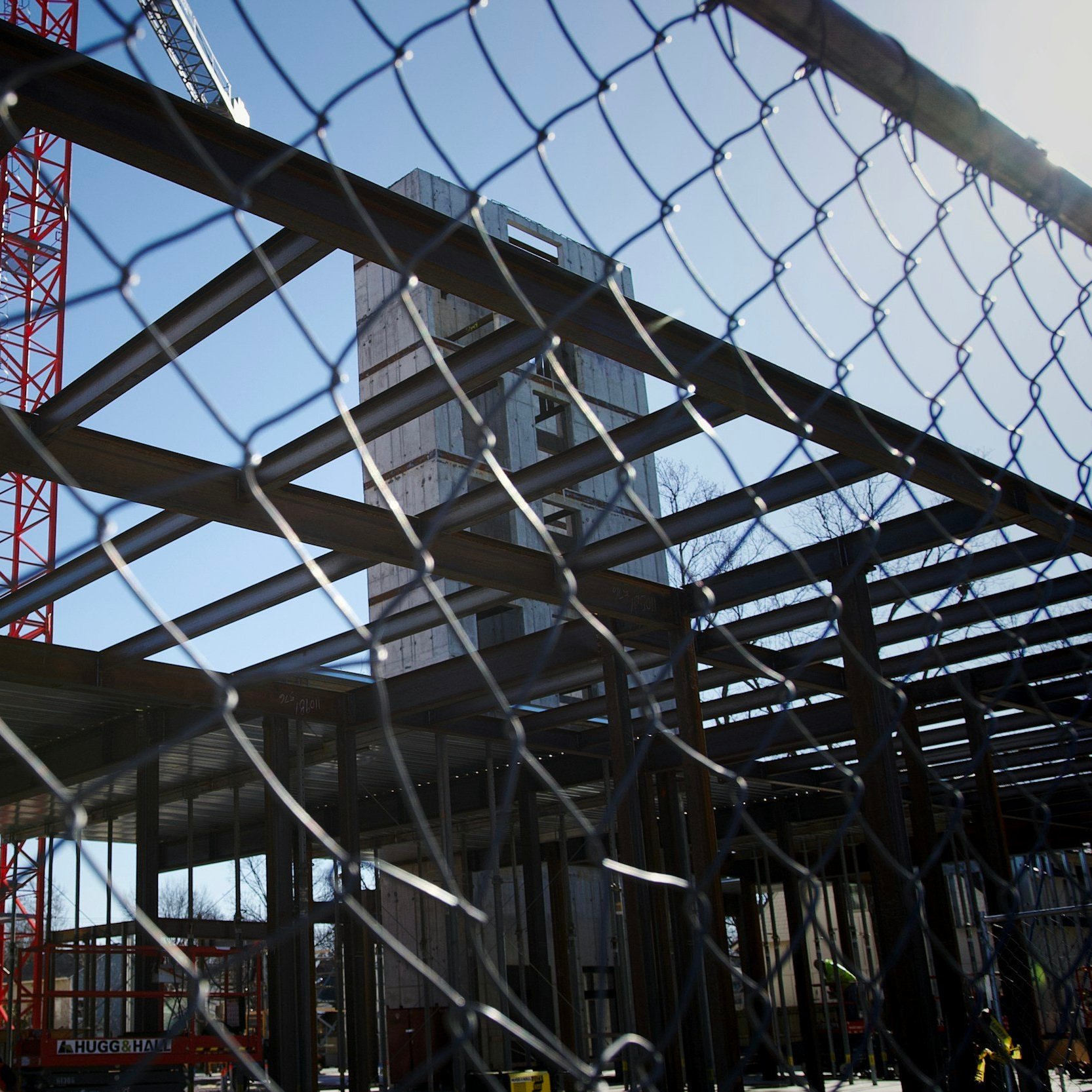
Whether for industrial complexes, retail spaces, or office parks, the installation of chain link fencing offers numerous advantages that go beyond simple perimeter marking.
In the realm of commercial property security, chain link fencing stands out as a time-tested and effective solution. Whether for industrial complexes, retail spaces, or office parks, the installation of chain link fencing offers numerous advantages that go beyond simple perimeter marking. Understanding these benefits can help business owners and property managers make informed decisions about their security measures and overall site management.
Robust Security
The primary advantage of chain link fencing for commercial sites is the enhanced security it provides. The sturdy construction of a quality chain link fence creates a formidable barrier against unauthorized entry. The open weave design allows for clear visibility, making it easy to monitor the perimeter while deterring potential intruders. For businesses dealing with valuable inventory, sensitive information, or specialized equipment, this added layer of security can be invaluable. Professional fence specialists can customize the height and gauge of the fencing to meet specific security requirements, further strengthening the protective barrier around your property.
Cost-Effectiveness
When compared to many other fencing options, chain link fencing offers an excellent balance of security and affordability. The materials utilized in chain link fences tend to be less expensive, and the installation process is quicker, resulting in lower overall costs. For large commercial
sites that require extensive perimeter coverage, the cost savings can be substantial. Additionally, the durability and low maintenance of chain link fencing mean lower ongoing costs over time, making it a sound financial choice for businesses seeking to maximize their security investment.
Durability And Low Upkeep
Commercial properties are often exposed to demanding conditions: varying weather, heavy traffic, and potential impact from vehicles or equipment. High-quality chain link fencing, typically fabricated from galvanized or coated steel, resists rust, corrosion, and wear, preserving its structural integrity for many years. At a time when a property manager’s resources may be devoted elsewhere, minimal maintenance is a significant advantage. Occasional inspections and basic cleaning are usually sufficient to keep the fence in good condition, allowing businesses to focus on their core operations rather than property maintenance.
Versatility In Design
While chain link fencing is often associated with a standard silver appearance, modern systems offer a wide range of design options to suit different aesthetic and functional needs. Coated variations in colors such as black, green, or bronze permit the fencing to blend seamlessly with landscaping or complement building exteriors. For commercial sites concerned with visual appeal in addition to security — such as retail centers or office campuses — these design features provide flexibility without compromise. Professional fencing providers can advise on the best color, gauge, and style choices to enhance both security and appearance of the property.
Quick Installation And Scalability
The relatively simple structure of chain link fencing enables quick installation, minimizing disruption to business operations. A commercial fence contractor can efficiently install large sections of fencing across multi-acre parcels in a well-coordinated schedule, making chain link ideal for sites that need to implement security measures promptly. Moreover, should the business expand or perimeter requirements change — for example, by adding a storage yard, parking lot, or staging area — the modular nature of chain link fencing means sections can be extended, reconfigured, or modified with relative ease.
Improved Property Delineation
Clear and unmistakable property boundaries are crucial for commercial sites, especially in industrial parks or shared-use zones. Chain link fencing delivers robust delineation of property lines, helping to prevent unintended trespassing by neighboring tenants, contractors, or the public. For businesses in metropolitan or mixed-use areas, this clarity supports liability reduction, controlled access, and enforcement of operations. Working with a professional fence provider ensures proper placement in alignment with local surveys, zoning codes, and shared-site layouts.
Enhanced Site Safety And Access Control
Beyond basic perimeter security, chain link fencing contributes to overall site safety. It can be used to designate secure zones within a property: separating hazardous areas, creating restricted-access zones, or segmenting tools and equipment from general access. For industrial sites, construction yards, or facilities with heavy vehicles, this internal segmentation enhances safety protocols by physically preventing unauthorized access while maintaining visibility and monitoring. Customized gates, card-readers, electronic keypad systems, and access-control devices can be integrated into the chain link system to support modern security demands.
Customization Options And Integration
One of the most powerful advantages of chain link fencing in a commercial setting is its ability to be extensively customized to meet your unique security requirements. Whether you require added deterrents like barbed-wire or razor ribbon toppings, privacy slats for screened zones, or automated sliding gates with access controls, chain link fencing supports seamless integration of these features. For example, a logistics yard may install a 10-foot high chain link topped with razor ribbon and motion sensors; an office park may opt for coated black chain link with landscaping and automated pedestrian gates. Tailoring the system enables the fencing to serve not just as a barrier but as part of the overall security infrastructure.
Compliance With Regulations And Industry Standards
Commercial properties often fall under local or state regulations regarding perimeter security, trespass prevention, insurance coverage, and site safety. Chain link fencing often meets or exceeds those requirements, and partnering with a professional installer means those legal and code obligations are addressed. In Arizona and surrounding markets, companies must contend with local zoning rules, desert-environmental exposure, wind-load ratings, and occupational safety mandates. By choosing a vendor familiar with regional requirements, property owners can minimize delays, avoid compliance penalties, and ensure that the fencing installation supports the operational and regulatory needs of the site.
Long-Term Value And Return On Investment
When you combine robust protection, minimal upkeep, and design flexibility, chain link fencing represents a valuable long-term investment for commercial properties. Businesses evolve, site layouts change, access demands shift — and a well-designed chain link system accommodates extensions, re-configurations, or gate additions without full replacement. The durability of materials ensures the fencing remains functional and visually acceptable for many years. From a property-management perspective, this means fewer capital replacements, lower lifetime ownership costs, and predictable operational budgets.
Choosing A Fence Contractor For Commercial Sites
Selecting the right fencing contractor is crucial to achieving the full benefit of chain link fencing. Here are key factors to evaluate:
Experience: Confirm the contractor has completed commercial projects — warehouses, retail campuses, office parks — rather than only residential jobs.
Local knowledge: A Phoenix-area installer should understand desert conditions, municipal permitting, wind and sun exposure, and regional commercial code.
Material quality: Ensure the use of high-gauge steel, proper galvanizing or coating, heavy-duty posts, commercial-grade hardware, and quality gate systems.
Integration capabilities: Ask whether they can coordinate access control devices, surveillance integration, and landscaping coordination.
Maintenance and service: Even durable systems benefit from periodic inspections — ask about maintenance contracts or repair responsiveness.
Frequently Asked Questions
What height of chain link fencing is typical for commercial sites in the Phoenix area?
In our experience, commercial perimeters often use 8- to 12-foot high chain link fencing, sometimes topped with barbed or razor wire for high-security zones. Local wind loads and code may influence post depth and anchor engineering.
Can chain link fencing be color-coated to match a corporate facility or landscaping?
Yes. Modern chain link fences in commercial applications can be coated in powder-coat finishes such as black, bronze, or green. This improves aesthetics while offering the durability of metal. For a Phoenix campus or desert facility, a bronze or tan finish often blends well with the surroundings.
How long will a commercial-grade chain link fence last in an industrial setting?
With proper materials and installation — heavy-gauge wire, high-quality posts, and good coatings — a commercial chain link fence can remain structurally sound for 20–30 years or more, even under harsh conditions. Occasional repair of damaged sections helps preserve lifespan.
How does chain link compare with other commercial fencing options like ornamental iron or vinyl panels?
For large commercial perimeters, chain link offers a more competitive cost per linear foot, faster installation, open visibility for monitoring, and simpler maintenance. Ornamental iron may have a higher-end look but higher cost and maintenance; vinyl may crack or fade in high-heat climates. A professional installer can provide a cost-benefit comparison tailored to your site.
Are there specific Phoenix/AZ regulations that property managers should know when installing chain link fencing?
Yes — in the Phoenix and surrounding metro area, you will need to check city zoning for commercial fences, consider wind-load ratings (especially near open lots), setback requirements, and HOA/park-site landscaping codes if part of a larger campus. A local fence contractor will manage permitting and compliance.
Key takeaways
If your business property in Phoenix or the surrounding area is reviewing perimeter security, the installation of chain link fencing is a robust and flexible choice. From cost-effective security and long-term durability to design adaptability and local code compliance, chain link fencing delivers the features commercial property managers demand. By selecting a qualified local professional with commercial experience, you ensure the system meets your site layout, expansion plans, and security objectives.
If you’re considering a fence or gate project in the Phoenix area, contact us to discuss how we can design, install, and maintain a custom commercial-grade chain link fencing system tailored to your site. Your perimeter is only as strong as the planning behind it — let us help you secure it with a solution built to perform.
