
Custom Guard Rails: When Off-the-Shelf Barriers Don’t Work
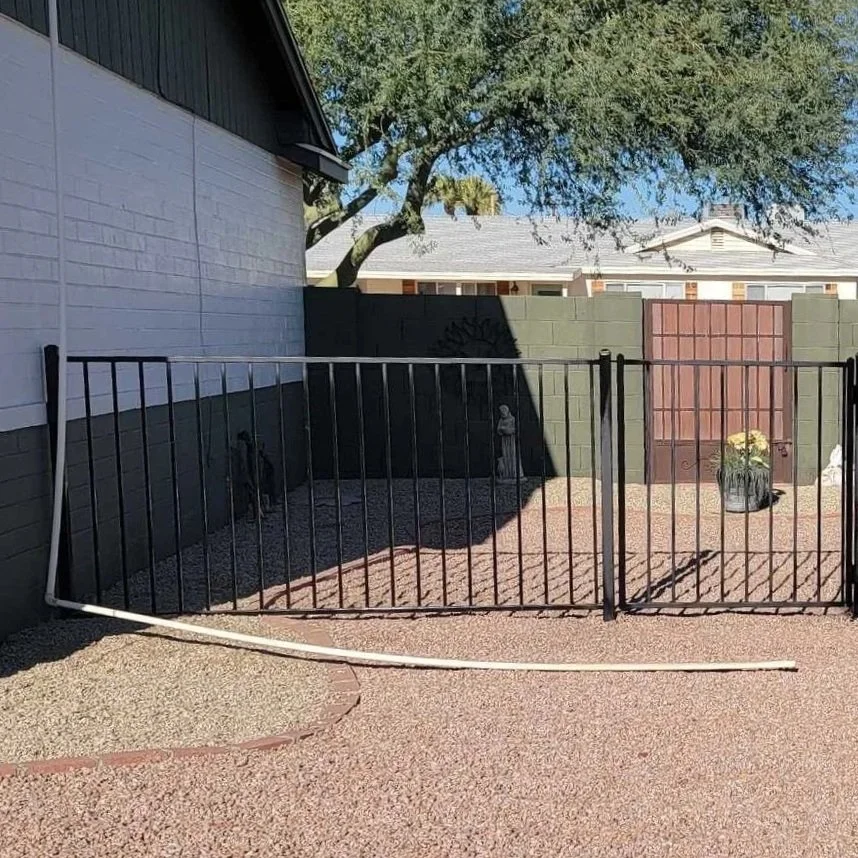
When safety requirements intersect with complex site conditions, custom guard rails become a practical necessity rather than an upgrade.
Off-the-shelf guard rails solve basic problems, but many commercial and multi-use properties quickly reach the limits of what standard barriers can realistically handle. Parking lots rarely follow perfect grids, pedestrian paths curve around buildings and landscaping, and elevation changes introduce safety challenges that generic systems were never designed to address. When safety requirements intersect with complex site conditions, custom guard rails become a practical necessity rather than an upgrade. Purpose-built systems protect people and property more effectively, integrate with the environment, and perform better over time when standard solutions simply do not fit.
Why Standard Guard Rails Fall Short In Real Properties
Standard guard rails are manufactured with uniform dimensions, fixed angles, and limited configurations. They work best in predictable environments with straight runs and minimal variation. Real properties rarely operate under those conditions. Tight corners, angled parking, mixed-use traffic, and irregular building footprints create situations where standard rails leave gaps or awkward transitions.
Those gaps become safety liabilities. Vehicles may bypass protection, pedestrians may encounter exposed edges, and property owners face increased risk. Modifying off-the-shelf systems often results in compromised performance and uneven appearance. Professional assessment frequently reveals that a custom solution delivers better coverage and long-term value than forcing generic components into unsuitable layouts.
Irregular Layouts And Complex Geometry
Many properties feature curved drive aisles, rounded walkways, serpentine ramps, and non-uniform elevations. Standard guard rails rely on straight sections connected by fixed-angle joints, which struggle to follow these shapes cleanly. The result often looks pieced together and leaves inconsistent spacing between rails and posts.
Custom guard rails are fabricated to match the exact geometry of the site. Curves flow smoothly, angles align correctly, and protection remains continuous throughout the space. Professional design ensures that safety coverage remains consistent without visual clutter. The difference becomes especially noticeable in high-visibility areas where appearance matters as much as performance.
Unique Elevation Changes And Drop Off Conditions
Raised walkways, podium decks, split-level parking, and tiered landscaping introduce elevation changes that demand careful guard rail planning. Off-the-shelf systems typically lack flexibility in height adjustment and slope transitions. Abrupt changes in rail height or alignment can feel awkward and reduce safety effectiveness.
Custom systems allow gradual transitions that maintain protection across changing elevations. Professional design accounts for slope angles, step heights, and how people actually move through the space. Guard rails remain comfortable to use, visually consistent, and structurally sound across elevation changes that standard products cannot address properly.
High Traffic And High Impact Zones
Certain areas experience repeated vehicle contact due to tight turning radii, delivery activity, or frequent service access. Standard guard rails often bend or loosen under repeated low-speed impacts, leading to frequent repairs and downtime.
Custom guard rails can be engineered specifically for these stress points. Thicker steel, tighter post spacing, deeper anchoring, and reinforced sections improve impact resistance. Professional assessment identifies where additional strength is required and where lighter solutions remain appropriate. Designing for real traffic behavior reduces maintenance cycles and long-term costs.
Integrating Guard Rails With Existing Structures
Many sites require guard rails to connect cleanly to walls, columns, stairs, retaining walls, or equipment pads. Off-the-shelf systems rarely align properly with these features, leaving exposed edges or awkward termination points that weaken protection.
Custom fabrication allows guard rails to integrate seamlessly with existing structures. Attachment points are designed for strength and longevity, not convenience. Professional installers coordinate connections that protect both the guard rail system and the structure it interfaces with, creating a cohesive and reliable safety solution.
Balancing Safety And Aesthetics In Visible Areas
Commercial and residential properties increasingly expect safety features to complement architecture rather than detract from it. Generic guard rails often carry an industrial appearance that clashes with upscale or residential environments.
Custom guard rails offer flexibility in materials, finishes, and design profiles. Powder-coated steel, architectural metals, decorative infill panels, and clean line designs provide protection without overwhelming the space. Professional coordination ensures aesthetic choices never compromise structural performance. The result supports branding, leasing appeal, and resident satisfaction while maintaining safety.
Meeting Specific Code And Compliance Requirements
Building codes, accessibility standards, and safety regulations vary depending on location and use. Some sites require specific heights, load ratings, or spacing that off-the-shelf systems cannot meet without modification. Attempting to adapt generic products often introduces compliance risk.
Custom guard rails are designed to meet applicable requirements from the outset. Professional documentation supports permitting and inspection processes, reducing delays and revisions. Compliance becomes an integral part of the design rather than a retrofit challenge addressed under inspection pressure.
Pedestrian Focused Environments And Human Interaction
Areas with heavy foot traffic demand guard rails designed for human interaction, not just vehicle containment. Hand placement, comfort, visibility, and predictability all influence safety outcomes. Off-the-shelf systems often prioritize vehicle behavior alone.
Custom systems integrate pedestrian needs into the design. Rail heights support leaning and walking without discomfort. Spacing prevents climbing while maintaining openness. Professional planning accounts for children, seniors, and individuals with mobility challenges. Guard rails feel intuitive rather than restrictive, encouraging safe behavior naturally.
Vehicle Mix And Operational Demands
Properties rarely serve a single vehicle type. Passenger cars, delivery vans, box trucks, service vehicles, and emergency responders each introduce different forces and movement patterns. Standard guard rails assume average conditions that may not reflect actual use.
Custom guard rails address real operational demands. Heavier-duty protection may be concentrated around loading zones, while lighter architectural rails serve pedestrian areas. Professional assessment tailors solutions to how the site actually functions rather than relying on assumptions.
Durability In Harsh Environmental Conditions
Climate significantly affects guardrail performance. Heat, UV exposure, moisture, dust, and airborne contaminants accelerate wear. Off-the-shelf coatings and materials may deteriorate quickly when exposed to harsh conditions.
Custom systems allow careful selection of materials and finishes suited to local environments. Galvanized steel, specialized powder coatings, and corrosion-resistant fasteners extend service life. Professional fabrication ensures compatibility between materials, coatings, and anchoring methods for consistent performance over time.
Reducing Long-Term Maintenance And Repair Costs
Standard guard rails often require frequent adjustments, repairs, or replacements when used outside their ideal applications. These ongoing costs accumulate quietly and disrupt operations.
Custom guard rails reduce maintenance by addressing risks during design rather than reacting later. Stronger materials, precise fit, and better anchoring minimize wear and loosening. Professional installation reduces stress points that lead to premature failure. Predictable performance supports better budgeting and fewer surprises.
Supporting Branding And Property Identity
Guard rails influence how a property feels to residents, tenants, and visitors. Generic barriers may clash with architectural themes or signal an afterthought approach to design.
Custom guard rails support property identity through color matching, consistent detailing, and thoughtful integration. Professional coordination aligns guard rails with fencing, lighting, and architectural elements. Safety features become part of the overall design language rather than visual interruptions.
Adapting To Renovations And Future Site Changes
Properties evolve as traffic patterns shift, amenities expand, and layouts change. Off-the-shelf guard rails often limit flexibility and require full replacement when modifications occur.
Custom systems can be designed with modular components or future expansion in mind. Professional planning anticipates how the site may change and incorporates adaptability. That foresight protects investment and avoids unnecessary replacement later.
Installation Precision And Professional Execution
Custom guard rails demand precise installation to deliver their full value. Fabrication accuracy must align with field conditions, anchoring, and layout. Improper installation undermines even the best designs.
Professional installers coordinate closely with fabrication teams. Measurements are verified, adjustments occur before installation, and alignment remains consistent throughout the system. Precision installation produces clean lines, reliable performance, and long-term durability.
Permitting And Documentation Advantages
Custom guard rail projects often include engineered drawings and detailed specifications. That documentation supports permitting, inspection, and insurance review processes. Authorities appreciate clarity and consistency.
Professional services manage documentation as part of the overall project. Clear plans reduce review delays and inspection challenges. Compliance becomes easier to demonstrate when systems are purpose-built rather than adapted.
When Off-The-Shelf Solutions Still Make Sense
Standard guard rails still serve a role in simple environments with predictable layouts. Straight parking rows, isolated equipment pads, and low traffic areas may not require customization.
Professional assessment helps determine where standard systems suffice and where custom solutions add value. Combining both approaches often produces the most efficient and effective outcome.
The Value Of Professional Assessment And Custom Design
Choosing between standard and custom guard rails requires more than visual comparison. Performance differences emerge under real-world use. A professional assessment evaluates site geometry, traffic behavior, pedestrian exposure, and environmental conditions.
Custom guard rails fill the gaps where generic solutions fall short. Thoughtful design and professional installation transform guard rails into integrated safety features rather than reactive additions. When off-the-shelf barriers do not work, custom solutions deliver safety that fits the site and stands up to everyday use.
Frequently Asked Questions About Custom Guard Rail Systems
when should a property consider custom guardrails?
Custom guard rails are recommended when property layouts are irregular, traffic patterns are complex, or standard systems leave gaps in protection. Facilities with unique architectural features or mixed pedestrian and vehicle movement often benefit from tailored designs. A professional assessment helps identify where customization improves safety and overall system performance.
are custom guard rails more expensive than standard options?
Custom guard rails may have a higher initial cost due to design and fabrication requirements. However, they often reduce long-term maintenance, repair expenses, and modification needs. When evaluated over the full lifespan of the system, total ownership cost frequently favors a properly engineered custom solution.
can custom guard rails meet code and safety requirements?
Custom guard rails are specifically designed to meet applicable building codes and safety standards for the intended environment. Professional engineering, documentation, and installation support permitting and inspection processes, ensuring compliance while maintaining performance.
do custom guard rails take longer to install?
Fabrication of custom guard rails may add planning time before installation begins. Once delivered, however, installation often proceeds efficiently because components are manufactured for a precise fit. Proper coordination between design and installation teams helps reduce delays caused by field adjustments.
can custom guard rails match a property’s appearance?
Custom guard rail systems provide greater flexibility in materials, finishes, dimensions, and overall design. This allows them to integrate more seamlessly with architectural features and branding elements than generic barriers. A well-designed system balances visual appeal with structural performance.
Sereno Custom Fence & Gates offers a complete, one-stop solution for professional metalwork services in the Phoenix area, including mobile welding, handrails, guard rails, and trash enclosures. Our skilled and certified technicians work with high-quality materials to deliver durable, safe, and visually appealing solutions with a focus on quality, reliability, and long-term performance. Whether you need custom metal installations or repairs, we provide affordable, transparent pricing and trusted workmanship. Contact us today and enhance your property with secure, professionally crafted metalwork.
