
Commercial Fence Types Compared: Chain Link, Iron, Aluminum or Vinyl for High-Traffic Properties
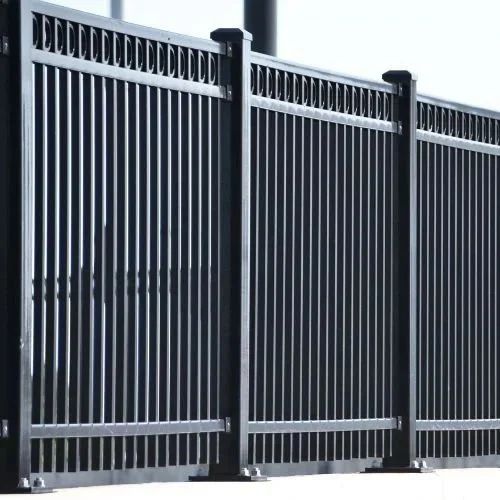
A well-selected commercial fence manages flow, protects assets, supports safety standards, and contributes to how a business presents itself to customers and tenants.
High-traffic commercial properties face constant pressure from vehicles, foot traffic, weather, and public visibility. Fencing in these environments does far more than mark boundaries. A well-selected commercial fence manages flow, protects assets, supports safety standards, and contributes to how a business presents itself to customers and tenants. Property managers, developers, and facility directors across busy commercial corridors regularly weigh durability, maintenance demands, security performance, and appearance when choosing fencing. Chain link, iron, aluminum, and vinyl remain the most common commercial fencing options, yet each behaves very differently once daily traffic and long-term exposure enter the picture.
Understanding High-Traffic Property Demands
High-traffic properties include warehouses, retail centers, apartment complexes, schools, medical facilities, and industrial yards. Constant movement increases wear on fence lines, gates, posts, and hardware. Vehicle impact risk rises near loading zones and parking areas. Pedestrian traffic adds stress at access points and corners where people tend to lean, push, or congregate. Environmental exposure compounds those challenges, especially in regions like Phoenix, where heat, sun, and dust accelerate material fatigue.
Commercial fencing in these settings must balance resilience with practicality. A fence that looks impressive but fails under constant use quickly becomes a liability. On the other hand, an overly utilitarian fence may create a harsh or neglected impression for customers and tenants. Professional fence selection focuses on lifecycle performance rather than just upfront cost.
Chain Link Fencing For Heavy Use Environments
Chain link fencing remains one of the most common choices for high-traffic commercial properties. The design allows wind to pass through, reducing stress on posts and framework. Galvanized steel construction resists rust when properly specified, and vinyl-coated options add extra protection and visual appeal.
For properties with frequent vehicle access, chain link fences pair well with sliding or cantilever gates that handle repeated cycles without warping. Industrial facilities and logistics hubs often favor chain link because repairs stay localized. Damaged fabric sections can be replaced without disturbing long fence runs, which limits downtime and cost. Visibility through the fence also supports security by allowing staff and cameras clear sightlines.
Chain link fencing adapts easily to upgrades. Privacy slats, barbed wire, razor wire, and anti-climb features integrate without replacing the base structure. That flexibility makes chain link attractive for properties that expect changing security needs over time. In high-traffic zones, thicker gauge wire and stronger posts become essential to prevent sagging and impact damage.
Iron Fencing For Strength And Visual Authority
Iron fencing delivers a strong visual message while offering serious durability for high-traffic commercial properties. Steel or wrought iron systems perform well along building perimeters, storefronts, and entry features where appearance matters as much as security. The rigidity of iron resists bending and cutting far better than lighter materials.
In busy pedestrian environments, iron fencing creates clear boundaries without blocking visibility. Businesses often use iron fencing around office campuses, mixed-use developments, and multifamily properties to convey order and professionalism. Powder-coated finishes protect against corrosion and allow customization that complements branding or architectural style.
Iron fencing requires careful installation to handle traffic-related stress. Posts must anchor deeply and evenly to avoid shifting. Gates need reinforced hinges and closers to tolerate constant opening and closing. While iron costs more upfront than chain link, long-term performance often justifies the investment when aesthetics and security share equal priority.
Aluminum Fencing For Traffic With A Lighter Touch
Aluminum fencing offers the clean appearance of iron without the same weight or maintenance demands. Commercial aluminum systems resist rust naturally, making them appealing in environments exposed to moisture, irrigation, or cleaning runoff. High-traffic retail centers and office parks often favor aluminum fencing for its polished look and consistent performance.
Aluminum works well where the impact risk stays moderate. Pedestrian-heavy areas, pool enclosures, and decorative perimeter fencing benefit from aluminum strength without feeling imposing. Modern commercial-grade aluminum includes reinforced rails and thicker pickets designed to handle frequent contact.
For high-traffic properties, aluminum fencing often pairs with access control gates and electronic systems. Smooth operation reduces strain on components, extending system life. While aluminum does not match iron in raw impact resistance, professional design and placement mitigate most concerns in commercial settings.
Vinyl Fencing In Busy Commercial Settings
Vinyl fencing serves specific roles in high-traffic commercial environments, particularly where privacy and appearance outweigh direct impact concerns. Businesses use vinyl fencing to shield dumpsters, mechanical equipment, employee areas, and outdoor storage from public view. Solid panels reduce visual clutter and help properties maintain a clean exterior presentation.
Modern commercial vinyl fencing resists fading and cracking better than earlier versions, especially when UV-stabilized materials are specified. In pedestrian-heavy zones, vinyl creates clear boundaries without sharp edges or exposed hardware. Maintenance remains minimal since vinyl does not rust, peel, or require repainting.
Vinyl fencing performs best when installed with reinforced posts and proper spacing. High-traffic properties must account for wind load and incidental contact from carts or vehicles. Professional installers evaluate the layout carefully to prevent panel movement or long-term sagging.
Comparing Durability Under Constant Use
Durability remains the top concern for high-traffic commercial fencing. Chain link excels in environments with frequent contact and occasional impact. Iron offers superior resistance to cutting and bending while maintaining long-term structural integrity. Aluminum provides reliable strength for pedestrian-heavy areas with reduced maintenance needs. Vinyl delivers durability in controlled applications where privacy and appearance take priority.
Professional fence contractors assess traffic patterns, vehicle access points, and usage intensity before recommending materials. A warehouse perimeter faces different demands than a retail storefront or medical campus. Matching fence material to actual use prevents premature wear and costly replacements.
Maintenance Considerations For Busy Properties
High-traffic properties rarely have time for constant fence repairs. Chain link fencing offers the easiest maintenance profile, with quick repairs and modular components. Iron fencing requires periodic inspection of coatings and hardware to prevent corrosion. Aluminum fencing demands minimal upkeep beyond routine cleaning and hardware checks. Vinyl fencing benefits from simple washing to remove dust and debris.
Maintenance planning should factor into material selection from the start. Properties with limited maintenance staff often favor systems that tolerate neglect without rapid degradation. Professional installation plays a major role in long-term performance, as poorly set posts or misaligned gates accelerate wear regardless of material.
Security Performance Across Fence Types
Security expectations vary widely across commercial properties, yet high-traffic environments demand consistent protection. Chain link fencing supports layered security through height options, wire gauge selection, and accessory integration. Iron fencing naturally deters intrusion due to its strength and visual authority. Aluminum fencing balances security with accessibility, particularly in monitored or staffed locations. Vinyl fencing limits visibility and access in targeted areas rather than entire perimeters.
Commercial fence design often blends materials to address different security zones. A property might use chain link around loading yards, iron at public entrances, aluminum near amenities, and vinyl for service enclosures. Coordinated design improves both security and appearance.
Visual Impact And Brand Perception
Fencing influences how customers, tenants, and visitors perceive a business. High-traffic properties benefit from fencing that aligns with brand identity while maintaining order. Iron and aluminum fencing projects professionalism and stability. Vinyl fencing supports cleanliness and organization. Chain link fencing communicates function and transparency when used intentionally.
Professional fence contractors help businesses balance cost and visual impact. Strategic placement and finish selection elevate even practical fencing systems. In competitive commercial markets, thoughtful fencing contributes to overall property value.
Choosing The Right Fence For Your Property
Selecting the best commercial fence for a high-traffic property requires understanding how each material performs under real-world conditions. Traffic volume, vehicle exposure, security requirements, maintenance capacity, and visual goals all influence the decision. Experienced professionals evaluate these factors holistically rather than recommending a single solution for every property.
A tailored fencing plan often combines materials and configurations to serve different zones effectively. That approach maximizes performance, controls costs, and supports long-term property management goals.
Commercial Fence Material FAQs
What fence type works best for commercial properties with heavy vehicle traffic?
Chain link fencing performs well around loading zones and vehicle-heavy areas due to flexibility, visibility, and ease of repair. Reinforced posts and heavier gauge wire improve durability in high-use locations.
Is iron fencing suitable for high-traffic pedestrian areas?
Iron fencing works well in pedestrian-heavy environments when professionally installed with reinforced gates and proper spacing. The material provides strong visual boundaries while maintaining open sightlines.
Does aluminum fencing hold up in commercial applications?
Commercial-grade aluminum fencing handles frequent pedestrian use effectively and resists corrosion. Proper design and placement help aluminum perform reliably in busy settings.
Can vinyl fencing handle commercial traffic demands?
Vinyl fencing works best in controlled commercial areas such as dumpster enclosures or employee zones. Reinforced installation improves performance where moderate contact occurs.
How do Phoenix climate conditions affect commercial fence choices?
Heat, sun exposure, and dust influence material performance. Galvanized and coated metals resist corrosion, while UV-stabilized vinyl reduces fading and cracking. Professional material selection accounts for local conditions.
