
Basic Wood Fence Maintenance Tips
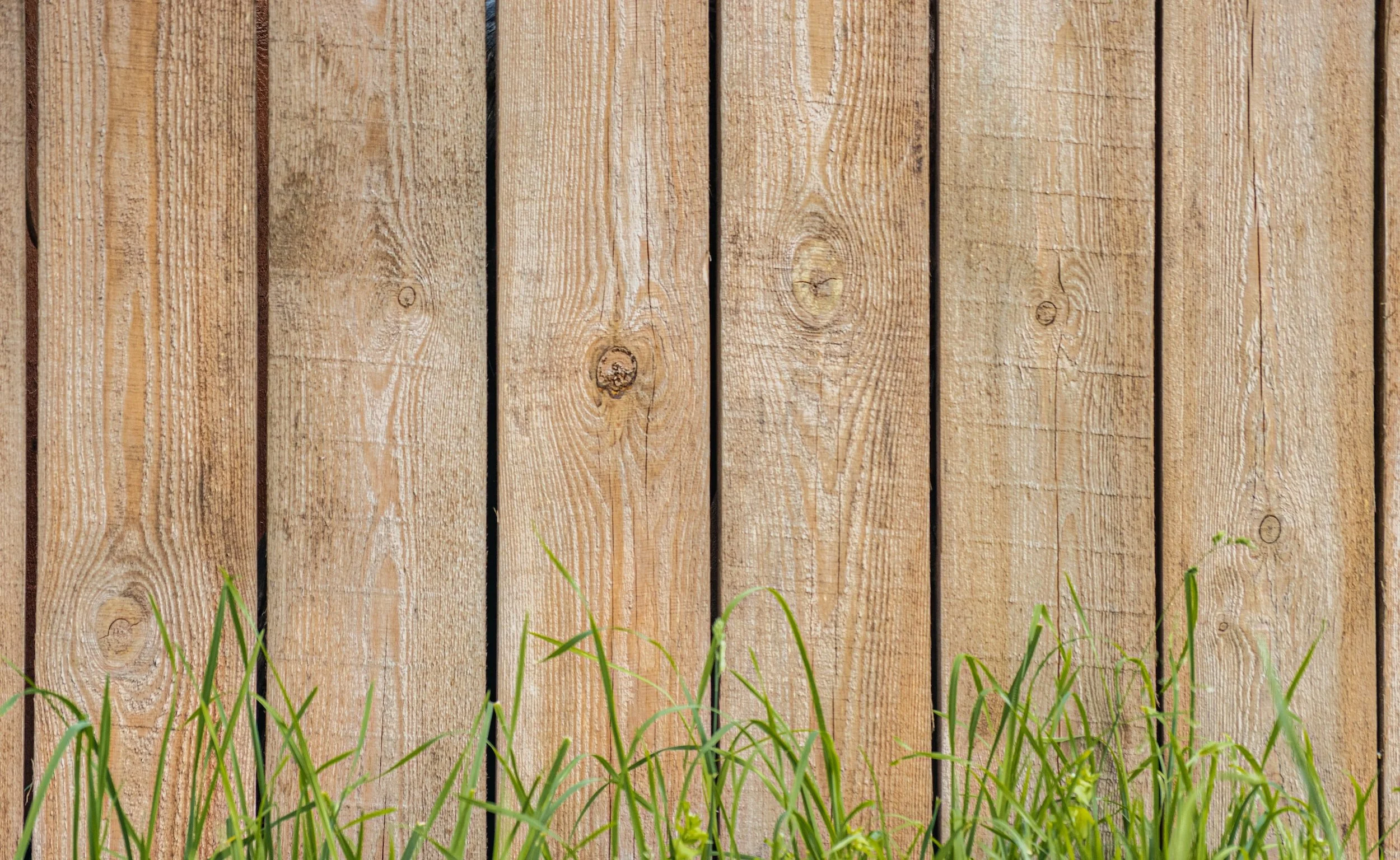
However, to keep it standing strong and looking sharp, consistent maintenance is essential—especially in Arizona’s hot, dry climate, where sunlight and temperature changes can take a toll on untreated wood.
A well-installed wood fence can last for decades, offering timeless beauty, privacy, and character to any property. However, to keep it standing strong and looking sharp, consistent maintenance is essential—especially in Arizona’s hot, dry climate, where sunlight and temperature changes can take a toll on untreated wood.
Professional wood fence care preserves the material’s natural beauty and extends its lifespan, saving property owners from costly repairs and premature replacement. Whether your fence surrounds a home, business, or ranch property, regular maintenance by experts keeps it durable, attractive, and ready to withstand desert conditions year-round.
Let’s explore key maintenance strategies that keep a wood fence in top condition and why hiring experienced professionals is the best long-term choice.
Start With Quality Wood
Every great fence begins with quality materials. Choosing durable, weather-resistant wood is the first step toward longevity. Cedar and redwood are two of the best options for Arizona properties because they naturally resist rot, insects, and warping. Pressure-treated pine is another dependable choice when properly sealed and maintained.
Professionals often recommend cedar for its strength and natural oils, which repel moisture and pests. Redwood offers a rich, distinctive tone that weathers beautifully with minimal shrinkage. While untreated pine may seem more affordable, it typically requires more frequent maintenance to avoid cracking and decay.
A fencing contractor can help you choose the right wood based on local climate exposure, property layout, and budget. Starting with the right material foundation means fewer repairs and greater structural integrity over time.
Keep the Surface Clean
Arizona’s dust, pollen, and windblown debris can quickly dull the appearance of wood fencing. Routine cleaning removes buildup and prevents mold, mildew, and rot.
Professionals recommend rinsing the fence with a garden hose or light-pressure wash two to three times a year. Begin at the bottom and work upward to remove dirt evenly. For deeper cleaning, apply a wood-safe cleanser with a soft brush, let it sit for 15 to 20 minutes, and rinse thoroughly.
Avoid harsh chemicals that strip the natural oils from wood fibers. Instead, use gentle solutions made for exterior wood surfaces. Regular cleaning not only refreshes appearance but also allows professionals to spot small cracks or loose boards before they become costly problems.
Apply a Protective Finish
One of the most critical steps in wood fence maintenance is applying a sealant or stain. Arizona’s intense UV rays and heat can cause fading, warping, and cracking if the wood remains unprotected.
A professional fence technician will choose a finish suited to the wood species and exposure level. Transparent sealers preserve the natural grain, while tinted stains add color and UV protection. Both options protect against moisture, insects, and temperature swings.
In Arizona, reapplication every two to three years is ideal. Fences that receive direct sunlight or frequent sprinkler exposure may need touch-ups sooner. Applying a high-quality sealant helps the wood maintain its strength and natural tone, even under the harsh desert sun.
Inspect Regularly and Repair Promptly
Even the strongest wood fence requires regular inspections. Over time, weather, shifting soil, and normal wear can cause damage.
Walk the perimeter every few months to check for loose nails, warped boards, or cracked rails. Minor issues—like split planks or wobbly posts—can escalate quickly if ignored. Fill minor cracks with waterproof glue, replace broken boards, and tighten any loose screws or brackets.
A professional fence maintenance company can perform a full inspection, identifying subtle weaknesses you might miss. They also use industrial-grade materials and techniques to ensure each repair blends seamlessly with the existing structure. Prompt attention prevents structural problems and keeps your fence stable for years to come.
Protect Against Moisture and Weather
In Arizona, dry conditions may seem harmless, but sudden rain, irrigation overspray, or monsoon storms can cause severe moisture damage. When water seeps into unsealed wood, it expands and contracts, eventually cracking the wood.
Professionals recommend ensuring proper drainage along the fence line. Soil should slope slightly away from posts to prevent pooling. Sprinklers should be adjusted to avoid constant contact with wood. Installing post caps adds another layer of protection by keeping rainwater from seeping into the top of posts.
A sealed and properly drained fence resists both moisture and sun damage, remaining straight and solid through every season.
Keep Vegetation Trimmed
Plants and vines may look charming along a fence line, but they can trap moisture against the wood, promoting decay.
Landscaping experts and fencing professionals recommend trimming back bushes, trees, and ground cover by several inches from the fence. Keeping air circulating in the structure allows it to dry faster after rain or irrigation.
Vines such as ivy can cling to wood, weakening its surface and accelerating rot. Removing overgrowth and maintaining clear space prevents structural deterioration and discourages pest activity.
Watch for Signs of Pests
Arizona’s dry heat doesn’t deter all pests—termites and carpenter ants remain a serious concern. These insects burrow into wood, hollowing it from the inside out.
During maintenance visits, professionals check for small holes, frass (fine wood dust), or soft spots that indicate infestation. Preventive treatments, such as applying insect-repellent preservatives or using pressure-treated lumber, provide strong protection.
If you suspect pest activity, contact a licensed pest control company experienced with wood fencing. Addressing issues early prevents expensive replacements and preserves your investment.
Avoid Excess Weight and Impact
Even the sturdiest wood fence has limits. Hanging heavy planters, decorations, or storage hooks on panels can cause sagging and stress fractures over time.
For decorative touches, choose lightweight materials or mount features on posts rather than panels. When mowing or edging near the fence, keep lawn equipment at a safe distance to avoid accidental dents or scratches.
Professional maintenance crews can repair surface damage quickly, but prevention saves time and money. Treat your fence as a functional structure, not a storage solution, to maintain its alignment and strength.
Prevent Rot and Decay
Rot begins when moisture and bacteria break down unprotected wood fibers. Even in Arizona’s dry environment, fences near lawns, gardens, or sprinklers are constantly exposed to moisture.
Watch for discoloration, softness, or a musty smell—signs that decay has started. Replace compromised boards immediately and reseal surrounding areas to prevent spread.
Professionals often install gravel or stone bases along fence lines to improve drainage and prevent soil from holding water against the wood. Combining good landscaping practices with regular sealing offers a strong defense against rot.
Maintain Hardware and Fasteners
Hardware keeps your fence connected and secure. Over time, screws, nails, and brackets can loosen or rust, compromising structural stability.
Inspect hinges, latches, and fasteners regularly. Replace corroded metal components with galvanized or stainless steel to prevent rust streaks and ensure long-term strength. A fencing professional can assess whether the hardware needs reinforcement or upgrading to improve durability in desert conditions.
Keeping hardware in top shape maintains both appearance and functionality, preventing unnecessary wear on the wood itself.
Consider Professional Cleaning and Maintenance Services
While homeowners can handle basic upkeep, professional wood fence maintenance provides deeper protection. Experts use specialized cleaning agents, pressure settings, and sealing products formulated for Arizona weather.
They also evaluate structural stability, adjust gates, and inspect fence posts below ground level—areas often overlooked in DIY efforts. Professional maintenance not only saves time but also ensures that your fence meets warranty standards and performs reliably year after year.
Regular service visits are particularly valuable for commercial properties, HOAs, and estates where visual appeal and safety are priorities.
Schedule Maintenance Seasonally
Arizona’s climate shifts between scorching summers and mild winters. Scheduling professional fence maintenance in early spring or fall helps prepare for seasonal changes.
Spring maintenance removes winter grime and refreshes the finish before summer sun peaks. Fall maintenance repairs heat-related damage and reseals the surface before cooler weather. Establishing a regular schedule keeps your fence in consistent shape without last-minute repairs.
When to Replace Instead of Repair
Even with great care, every fence reaches a point where replacement is more cost-effective than constant repair.
Signs include extensive rot, warped posts, or widespread discoloration that sanding and sealing can’t fix. If more than 20 percent of the structure needs replacement, professionals usually recommend a full rebuild.
Modern installations use improved coatings, pressure-treated wood, and advanced fasteners that offer decades of reliability. A new fence also boosts curb appeal and property value.
Frequently Asked Questions
How often should I clean and reseal my wood fence in Arizona?
Professionals recommend cleaning your fence two to three times a year and resealing it every two to three years. Desert sun and occasional rain can accelerate finish deterioration, so schedule inspections regularly.
What type of wood lasts longest in Arizona’s dry climate?
Cedar and redwood perform best due to their natural oils and resistance to insects and warping. Pressure-treated pine is a durable, budget-friendly alternative.
Can I pressure wash my wood fence?
Yes, but it should be done carefully. High-pressure settings can damage wood fibers. Professional technicians use controlled pressure and wood-safe cleansers for best results.
What signs indicate my wood fence needs repair?
Look for leaning posts, loose boards, peeling stains, or soft spots. Addressing issues promptly prevents more extensive structural damage.
Does Arizona’s heat affect fence longevity?
Absolutely. UV rays and dry air cause cracking and fading over time. Proper sealing and maintenance minimize damage from sun exposure.
How can I prevent termites in my fence?
Use pressure-treated wood, keep vegetation trimmed, and apply wood preservatives. Professional pest control treatments add long-term protection.
Will regular maintenance really extend my fence’s life?
Yes. Routine cleaning, sealing, and inspection can double or even triple the lifespan of a wood fence compared to one left untreated.
Can I add stain color without losing wood texture?
Semi-transparent stains allow the grain to show through while providing UV and moisture protection—a favorite among Arizona property owners.
Should I hire professionals or maintain the fence myself?
Professionals deliver superior results by using high-grade products and tools. They also spot structural or pest issues early, saving homeowners from expensive future repairs.
Do local contractors offer customized maintenance plans?
Yes. Many Arizona fence companies offer annual or semi-annual service plans that include inspections, cleaning, sealing, and minor repairs.
