
Aesthetic Commercial Fencing: How the Right Fence Improves Brand Image Without Sacrificing Security
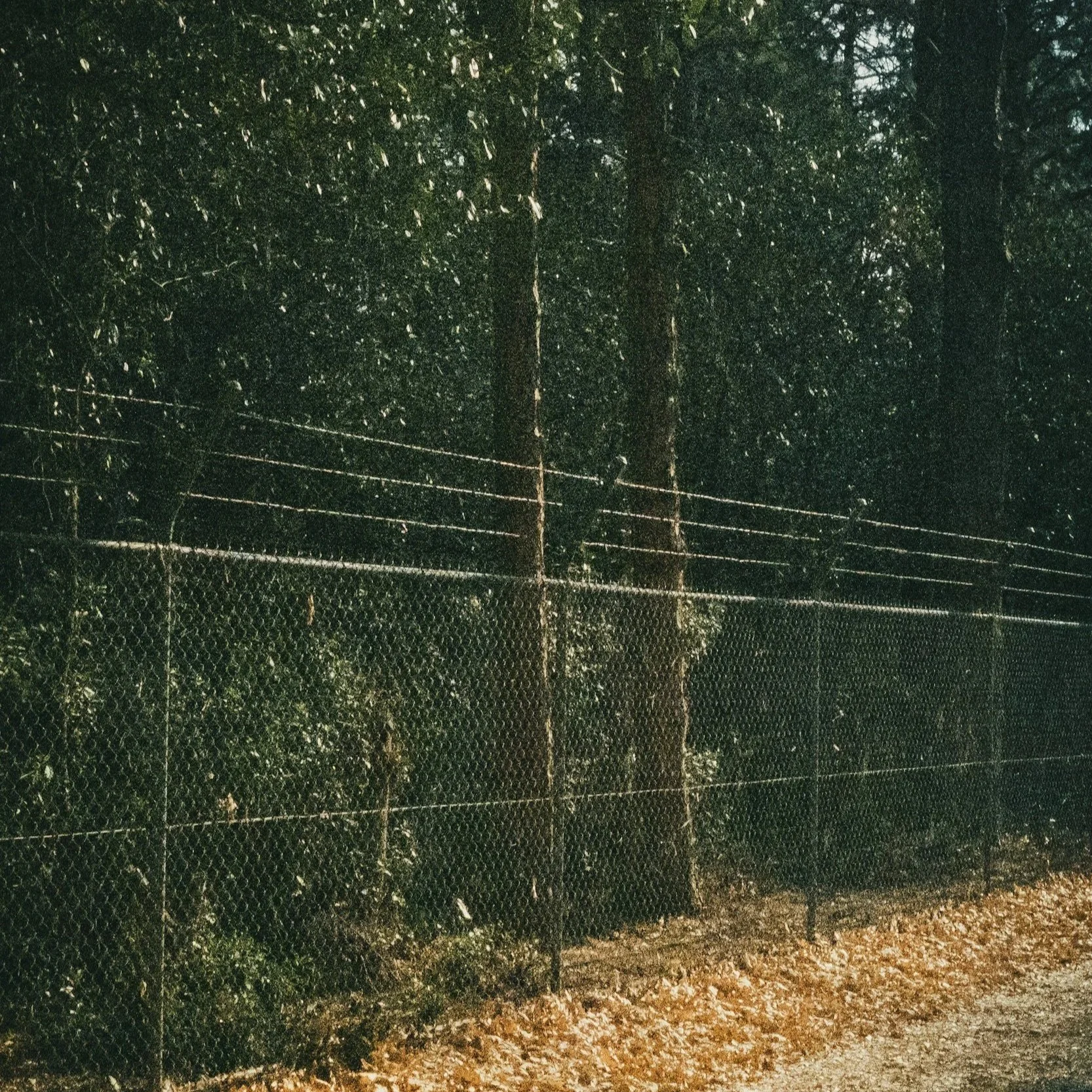
When fencing looks neglected, outdated, or overly aggressive, it can quietly undermine brand image even if operations inside run smoothly.
Commercial fencing shapes how people perceive a business long before they interact with staff, products, or services. Customers notice fencing as they enter a property. Tenants associate fencing quality with management standards. Employees interpret fencing as a signal of safety and professionalism. When fencing looks neglected, outdated, or overly aggressive, it can quietly undermine brand image even if operations inside run smoothly. At the same time, businesses cannot afford to compromise security for appearance. The challenge lies in selecting fencing that enhances visual appeal while still delivering strong protection.
Modern commercial fencing no longer forces a choice between looks and function. With thoughtful design, proper material selection, and professional installation, fencing can reinforce brand identity, support security goals, and improve overall property experience. For businesses operating in competitive markets like Phoenix, AZ, aesthetic fencing becomes part of a broader branding and risk management strategy rather than a decorative afterthought.
Why Fencing Plays A Role In Brand Perception
Brand image extends beyond logos, signage, and marketing materials. Physical environments communicate values just as clearly. A clean, well-designed fence suggests organization, attention to detail, and long-term investment. A poorly chosen fence signals cost-cutting, neglect, or indifference, even when that impression is unintended.
Commercial properties often serve as shared spaces for customers, vendors, and employees. Fencing frames those interactions by defining boundaries and guiding movement. When fencing aligns with architectural style and property purpose, it reinforces cohesion rather than creating visual friction. Businesses that invest in cohesive exterior design create trust before a single word is spoken.
In high-visibility areas, fencing becomes a constant brand ambassador. Retail centers, office campuses, medical facilities, and mixed-use developments benefit significantly from fencing that looks intentional rather than purely utilitarian. Aesthetic fencing elevates the entire property while still supporting safety and access control.
Balancing Visual Appeal With Real Security Needs
Security remains a non-negotiable requirement for commercial properties. Inventory, equipment, staff, and customers all depend on controlled access and physical protection. The misconception that attractive fencing equals weaker fencing often leads businesses to choose overly industrial solutions that clash with their brand.
In reality, security effectiveness depends on design, material strength, height, and installation quality rather than harsh appearance. Decorative metal fencing can provide strong deterrence while maintaining open sightlines. Reinforced aluminum or steel systems resist cutting and bending while presenting a refined look. Privacy fencing can shield sensitive areas without projecting hostility toward customers.
Professional fence planning evaluates threat level and exposure honestly. High-risk zones such as loading docks and storage yards may require more robust solutions, while public-facing areas benefit from designs that emphasize openness and professionalism. Combining fencing styles across a property allows security where it is needed most without compromising overall aesthetics.
Material Choices That Support Both Style And Strength
Material selection plays a critical role in balancing aesthetics and security. Chain link fencing, while durable, often conveys an industrial tone that does not align with many commercial brands. However, when paired with vinyl coatings or decorative framing, chain link becomes more visually acceptable in appropriate zones.
Ornamental iron and steel fencing deliver strong security while offering timeless design. Powder-coated finishes protect against corrosion and allow customization that complements architectural features. Picket spacing and height create controlled access without blocking visibility, which supports both safety and approachability.
Aluminum fencing offers a similar visual appeal with reduced maintenance demands. Commercial-grade aluminum resists corrosion and maintains finish integrity under sun exposure. For properties prioritizing clean lines and modern design, aluminum fencing integrates seamlessly without sacrificing durability.
Vinyl and composite fencing work well for privacy-focused applications. When professionally installed with reinforced posts, these materials provide full visual screening and controlled access in employee areas or service zones. Proper selection avoids the flimsy appearance associated with residential-grade products.
How Fence Design Influences Customer Experience
Customer experience begins in the parking lot, not at the front desk. Confusing layouts, harsh barriers, or cluttered service areas create friction before customers even enter a building. Aesthetic fencing helps organize space in a way that feels intuitive rather than restrictive.
Low-profile fencing guides traffic flow without overwhelming visitors. Decorative fencing near walkways and entrances provides subtle separation that improves safety while maintaining openness. Privacy fencing shields dumpsters, loading docks, and mechanical areas, preventing negative impressions that distract from the core business.
Retail and hospitality environments benefit especially from fencing that supports wayfinding. Clear boundaries reduce confusion and encourage natural movement patterns. Customers feel more comfortable when spaces appear organized and intentionally designed.
Tenant And Employee Perception Matters Too
Aesthetic fencing influences how tenants and employees feel about a property. For office parks and multifamily communities, fencing signals management priorities. Well-maintained, visually appealing fencing suggests that the property receives regular attention and care.
Employees interpret fencing as part of workplace culture. Secure yet welcoming fencing supports a sense of safety without feeling oppressive. Break areas and staff entrances benefit from privacy fencing that creates respectful separation from public view.
For properties competing for tenants, exterior appearance affects leasing decisions. Aesthetic fencing contributes to curb appeal and helps differentiate a property in crowded markets. Over time, that differentiation supports occupancy and retention.
Security Through Visibility Rather Than Intimidation
Effective security does not rely solely on barriers that appear aggressive. Visibility often plays a greater role in deterrence. Open-style fencing allows staff, cameras, and passersby to observe activity, reducing opportunities for unauthorized behavior.
Decorative metal fencing excels in this role. Clear sightlines discourage intrusion while preserving a welcoming appearance. When paired with lighting and surveillance, fencing supports layered security without projecting hostility.
Even privacy fencing can be designed strategically. Solid panels placed only where necessary reduce exposure without enclosing entire properties unnecessarily. Professional design balances openness and concealment based on risk rather than habit.
Customization And Branding Opportunities
Commercial fencing offers opportunities for subtle branding integration. Custom colors, finials, panel designs, and gate styles allow fencing to reflect brand identity without appearing promotional. These details reinforce consistency across signage, buildings, and landscapes.
Custom fencing also adapts to unique site conditions. Sloped terrain, irregular boundaries, and mixed-use zones benefit from tailored solutions rather than standard panels. Custom design avoids awkward transitions that detract from appearance and functionality.
Professional contractors help businesses explore customization options that support both brand and security goals. Thoughtful customization enhances value without introducing unnecessary complexity.
Maintenance As Part Of Aesthetic Performance
Appearance and performance remain linked over time. Even the most attractive fencing loses impact if coatings fade, panels lean, or hardware rusts. Maintenance plays a direct role in preserving both aesthetics and security.
Commercial-grade finishes resist fading and corrosion longer, but they still require periodic inspection. Cleaning removes dust buildup that dulls surfaces and accelerates wear. Tightening hardware prevents sagging and misalignment that affect appearance and function.
Professional maintenance plans protect investment by addressing small issues before they become visible problems. Consistent upkeep maintains brand image and reduces long-term repair costs.
Adapting Aesthetic Fencing To Phoenix Conditions
In Phoenix, AZ, aesthetic fencing must withstand intense sun, heat, and dust without rapid degradation. Material selection and finishing become especially important in this environment.
Powder-coated metals perform well when coatings are applied at commercial thickness levels. Lighter colors reflect heat more effectively, reducing surface temperature and finish breakdown. Aluminum fencing resists corrosion and maintains appearance under prolonged sun exposure.
Vinyl fencing requires UV-stabilized materials to prevent fading and brittleness. Proper post reinforcement ensures stability during monsoon winds. Professional installation tailored to desert conditions prevents premature failure that undermines both appearance and security.
Zoning, Codes, And Visual Standards
Commercial fencing aesthetics often intersect with zoning and design guidelines. Some areas require decorative fencing along street frontages or limit industrial appearances near public spaces. Noncompliance risks costly revisions and delays.
Professional fence planning accounts for local requirements while still achieving brand goals. Understanding allowable heights, materials, and setbacks prevents conflicts between design intent and regulatory expectations.
Compliance also supports long-term property value. Properties free from violations avoid enforcement issues that distract from operations and branding efforts.
Long-Term Value Of Investing In Aesthetic Fencing
Aesthetic commercial fencing delivers returns beyond initial appearance. Improved curb appeal attracts customers and tenants. Enhanced security reduces loss and liability. Durable materials lower maintenance and replacement costs over time.
Properties with cohesive exterior design experience smoother operations and a stronger reputation. Fencing that aligns with brand identity supports marketing efforts without direct advertising. Over time, that consistency builds trust and recognition.
Investing in aesthetic fencing represents a strategic decision rather than a cosmetic upgrade. When security and appearance work together, businesses gain both protection and positive perception.
Why Professional Design And Installation Matter
Achieving the balance between aesthetics and security requires expertise. Professional contractors assess risk, traffic flow, branding goals, and environmental factors before recommending solutions. Poorly planned fencing undermines both appearance and function.
Professional installation ensures proper alignment, reinforcement, and finishing. Attention to detail prevents issues that detract from visual impact and security performance. Experienced contractors also plan for future changes, allowing properties to adapt without full replacement.
Professional services transform fencing from a basic boundary into a functional design element that supports business goals.
Aesthetic Fencing As A Competitive Advantage
In crowded commercial markets, details matter. Aesthetic fencing differentiates properties subtly yet effectively. Customers remember environments that feel organized and welcoming. Tenants value properties that reflect professionalism and care.
Security remains essential, but it does not need to dominate the visual landscape. With thoughtful design, fencing supports safety quietly while enhancing brand image consistently.
For businesses in Phoenix, AZ, aesthetic commercial fencing represents a smart investment in both perception and protection.
Aesthetic Commercial Fencing FAQs
Can decorative fencing still provide strong security?
Yes. Commercial-grade decorative metal and aluminum fencing provide durability and deterrence while maintaining open sightlines and a professional appearance.
What fencing materials balance appearance and low maintenance?
Powder-coated aluminum and steel offer strong visual appeal with minimal maintenance when professionally installed.
Is aesthetic fencing suitable for high-traffic commercial properties?
Yes. When designed for traffic patterns and impact risk, aesthetic fencing performs reliably in busy environments.
How does fencing affect customer perception?
Clean, intentional fencing improves curb appeal, reduces confusion, and signals professionalism before customers enter a building.
Does Phoenix weather limit aesthetic fencing options?
No. With proper material selection and finishes, aesthetic fencing performs well in Phoenix's heat, dust, and monsoon conditions.
Sereno Custom Fence & Gates offers a complete, one-stop solution for professional commercial fences in the Phoenix area, including heat-resistant fences, durable perimeter fencing, and custom commercial fence installations. Our experienced team designs and installs high-quality fences with a focus on strength, durability, and long-term performance. Whether you need a new commercial fence or upgrades to an existing one, we provide competitive pricing and trusted results. Contact us today and secure your property with reliable, high-quality commercial fencing.
