
Understanding the Value of Fencing for a School
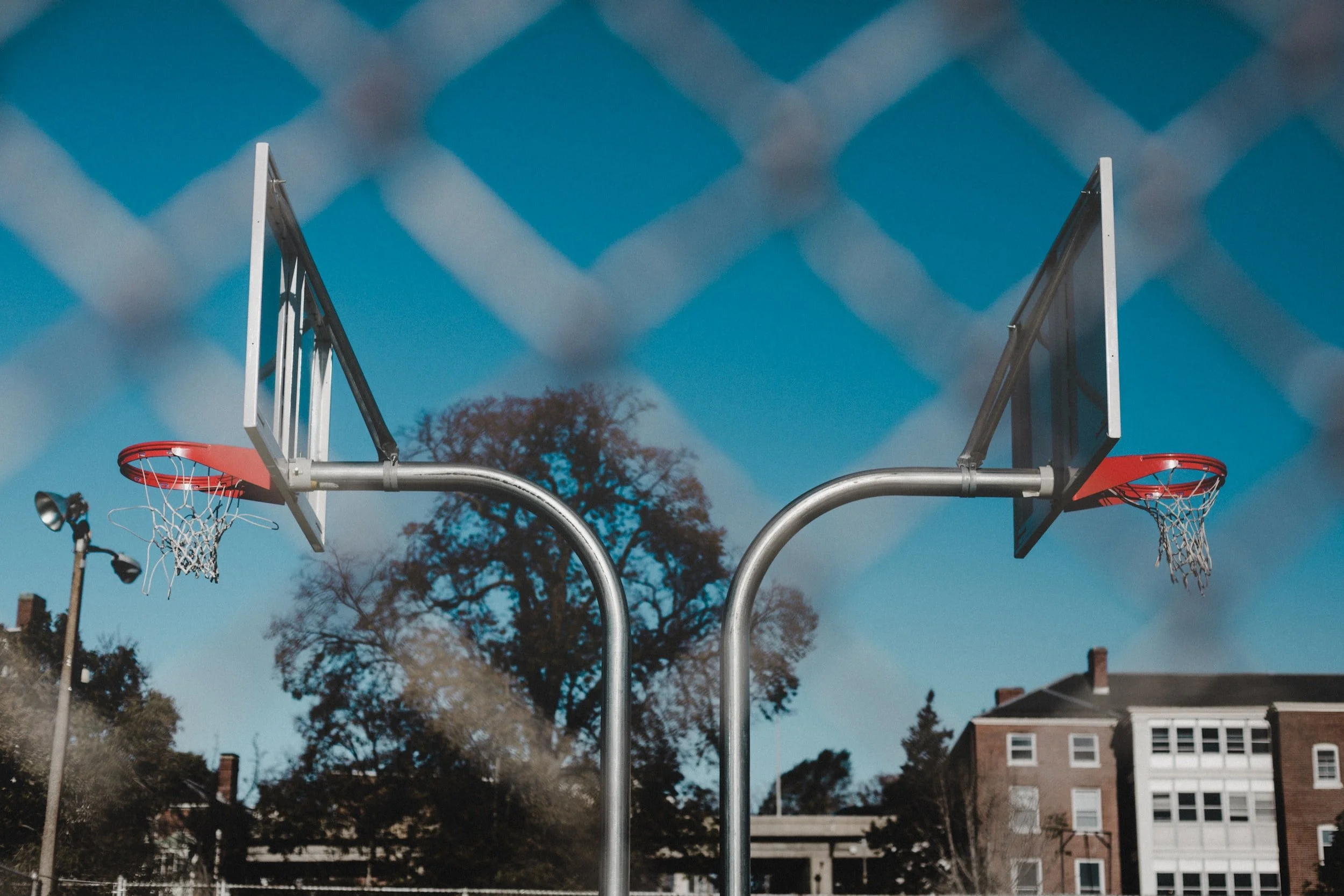
For schools in Phoenix and across Arizona, fencing plays a crucial role in preventing trespassing, improving supervision, and creating an environment where students and staff feel secure.
Installing reliable school fencing is one of the most effective ways to enhance safety, define property boundaries, and maintain order on educational grounds. For schools in Phoenix and across Arizona, fencing plays a crucial role in preventing trespassing, improving supervision, and creating an environment where students and staff feel secure.
While some may think fences make schools look confined, modern professional fencing systems balance security with aesthetics. When designed and installed properly, a fence can be as visually pleasing as it is protective.
Fences Provide Security and Controlled Access
Every Phoenix school must manage who enters and exits its grounds. While cameras and security staff are essential, they work best when supported by a well-designed perimeter fence. A properly installed fence defines access points, allowing for gate control systems that help school administrators manage foot and vehicle traffic more effectively.
Professional fencing companies often recommend welded mesh or anti-climb steel fences for Arizona schools. These materials are strong, durable, and maintain visibility without compromising safety. Chain link fencing with vinyl coating is another local favorite—it resists rust from the dry heat and occasional monsoon humidity.
Establishing secure boundaries also helps meet local safety codes and district facility standards. With the right fence, schools can better manage visitors, contractors, and late arrivals while keeping students safely inside the premises.
Fences Discourage Truancy and Enhance Supervision
Even in the most well-run schools, some students may try to leave campus during the day. Fencing makes this much more difficult. A strong perimeter discourages students from wandering off and reduces the risk of harm from busy nearby roads or unknown individuals.
For schools in Phoenix with open layouts or multiple access points, fencing also helps staff monitor movement more efficiently. By creating structured boundaries and designated exits, the school can manage attendance and ensure accountability throughout the day.
Visibility is key. Government guidelines, such as those from RoSPA and Secure by Design in the UK, recommend fences that allow line-of-sight surveillance—a principle that applies equally in Arizona’s school environments. Open designs, such as vertical bar or mesh fencing, allow supervision without obstructing views of playgrounds or athletic areas.
Fences Deter Vandalism and Theft
Vandalism remains a common concern for schools, especially in urban or suburban areas where after-hours access can be hard to control. Installing fencing with anti-climb features and lockable gates significantly reduces these risks.
A professional installer can recommend fencing heights of 1.8 to 2.4 meters (roughly 6–8 feet), depending on the area’s security needs. For Phoenix schools, anti-climb welded mesh and smooth-top railings are excellent deterrents that don’t create a “fortress” appearance.
Fencing also allows administrators to secure valuable outdoor assets, such as sports equipment, HVAC units, playgrounds, and storage areas. It provides a clear physical boundary that discourages trespassers from targeting vulnerable spots on the property.
Fences Improve Surveillance and Emergency Response
Good fencing design doesn’t just keep people out—it makes it easier to monitor what’s happening within school grounds.
For example, schools equipped with security cameras benefit from fences that provide unobstructed views. A chain-link or welded-mesh fence allows human supervisors and camera systems to cover wide areas effectively. This integration enhances real-time incident response, whether it’s a lost student, a suspicious visitor, or property damage.
In Phoenix, where sunlight can be intense and shadows harsh, choosing materials that don’t reflect glare helps cameras perform more reliably. Many modern coatings also minimize UV reflection, improving visual clarity during daylight hours.
Fences Enhance School Aesthetics and Community Appeal
While security and safety are top priorities, appearance matters too. A fence is often one of the first things visitors and parents notice when entering a campus. Professionally installed fencing can elevate curb appeal while maintaining safety standards.
Wood-toned metal fencing, powder-coated finishes, and color-matched gates complement the architecture of many Arizona schools. Strategic landscaping—such as planting drought-tolerant shrubs along the fence line—can soften the appearance while reinforcing security.
With modern materials and custom designs, fences can project a sense of welcome and organization rather than confinement. When aesthetics and safety align, students, staff, and families all feel more confident in their environment.
Fences Define Boundaries and Protect Outdoor Assets
Fencing provides a simple, effective way to mark the boundaries of school property. It helps manage landscaping, reduces unauthorized foot traffic, and minimizes liability concerns.
It’s also essential for safeguarding outdoor areas such as playgrounds, sports fields, parking lots, and courtyards. Many Phoenix schools use different fence styles to separate public areas (such as front entrances) from restricted areas (such as staff parking or maintenance yards).
Designating boundaries with the right fence system helps administrators maintain order, prevent confusion, and reinforce accountability for safety.
Fencing Standards and Local Considerations in Phoenix
Every school fencing project should begin with a site assessment and consultation with a qualified fencing contractor familiar with Arizona conditions. Phoenix’s desert climate poses unique challenges—materials must withstand high temperatures, UV radiation, and dust storms.
Professional installers typically recommend:
Galvanized or vinyl-coated steel for rust resistance.
UV-resistant finishes to prevent fading and cracking.
Anti-climb mesh or vertical rail designs that comply with safety regulations.
Secure gates with access control for authorized entry.
While Arizona does not have a dedicated statewide school fencing regulation, local municipalities and school districts often require adherence to national safety standards and building codes. Consulting with a licensed Phoenix fencing company ensures compliance and documentation for inspections.
Working with Professional School Fencing Contractors
Choosing the right contractor is as important as selecting the right materials. Professional fencing companies bring design expertise, familiarity with codes, and precise installation methods that extend the lifespan of your fence.
A qualified contractor will:
Assess your school’s security needs through a detailed site survey.
Recommend fence heights, materials, and finishes suited to Phoenix conditions.
Ensure compliance with safety regulations and accessibility standards.
Handle permitting and coordinate with district facility managers.
Unlike DIY solutions, professional installations guarantee structural integrity, even alignment, and long-term durability—critical factors for busy educational environments.
Partnering with experienced Phoenix fencing professionals ensures that your school’s investment is both functional and future-proof.
The Long-Term Value of School Fencing
Installing fencing around schools is an investment in peace of mind. It supports safety protocols, enhances visual appeal, and improves day-to-day operations.
Beyond security, fences also contribute to positive student behavior and community perception. When parents see a well-maintained, thoughtfully designed fence, it communicates that safety and care are top priorities.
Moreover, durable materials like galvanized steel or anti-climb welded mesh can last decades, providing significant value for the cost. For schools operating under tight budgets, long-term reliability translates to fewer repairs, reduced liability, and stronger public trust.
Frequently Asked Questions
What is the best type of fencing for schools in Phoenix?
Welded mesh and chain link fencing with vinyl coating are popular for their visibility, durability, and low maintenance. Anti-climb vertical rail fencing is also ideal for high-security areas.
How tall should school fences be?
Most professional installers recommend fences between 6 and 8 feet high for perimeter protection, depending on location and local codes.
Do schools in Arizona need special permits to install fencing?
Yes. Depending on fence height and placement, Phoenix city regulations may require permits. Licensed contractors can manage this process and ensure compliance.
Can school fences be both secure and attractive?
Absolutely. Modern materials allow for durable, safe fences that complement school architecture. Powder-coated finishes and custom colors enhance aesthetics.
How often should school fences be inspected?
Annual inspections are ideal, with additional checks after monsoon storms or significant weather events to assess for corrosion or damage.
What materials last longest in Arizona’s desert heat?
Galvanized or vinyl-coated steel performs best under high heat, resisting rust and fading far better than untreated metal or wood.
Are privacy fences suitable for schools?
Generally, schools use semi-open designs, such as mesh or vertical bars, to maintain visibility for safety rather than full privacy fencing.
Can fencing help with crowd control during events?
Yes. Properly planned fencing layouts streamline traffic during school events and emergencies by clearly marking entry and exit points.
How much does professional school fence installation cost in Phoenix?
Prices vary by material and size, but most school installations range from $25 to $45 per linear foot, including gates and professional labor.
Why should schools hire professionals instead of doing it themselves?
Professional installers ensure compliance with safety codes, use proper foundations, and provide warranties. DIY installations may fail inspections or degrade faster.
