
How to Choose the Right Gate for a Property
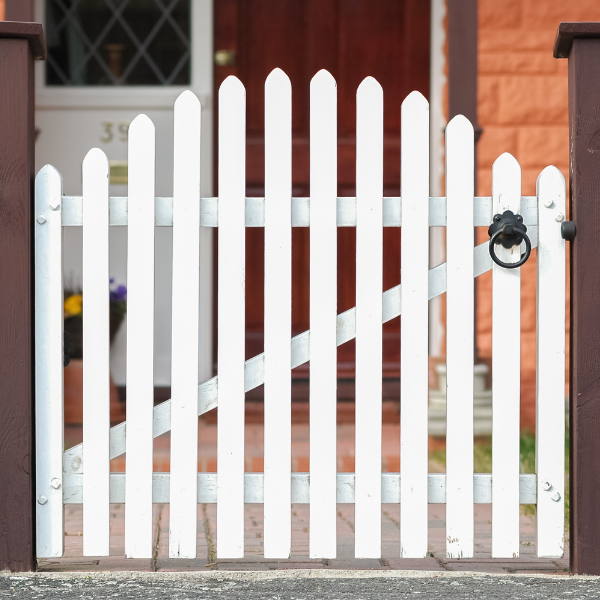
A professionally installed gate serves as both a functional barrier and a statement piece that complements the property’s architecture.
From securing a property and keeping pets safe to improving curb appeal and adding long-term value, choosing the right gate is an essential decision for any homeowner. A professionally installed gate serves as both a functional barrier and a statement piece that complements the property’s architecture. Selecting the right type, material, and design depends on the property’s location, layout, and usage. As an experienced fence and gate installation company, we help homeowners navigate these choices and select a gate that perfectly balances beauty, practicality, and durability.
Security
The gate is the most frequently accessed part of any fence, making it the property’s primary security vulnerability. Because it’s designed to open, it requires strategic design and strong construction to maintain protection. Our professional installers prioritize security by recommending high-strength materials like steel, cast iron, or aluminum for homes in high-traffic areas or neighborhoods where privacy is essential.
For properties on busy streets, solid metal gates offer superior resistance to intrusion. We often recommend pairing them with automated locks and access control systems such as intercoms, keypads, and RFID scanners. These systems not only strengthen security but also add convenience for residents.
A gate’s visibility can also affect its safety. Blending it with the surrounding fence can reduce attention from unwanted visitors. For rear or side gates, we often use uniform color schemes, consistent fence height, and concealed handles to make access less obvious. Every design decision—from the latch placement to the hinge type—affects the overall safety and performance of the installation.
Positioning and Design
The placement of a gate has both functional and aesthetic implications. A front gate, for example, can transform a property's look, creating a sense of elegance and privacy. When we design front gates, we focus on proportionality, symmetry, and visual balance with the home’s exterior. Custom designs, such as ornate scrollwork or laser-cut patterns, can turn a standard entryway into an architectural highlight.
Side and rear gates are usually installed for practicality rather than decoration. These gates often provide access to gardens, service areas, or patios. Our approach to designing them focuses on ease of use, low maintenance, and subtlety. These gates are typically simpler and smaller but still constructed from high-quality materials to withstand weather exposure and regular use.
The positioning of a gate also determines its opening mechanism. Swing gates are common for wider entrances with level ground, while sliding gates are better suited for driveways with limited space or slopes. Our professional team evaluates the site conditions—including surface grade, obstructions, and available clearance—before recommending the most effective system.
Materials and Maintenance
Material choice affects not only how the gate looks but how long it lasts. Each type has distinct advantages, and the right option depends on the local environment, property style, and maintenance preferences.
Metal gates, particularly steel and aluminum, are among the most durable options available. They resist corrosion, can be powder-coated for additional protection, and require minimal upkeep. Cast iron gates deliver classic elegance and exceptional strength, making them ideal for properties seeking a traditional look with heavy-duty performance.
Timber gates, while visually appealing and versatile, require more frequent maintenance. In dry or humid climates, untreated wood can warp, crack, or fade. We use high-quality treated timber for clients who prefer a natural aesthetic and apply weather-resistant finishes for longevity.
Vinyl and composite gates provide a modern alternative, combining low maintenance with lightweight durability. They resist rust, rot, and fading, making them ideal for properties that need a clean appearance without regular repainting.
As professionals, we always recommend choosing hinges, locks, and hardware made from stainless steel or galvanized metals to prevent rusting. Regular inspections, lubrication of moving parts, and periodic repainting can significantly extend the lifespan of any gate system.
Automation and Access Control
Automated gates have become a standard feature for modern properties. Automation adds convenience, safety, and sophistication to any entrance. Our technicians install electric motors that can open swing or sliding gates with a remote, keypad, or smartphone app.
For high-traffic entrances, automated systems prevent unnecessary manual handling and increase accessibility for all users. Integration with smart home technology allows residents to control their gates from anywhere. Motion sensors, safety beams, and automatic closing functions also improve safety for families with children and pets.
When planning automation, we assess the site’s electrical access and weather conditions. Components are protected with waterproof casings, and backup power options are installed for uninterrupted operation during outages. Our installation team ensures that all systems meet safety standards and comply with local electrical codes.
Number of Gates and Accessibility
Determining how many gates a property needs depends on its size, layout, and purpose. Many homes benefit from a combination of gates for different uses: one for vehicles, one for pedestrians, and another for service access.
We begin every project by evaluating the property’s perimeter, daily traffic, and accessibility needs. A driveway gate may need to be wider to accommodate large vehicles or trailers, while a garden gate might prioritize ease of use over width. For properties with multiple access points, having multiple gates improves traffic flow and safety.
Homeowners who plan future outdoor improvements—such as adding a pool, workshop, or extended patio—should consider installing additional gates during the initial project. This proactive approach saves time and reduces future installation costs.
Budgeting and Local Considerations
Every professional installation project should start with a clear understanding of the budget and local regulations. Gate installation costs can vary, depending on size, material, automation, and custom design elements. Our team provides transparent estimates that include all materials, labor, and optional automation.
In regions with extreme temperatures, humidity, or dust, we select materials and finishes that perform well in local conditions. For example, powder-coated metals are ideal for areas with harsh sun exposure, while galvanized steel performs best in humid or coastal zones.
Local building regulations often set restrictions on gate height, placement, and distance from public walkways. As licensed professionals, we handle the permitting process to ensure compliance with all regional safety and zoning standards. Homeowners can rely on our expertise to avoid costly violations and project delays.
Aesthetic Harmony and Curb Appeal
A gate should complement a property’s architecture rather than compete with it. We design installations that harmonize with fence lines, house façades, and landscape features. For contemporary homes, sleek aluminum or composite gates with clean lines provide a minimalist aesthetic. For traditional homes, wrought iron or wood gates add charm and timeless appeal.
Paint color, hardware selection, and decorative details all contribute to the gate’s overall visual impact. Our design consultations help clients choose finishes and accents that elevate curb appeal while maintaining durability. A thoughtfully designed gate can make a powerful first impression and increase a property’s resale value.
Sustainability and Environmental Impact
Environmentally conscious homeowners often seek materials and systems that reduce waste and energy use. We offer eco-friendly gate options made from recycled aluminum or sustainably sourced timber. Automated systems with energy-efficient motors consume minimal power, and solar-powered gate operators are available for clients seeking renewable energy solutions.
Reusing existing posts or foundations can also reduce material waste. Our installation process minimizes disturbance to landscaping and prioritizes sustainable construction methods. A durable, well-built gate not only lasts longer but also lessens the environmental impact of frequent replacements.
Why Hire a Professional Installation Company
Given the wide range of design, material, and technical considerations, hiring a professional service provider is the best decision a homeowner can make. Proper gate installation requires accurate measurements, level foundations, and expert alignment—all crucial for long-term performance and safety.
Our company provides comprehensive installation services, including design consultation, site assessment, material selection, fabrication, and post-installation maintenance. We handle electrical wiring, safety sensors, and access systems to ensure each gate operates smoothly and safely.
Unlike DIY installations, professional projects meet local code requirements and industry standards. We back our work with warranties and ongoing maintenance support, offering homeowners peace of mind that their investment is protected.
Frequently Asked Questions
What is the best gate material for long-term durability?
Powder-coated steel or aluminum gates offer exceptional durability and require minimal maintenance. They resist corrosion, handle harsh weather, and maintain their appearance for years.
How wide should a residential driveway gate be?
A standard single-lane driveway gate is typically between 10 and 12 feet wide, while double-lane or wider driveways may need 14 to 16 feet. The final size depends on vehicle type and turning radius.
Can existing gates be automated?
Yes, many manual gates can be upgraded with automation. Our team assesses the gate’s structure and space to determine compatibility with electric openers, sensors, and smart controls.
How often should a gate be serviced?
Most gates require annual inspections to check hinges, tracks, motors, and safety features. Gates in high-use or harsh environments may benefit from more frequent maintenance.
Do I need a permit to install a new gate?
Permit requirements vary by location. Our professionals manage all necessary applications and ensure the project complies with local building and zoning regulations.
What’s the difference between a swing and a sliding gate?
Swing gates open inward or outward on hinges and work best on flat driveways. Sliding gates move laterally along a track and are ideal for sloped or compact spaces.
Can I customize the design of my gate?
Absolutely. We specialize in custom designs tailored to fit the property’s architecture, incorporating decorative features, colors, and patterns to match the homeowner’s vision.
Will installing a gate increase property value?
Yes. Professionally installed gates improve both security and visual appeal, which enhances overall property value and desirability.
What is the average lifespan of a gate?
With proper materials and maintenance, metal gates can last over 25 years, while treated timber gates typically last 10 to 15 years.
How can I choose the best gate installer near me?
Look for licensed and insured professionals with a portfolio of completed projects, verified reviews, and a clear service warranty. Our team provides all of these, along with transparent pricing and dedicated customer support.
